Spreadsheet Data Grid
Turn any topic into a grid you can quiz yourself from.
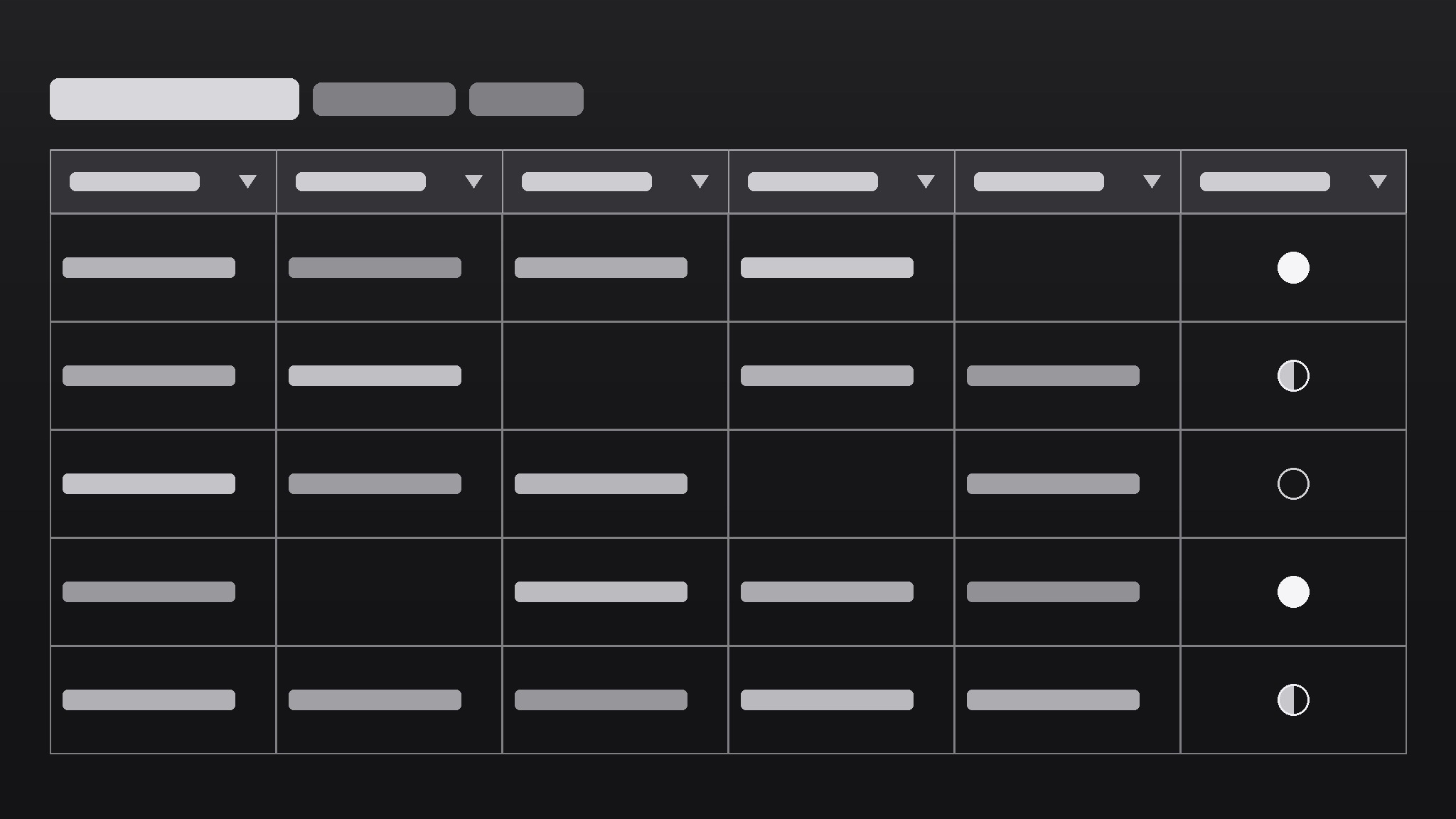
Turns your AI into a study-sheet designer that turns any topic into a spreadsheet data grid — one row per concept, one column per question you'd be asked — so studying becomes filling gaps, not re-reading notes.
Install it in 3 steps
No sign-up. No CLI tools. Pick your AI, copy one line, paste it over.
Prefer doing it yourself? Buy the skill ($4.99), download the ZIP from your checkout confirmation, unzip it into the directory shown above, restart your AI session — same result. Already bought it? Your AI assistant can download it for you.
What’s inside
One SKILL.md (the playbook) + one starter template. A preview:
Spreadsheet Data Grid
When to use
- You're studying for an exam and your notes are long paragraphs you keep re-reading without retaining them
- You need to compare many similar concepts (drugs, cases, formulas, verb forms) side by side
- You study with a partner and want a sheet you can quiz each other from
- You keep mixing up lookalike terms and need a column that forces the distinction
- You want a study tool that tracks what you know and what you keep getting wrong
Workflow
- List the rows (input: topic + syllabus → output: one row per concept, no duplicates)
Break the topic into its testable concepts: one row per term, case, formula, or mechanism. Aim for the granularity the exam uses — if the exam asks about each drug separately, each drug gets a row; if it asks about drug classes, classes get rows. Merge duplicates ruthlessly: two rows for the same concept is how a 60-row sheet quietly becomes 90 rows of mush. - Design the columns as exam questions (input: how the topic is tested → output: 4–6 columns, each one question type)
Each column is one question the exam could ask: Definition ("What is it?"), Mechanism/How ("How does it work?"), Example ("Give an example"), Distinction ("How does it differ from its lookalike?"), Pitfall ("What mistake do people make here?"), Self-test ("Can I recall it cold?"). Four to six columns; more and the grid becomes a wall of text nobody fills in. The Distinction column is the one most study sheets lack and most need. - Fill one row completely, then the rest (input: columns + source material → output: fully filled grid)
Fill the first row completely as the quality bar: each cell in your own words, one to three lines, no copied paragraphs. Then fill the rest to the same bar. Own words matter — copying the textbook into cells feels productive and retains nothing. Leave a cell blank rather than stuffing it with a vague sentence; a blank cell is a visible gap to close, a vague cell is a gap pretending to be filled. - Add the self-test layer (input: filled grid → output: confidence column + filter views)
Add a Self-test column with three values: Know / Shaky / Blank. Fill it honestly after attempting recall from memory, not while looking at the row. Then use filters: study the Shaky + Blank rows first, hide the Know rows until review day. Re-test weekly: the column's movement over time is the only progress measure that matters.
Template preview
Spreadsheet Data Grid — Study Sheet Template
One topic per sheet. Fill this in before opening the textbook.
Topic
Topic: {e.g. Cardiovascular drugs — exam block 3} Exam date: {date} Source material: {textbook chapters / lecture slides / syllabus} Granularity rule: {e.g. "one row per drug, not per class — the exam asks per drug"}
Columns (4–6 — each one an exam question)
Grid (one row per concept)
Cell rules:
- Own words only — no copied paragraphs
- 1–3 lines per cell
- Blank beats vague: leave it blank rather than padding it