Row Focus Cards
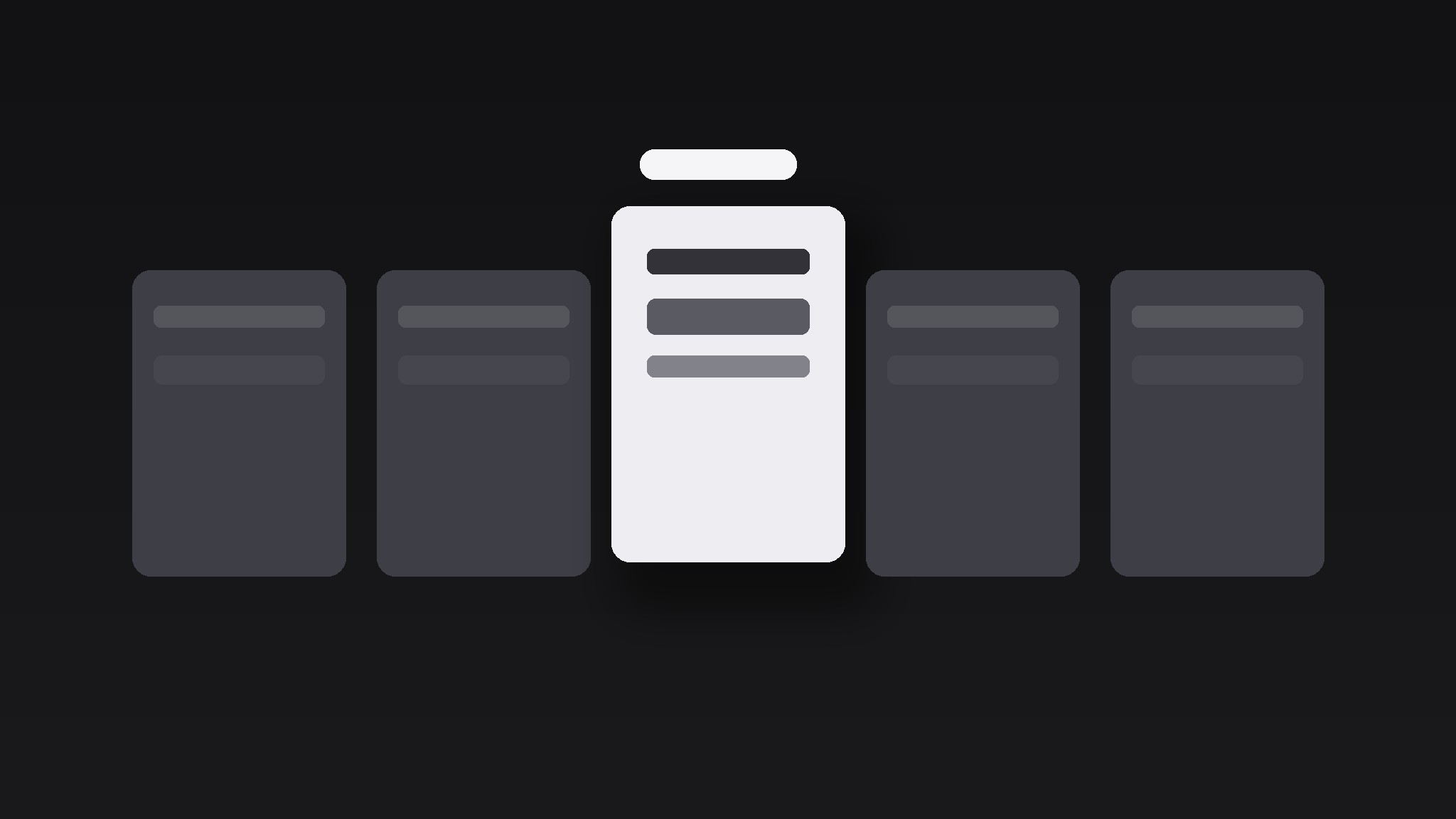
One card steps forward while the row steps back
Turns your AI into a motion-graphics director for the row-focus-cards pattern — lines up a row of cards, then lifts one card forward, larger and brighter, while its neighbours sink back and dim, so a comparison resolves into one clear pick.
Install it in 3 steps
No sign-up. No CLI tools. Pick your AI, copy one line, paste it over.
Prefer doing it yourself? Buy the skill ($4.99), download the ZIP from your checkout confirmation, unzip it into the directory shown above, restart your AI session — same result. Already bought it? Your AI assistant can download it for you.
What’s inside
One SKILL.md (the playbook) + one starter template. A preview:
Row Focus Cards
When to use
- A pricing video lines up three plans and needs to land on the recommended one
- A comparison shows five tools and the verdict is one card
- A portfolio row presents four projects and one is the case study for today
- A feature tour shows a row of modules and the next lesson covers exactly one
- A shortlist video lists candidates and eliminates down to a single winner
Workflow
- Build the row (input: card contents → output: even row of cards)
Lay 3–5 cards in a single horizontal row, equal size, equal gaps (gap = ~8% of card width). Each card gets the same anatomy: a small top label, one hero line (≤5 words), and one supporting line (≤8 words). Identical anatomy is non-negotiable — if one card has a badge, a star, or an extra line, the row reads as rigged before the animation starts. Keep the row vertically centred with 15% headroom above and below for the lift. - Set the neutral frame (input: row → output: establishing shot)
Hold the even row for 0.8–1s. Every card at 100% scale, full brightness, no card favoured. This neutral beat is what makes the focus honest: the audience sees a fair lineup, so when one card wins it feels earned. Skipping the neutral beat makes the video feel like an ad that already decided. - Lift the chosen card (input: neutral row → output: focus animation)
Animate over 0.9–1.2s: the chosen card scales to 108–112% and rises by ~6% of frame height (translateY up), ease-out with a slight overshoot (scale peaks at ~114% at 70% through, settles to 110%). Simultaneously, the unchosen cards scale down to 94–96%, drop 2% down, and dim to 55–65% brightness with a 0.4s ease-in. A soft drop shadow grows under the chosen card (blur 24px, opacity 25%) to sell the lift as physical. The chosen card must stay in its slot — it grows in place, it does not slide sideways. A card that slides reads as "reordering", not "winning". - Mark the verdict (input: focused row → output: verdict label)
Once the lift settles, add the verdict marker: a short label above or below the chosen card — "Our pick", "Best value", "Start here" (2 words ideal, 3 max) — fading in over 0.3s, plus an optional thin accent border (3px) drawing around the chosen card over 0.35s, ease-in-out. One marker only. A badge on the winner plus checkmarks on the losers is clutter; the dimming already says "not these".
Template preview
Row Focus Cards — Template
One fair row, one card that steps forward.
The row (3–5 cards, identical anatomy)
Layout: {horizontal row / vertical stack for 9:16} | Gap: ~8% of card width
The pick
Winning card #: {n} — Verdict label (≤3 words): {Our pick / Best value / Start here} Why it wins (one line, for the voiceover): {reason}
Animation (0.9–1.2s lift)
Hold: {2–3}s — dimmed cards stay readable (≥50% brightness).
Exit (pick one)
[ ] Reverse to neutral over 0.6s, ease-in-out, then continue [ ] Hard-cut from held frame into a deep-dive on the winner
Checklist
[ ] All cards same anatomy — no pre-badged winner


