Bill Fighter
Challenge overcharges and denied claims with evidence-backed letters
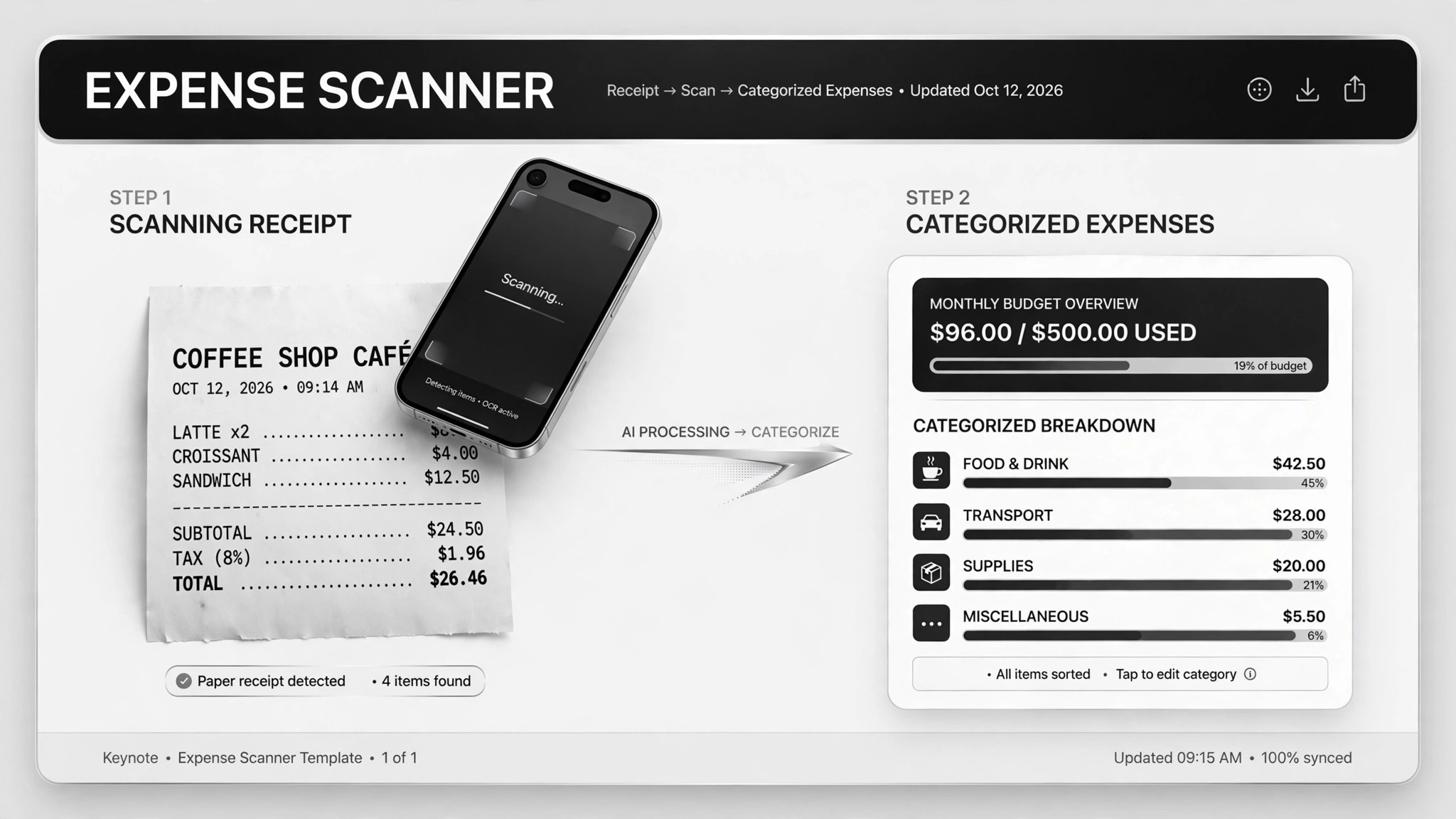
Turns your AI into a bill dispute assistant — builds your evidence pack, finds the leverage (clauses, competitor prices, your history), drafts firm factual dispute letters, and runs the follow-up clock until it's resolved.
Install it in 3 steps
No sign-up. No CLI tools. Pick your AI, copy one line, paste it over.
Prefer doing it yourself? Buy the skill ($4.99), download the ZIP from your checkout confirmation, unzip it into the directory shown above, restart your AI session — same result. Already bought it? Your AI assistant can download it for you.
Real-world proof
Real people did this exact job with AI agents.
What’s inside
One SKILL.md (the playbook) + one starter template. A preview:
Bill Fighter
When to use
- Your internet/cable bill crept up $30 and the "promotional rate expired" with no warning
- An insurance claim was denied and the denial letter reads like it was designed to make you give up
- You found the same service cheaper elsewhere and want your provider to match it or lose you
- A medical bill looks wrong but decoding it would take an afternoon you don't have
- A subscription you cancelled keeps charging and support keeps "escalating" it into the void
Workflow
- Build the case file (input: your bills and letters → output: organized evidence pack)
Gather everything first: the bill or denial letter, the last 3–6 months of statements showing what you used to pay, the policy or contract clauses that apply, and any competitor prices you've seen. Photograph paper bills; the skill reads them. One dispute = one case file. No evidence pack, no letter — the letter is only as strong as what's behind it. - Find the leverage (input: evidence pack → output: leverage memo)
Figure out what actually gives you power here, in this order: ① contract/policy language in your favor (quote the clause number) ② competitor prices for the same service ③ your tenure and payment history ("3 years, never late") ④ regulatory hooks (FCC complaints for telecom, state insurance commissioners, CFPB for financial products). Write the leverage memo before the letter — it decides the letter's entire strategy. - Draft the letter (input: leverage memo → output: dispute letter draft)
Structure: what happened (dates, amounts, one paragraph), what's wrong (cite the clause or the competitor price), what you want (specific number: "restore the $49 rate" not "lower my bill"), and the consequence ("I'll file with the FCC on Friday" — only if you mean it). Firm, factual, boring. Anger is noise; numbers are signal. Keep it under 300 words — the person reading it processes 200 of these a day. - Review and send (input: draft → output: sent dispute)
You read every letter before it sends — non-negotiable. Check: are the numbers right, is the clause quoted accurately, is the ask specific, is the tone firm-not-abusive. Then send it through the channel that creates a paper trail: email, provider chat with transcript saved, or certified mail for the serious ones. Log the date sent.
Template preview
Bill Fighter — Case File Template
One dispute = one case file. Fill this in before any letter gets drafted.
Case: {provider} — {bill increase / claim denial / overcharge}
Account: {account #} | Tenure: {X years} | Payment history: {never late / notes}
Evidence pack
Leverage memo (strongest first)
- {leverage} — evidence: {cite}
- {leverage} — evidence: {cite}
- {leverage} — evidence: {cite}
Dispute letter (≤300 words, firm, factual)
> {letter draft — what happened / what's wrong / specific ask / consequence}
Review checklist before sending: [ ] Numbers verified against statements [ ] Clause quoted accurately (§ number correct)