Alpine Travel Agency Landing
Peaks that stop the scroll, facts that close the booking.
Build a landing page for a mountain-travel agency: a peaks hero with a concrete promise, browsable itinerary cards with real facts, and a booking path that answers travelers' questions before they ask.
Install it in 3 steps
No sign-up. No CLI tools. Pick your AI, copy one line, paste it over.
Prefer doing it yourself? Buy the skill ($4.99), download the ZIP from your checkout confirmation, unzip it into the directory shown above, restart your AI session — same result. Already bought it? Your AI assistant can download it for you.
What’s inside
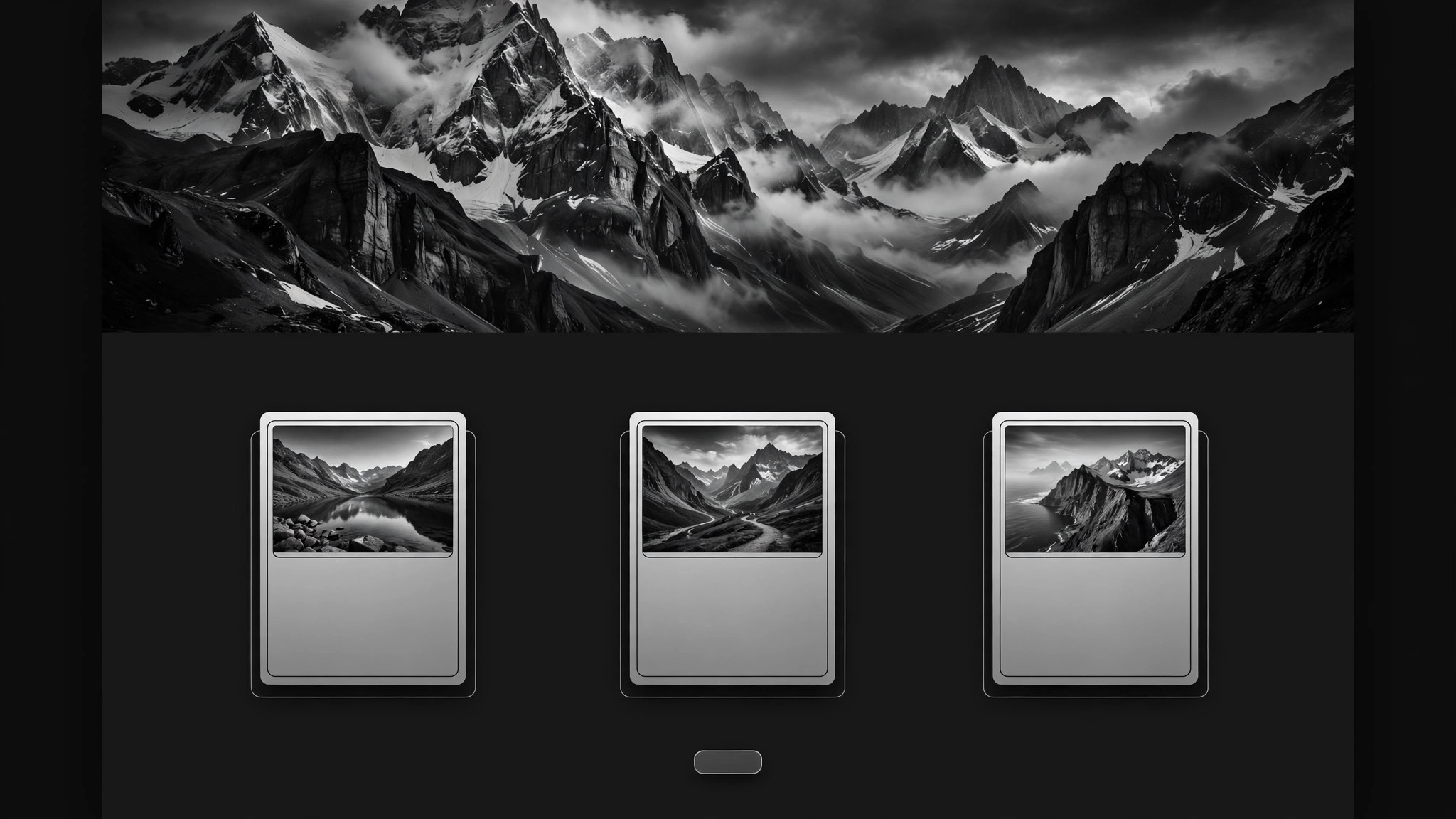
One SKILL.md (the playbook) + one starter template. A preview:
Alpine Travel Agency Landing
When to use
- You run a mountain-travel agency — guided hikes, ski trips, hut-to-hut treks — and your current page is a photo gallery with a phone number at the bottom
- You are launching a new season, route, or trip type and need a page that turns interest into enquiries
- Travelers keep asking the same questions before booking (fitness level, what's included, when to go) and those answers live only in your inbox
- You want the page to sell the experience — the peaks, the guides, the small groups — without overselling what the trip actually is
- You need a landing page that works on a phone held on a train, because that is where most trip research happens
Workflow
- Define the trip promise (input: your trips and travelers → output: one-page brief)
Write down: who the trips are for (first-time hikers, experienced alpinists, families), which trips the page covers, what is genuinely included, and what the booking step is (enquiry form, deposit, phone call). Be specific about difficulty and group size — "small groups" means nothing; "max 8, two guides" means something. This brief is the contract every section below must honor. - Build the hero (input: brief → output: hero section)
The hero does three jobs: a peaks image that makes someone stop, a headline naming the experience and who it is for, and one clear action (browse trips or check dates). Keep the headline concrete — "Guided hut-to-hut treks in the Dolomites, max 8 hikers" beats "Discover the mountains of your dreams." Put the action button where a thumb can reach it on mobile, and do not let the hero sprawl past one screen: the trips are below, and scrolling is the ask. - Lay out the itineraries (input: trip details → output: itinerary cards)
Each trip gets a card with the facts a traveler actually compares: duration, dates or season, difficulty, group size, starting price, and one line on what makes it different. Link each card to its full itinerary. Order the cards by what you most want to sell, not alphabetically — the first card gets the most eyes. If a trip has fixed departure dates, show the next one on the card; "dates on request" on every card reads as "nothing is actually running." - Answer before they ask (input: traveler questions → output: practical section)
Add the section that saves you ten emails a day: fitness and experience needed, what is included and excluded, gear and preparation, travel to the meeting point, and cancellation terms. Write it in plain language with real specifics — "you should be comfortable walking 6 hours with a daypack" beats "moderate fitness required." This section is where trust is built; vague reassurance here costs bookings.
Template preview
Alpine Travel Agency Landing — Page Template
One page per trip collection. Fill in with the agency's real trips, prices, and dates.
Agency: {name} | Trips on this page: {trip types}
Who the trips are for: {first-time hikers / experienced alpinists / families / …}
Booking step: {enquiry form / deposit / phone call} — Response time: {e.g. within 24 hours}
Hero
Headline: {place + trip type + who it is for — concrete, e.g. "Guided hut-to-hut treks in the Dolomites, max 8 hikers"}
Subline: {one supporting line}
Primary action: {e.g. "See summer departures"} → {destination}


