Stock Researcher
Une analyse approfondie et sourcée sur n'importe quelle action — documents officiels, chiffres, zéro fiction.
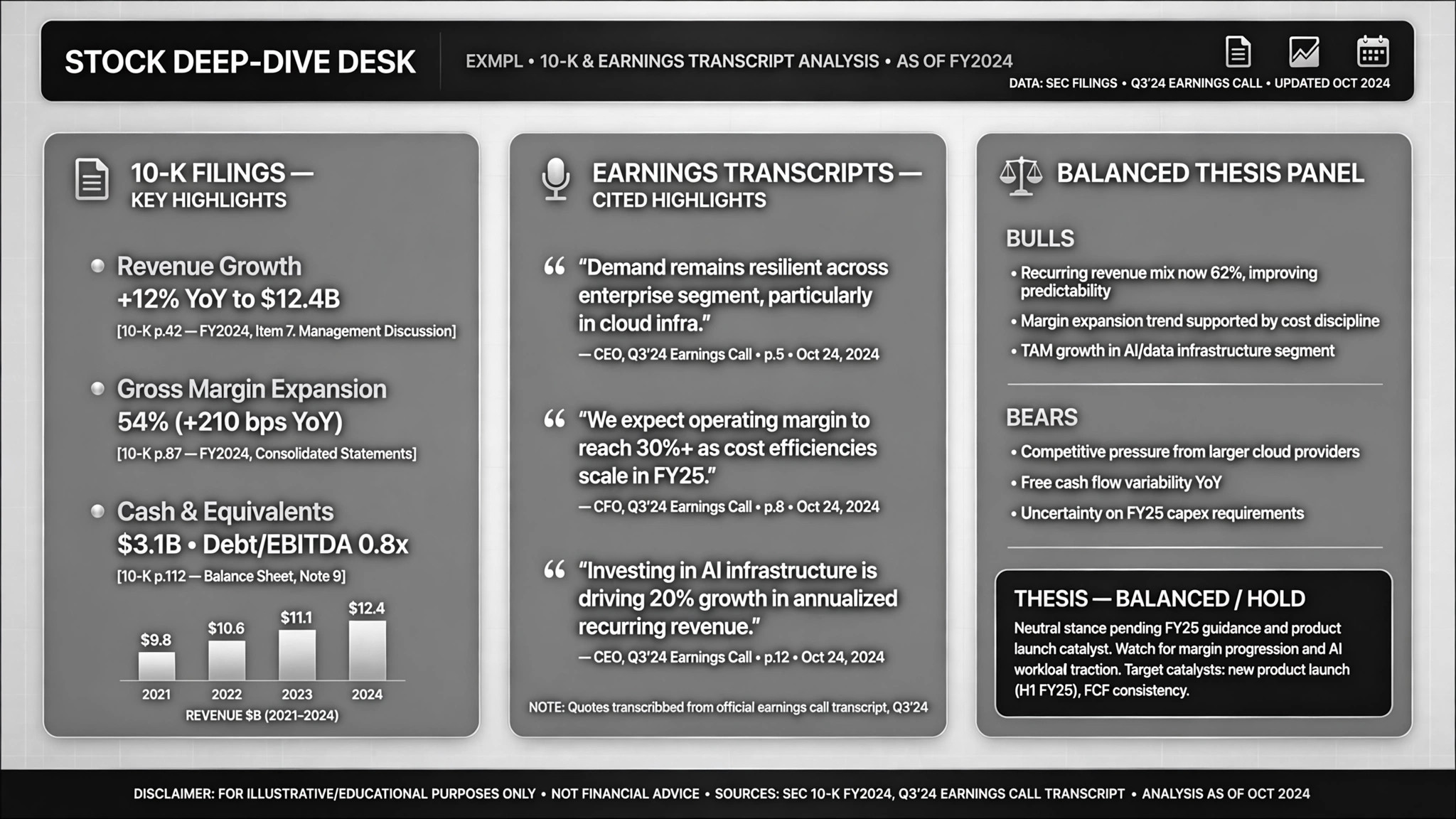
Rédige une note de recherche sourcée sur n'importe quelle action — documents officiels, transcriptions, chiffres clés avec leurs sources — et vous signale quand une position enfreint vos règles de risque. Recherche uniquement : il ne négocie jamais, et chaque décision vous appartient.
Installez-la en 3 étapes
Sans inscription. Sans outils en ligne de commande. Choisissez votre IA, copiez une ligne, collez-la.
Vous préférez le faire vous-même ? Achetez la compétence ($4.99), téléchargez le ZIP depuis votre confirmation d'achat, décompressez-le dans le répertoire indiqué ci-dessus, redémarrez votre session IA — même résultat. Vous l'avez déjà achetée ? Votre assistant IA peut la télécharger pour vous.
Preuves concrètes
Des personnes réelles ont accompli exactement ce travail avec des agents IA.
Research stocks by pulling filings and transcripts
Lire le cas →Cas d’usageDo equity research with Claude Code without coding
Lire le cas →Contenu du pack
Un fichier SKILL.md (le guide pratique) + un modèle de départ. Aperçu :
Stock Researcher
When to use
- You want a deep-dive on a stock before investing — filings, earnings transcripts, real numbers, every claim cited
- You hold a portfolio and want a recurring research briefing (e.g. twice a week) on your holdings and watchlist
- You need the strongest counter-argument: a well-sourced bear case on a stock you already like
- You set risk rules (e.g. "flag me if it drops 15%") and want breaches surfaced automatically
- You're not a coder and want research notes in plain language with references you can actually check
Workflow
- Set scope and sources (input: ticker + holdings/watchlist + risk rules → output: research brief)
Give the AI the ticker (or a list of holdings plus a watchlist), your risk rules (stop-loss levels, max position size), and the sources it should trust: company filings first, earnings transcripts, then reputable financial press. You define the risk rules; the AI never sets or changes them. - Pull the primary documents (input: ticker → output: source bundle)
The AI fetches the latest 10-K/10-Q, recent earnings call transcripts, and relevant news. Primary filings are evidence; press coverage is context. If a document can't be retrieved, the skill says so instead of guessing from summaries. - Extract and cite (input: source bundle → output: cited fact list)
Summarize the business, the key numbers, and what management claims — with every claim tagged to its source and page. If a number can't be sourced, it's labeled unverified or dropped. One real case had the AI run the numbers twice to catch misreads. - Write the bear case (input: cited facts → output: bull/bear section)
Deliberately argue the strongest case *against* the stock using the same cited facts. This is the skill's differentiator: a research note that tries to talk you out of the trade, not one that confirms what you already believe. - Save and spot-check (input: research note → output: saved note + verification pass)
The note is saved as markdown in your notes library. Before acting on anything, you spot-check the citations — open the cited page, confirm the number. AI misreads tables; the citation exists so you can catch it. - Run the risk watch (input: schedule + risk rules → output: briefing with flags)
On schedule, the AI refreshes the news, bull/bear arguments, and scenario analysis for your holdings and watchlist, and flags any position that broke your risk lines. Flagged doesn't mean sell — you still make every buy/sell decision yourself.
Output spec
Aperçu du modèle
Stock Researcher — Research Note Template
One note per ticker. Every number needs a source — write "unverified" rather than leaving it blank.
{Ticker} — {Company name} | {date}
Thesis question: {what you're trying to decide, e.g. "Is this a buy below $X?"} Sources used: {latest 10-K / 10-Q, earnings call {date}, news sources} Sources unavailable: {anything you tried to get but couldn't — "validate before relying"}
Business summary
{2–4 sentences: what the company does, how it makes money}
Key figures
Management claims vs. evidence
Bull case
- {strongest pro, with citation}
- {second pro, with citation}
Bear case
Le pack de compétence lui-même (SKILL.md + modèle) est rédigé en anglais.
Vous aimerez aussi
 Flux de travail
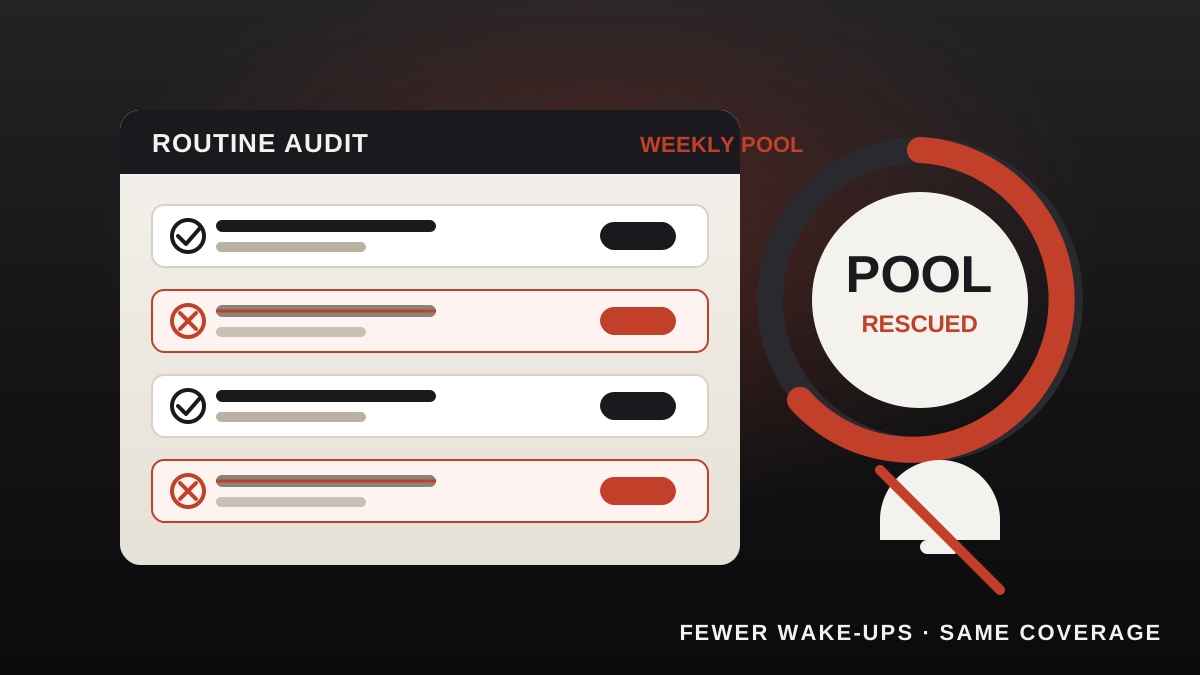
Grok Bot Routine Rescue
Find which scheduled routine is eating your weekly pool — and kill it
 Flux de travail
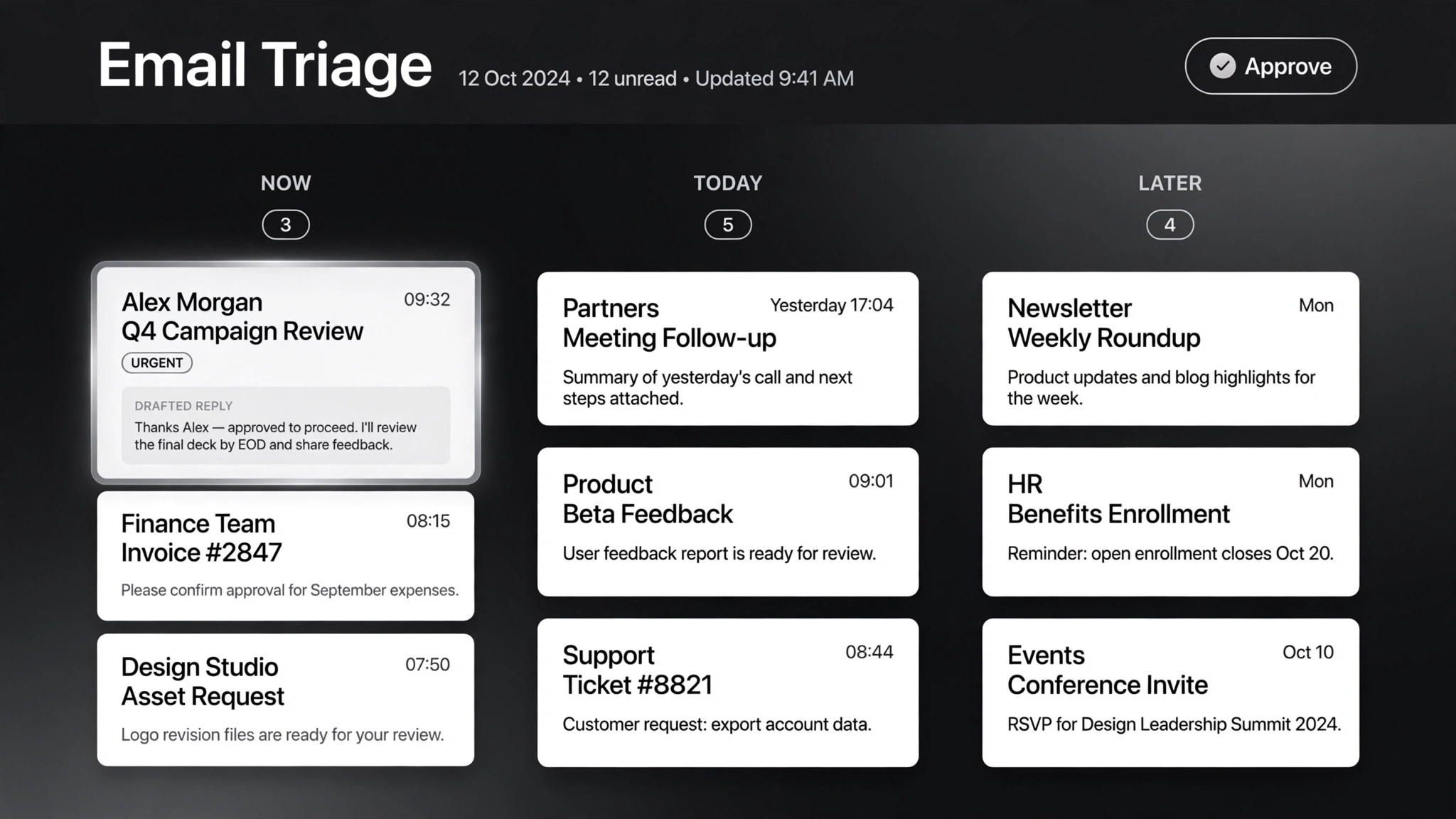
Inbox Triage
Votre boîte mail pré-lue : urgences signalées, réponses rédigées, vous n'avez qu'à cliquer sur envoyer
 Flux de travail
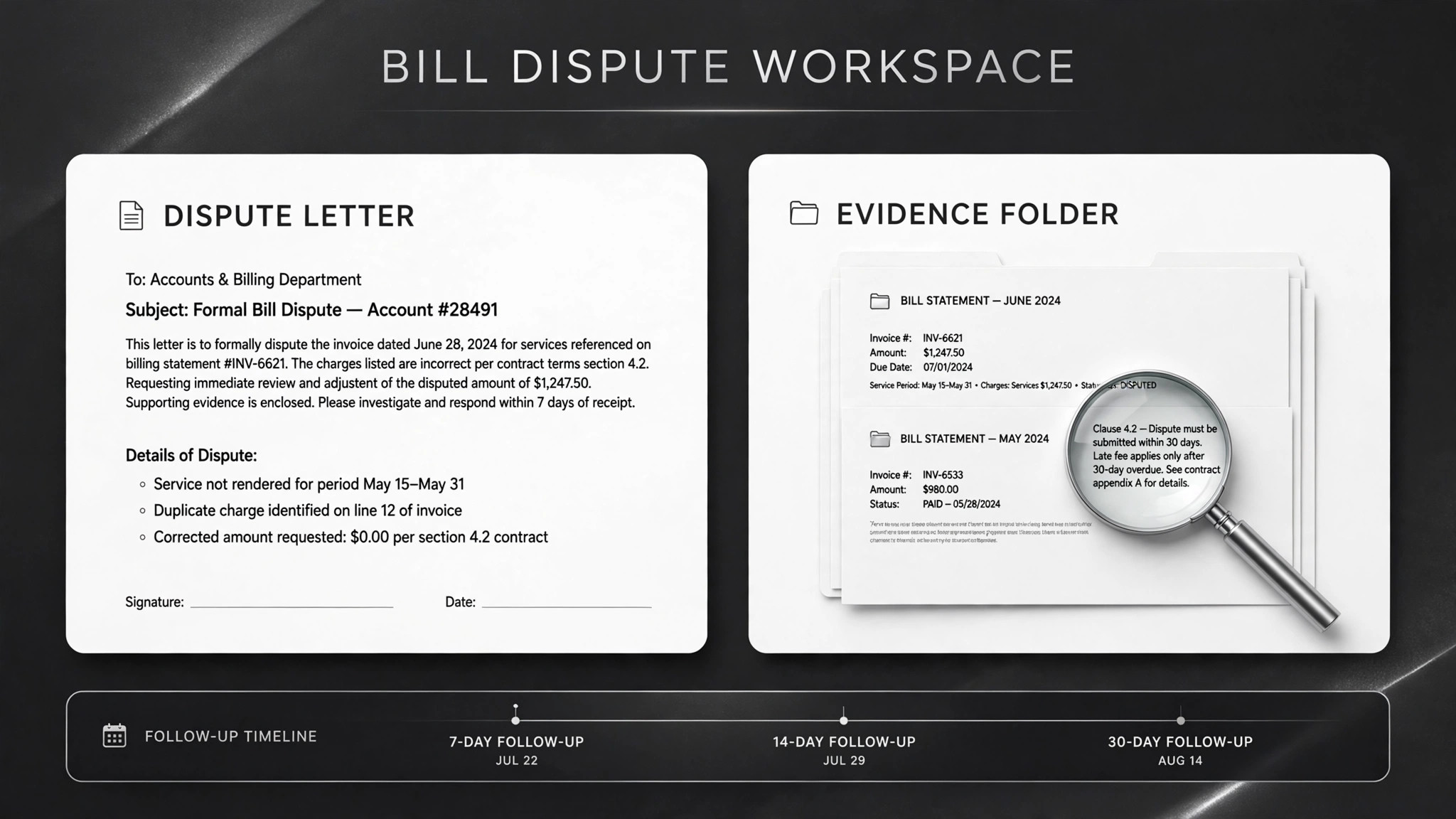
Bill Fighter
Contestez les surfacturations et les refus avec des courriers étayés par des preuves