Grok Bot Routine Rescue
Find which scheduled routine is eating your weekly pool — and kill it
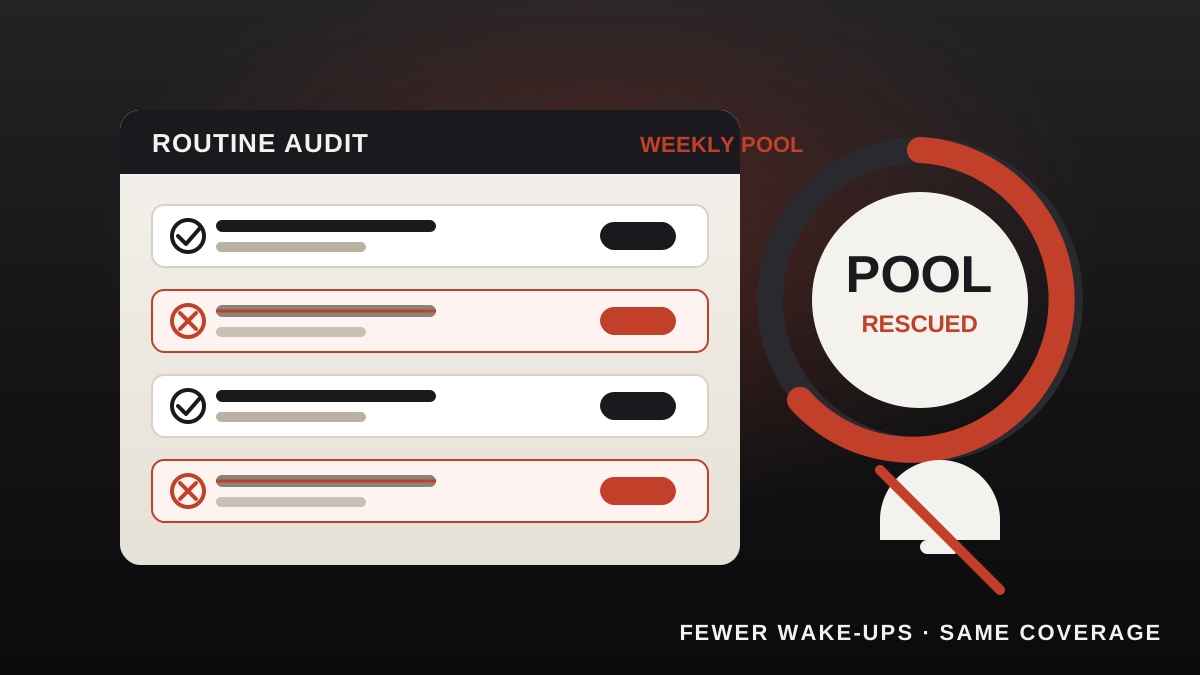
Audit a Grok Bot fleet that keeps burning its weekly pool: list every bot and scheduled routine, diagnose the failure mode — zombie routines, wake-up loops, context blow-ups, five-minute polling, or a plan switch that moved the baseline — then kill, merge, or retime the waste, set a spend ceiling, and hold it with a weekly reconciliation. No savings percentage promised.
Installez-la en 3 étapes
Contenu du pack
Un fichier SKILL.md (le guide pratique) + un modèle de départ. Aperçu :
Grok Bot Routine Rescue
What this skill will not do (read first)
- It does not change what Cursor charges, what a plan includes, or how the weekly pool is measured. Pricing and pool sizes are the vendor's; this skill only changes what your bots do with the pool.
- It does not promise a savings percentage and does not promise the weekly pool will be enough afterwards. If your real workload genuinely needs more than the pool, the honest outcome of this skill is proof of that — not a miracle.
- It does not touch bots, routines, or accounts you do not own or are not authorized to change. If ownership is unclear, stop and ask.
- It never works around a quota by switching keys, projects, or accounts. That is not saving; that is hiding the burn.
The facts this skill runs on
These are public, user-reported patterns from the Cursor community forum and independent write-ups (October 2026). They are the symptoms this skill diagnoses — not guarantees about your fleet:
- Scheduled routines that used to fit the pool start eating it faster, sometimes after a plan change. One user reported the same workload going from about 70% of the weekly pool to burning through it in five days after switching plans, with a single short conversation taking about 1% of the pool.
- A bot that falls asleep and misses its scheduled runs tempts its owner to add a second routine whose only job is waking it up. That wake-up routine itself consumes the pool — the cure becomes part of the disease.
- A long text-only consultation can register an extremely large token count behind the scenes (one user reported 249K+ tokens for a single prompt run), because every reply re-reads the bot's whole conversation. There is no manual "compact" button; the known workaround is a handoff summary plus a fresh copy of the bot.
- An "urgent" mode in which a bot checks a running agent every five minutes burns tokens far faster than the default cadence. It is meant for true emergencies, not as a default.
- Wake-ups are the real cost driver for many fleets: every scheduled job that starts an agent costs compute the moment it wakes, even if it immediately finds nothing to do. One user counted roughly 300 agent wake-ups a week, found about half were waste, and cut the count to about 140 with no coverage lost.
- Usage reporting itself can mislead: after a plan switch, one user reported the Cloud Agent API showing zero tokens for every run, making the burn unmeasurable from that view. Trust the billing-side weekly pool over any single API view.
When to use
Aperçu du modèle
Grok Bot Routine Rescue — Templates
Copy these tables and fill them in. "Unknown" is an answer; a blank is not. Keep the filled tables with the fleet's records — the next audit starts from them, not from scratch.
Table A — Routine Audit Table
One row per bot, one row per scheduled routine. Complete it before killing anything.
Tag rules:
- Normal — produces something somebody uses, at a cadence the job needs.
- Suspicious — output nobody reads, wakes only to find nothing to do, or runs far more often than its job requires.
- Obvious waste — duplicate of another routine, superseded, attached to a dead project, or failing every time with nobody acting on it.
Le pack de compétence lui-même (SKILL.md + modèle) est rédigé en anglais.
Vous aimerez aussi
 Flux de travail
Inbox Triage
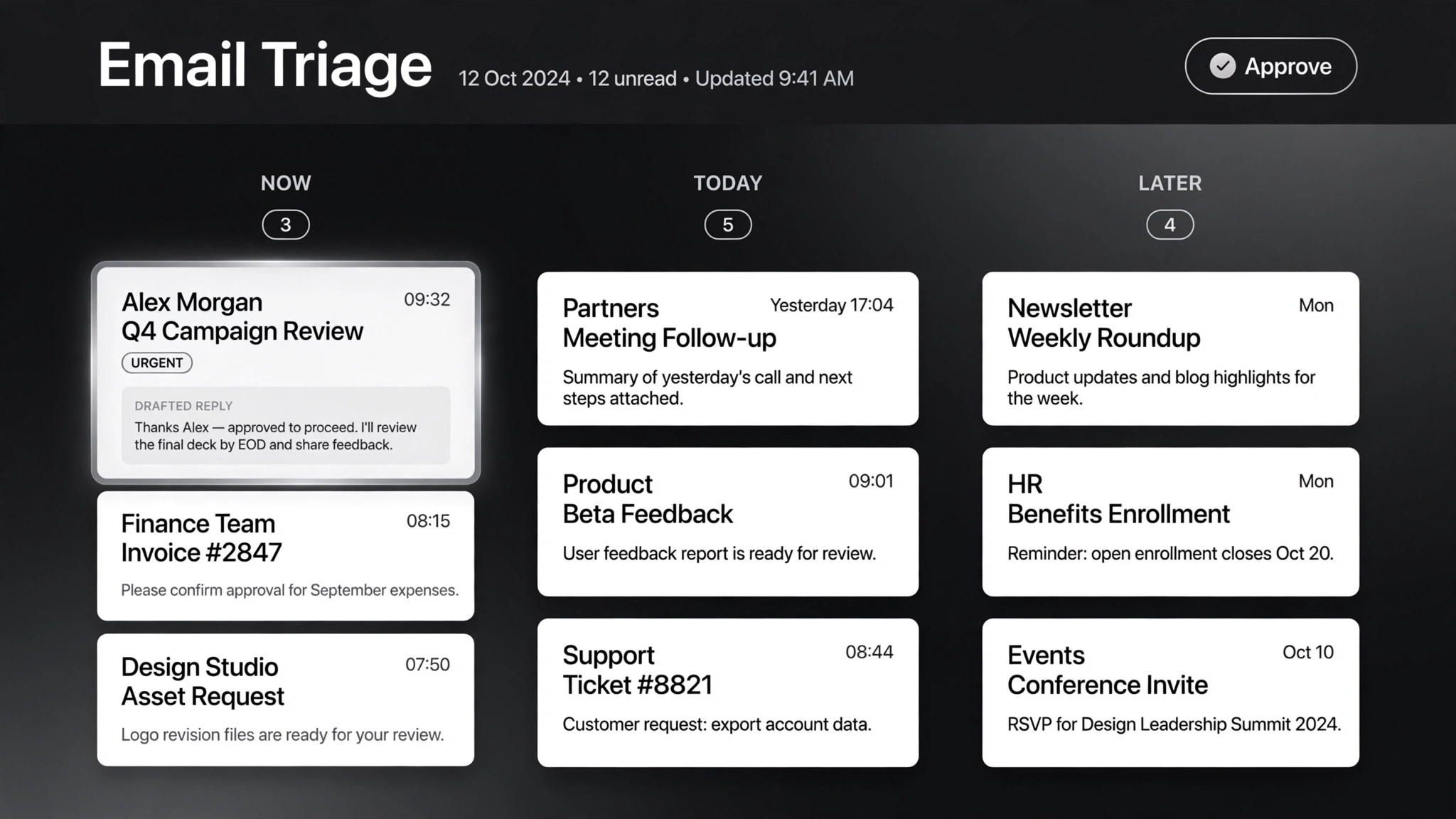
Votre boîte mail pré-lue : urgences signalées, réponses rédigées, vous n'avez qu'à cliquer sur envoyer
 Flux de travail
Bill Fighter
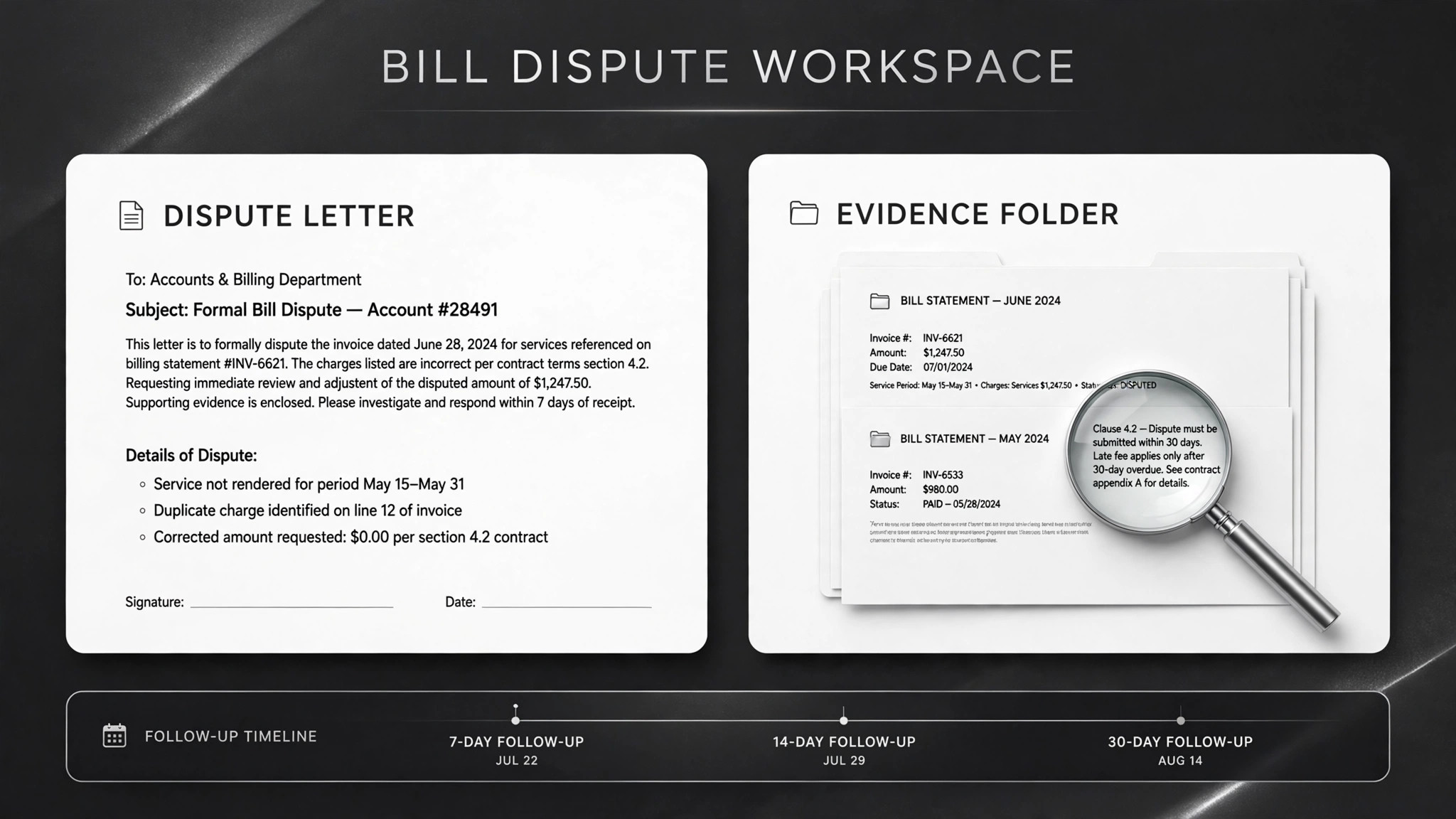
Contestez les surfacturations et les refus avec des courriers étayés par des preuves
 Flux de travail
Ad Copywriter
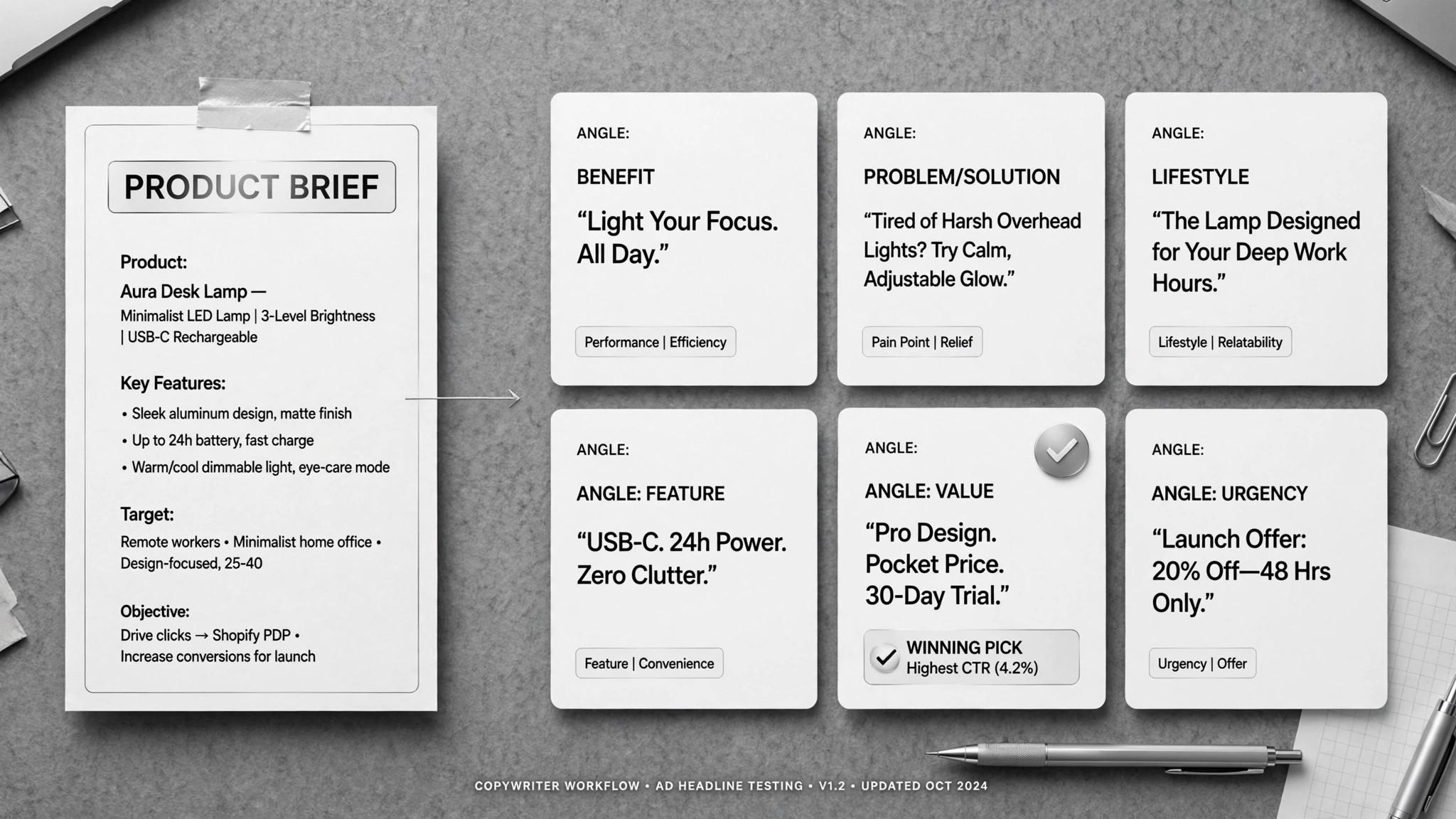
Un brief en entrée, une pile de textes publicitaires conformes en sortie — vous choisissez les gagnants.