Agent-Driven QA Loop
Un agent IA dans l'équipe QA de nuit
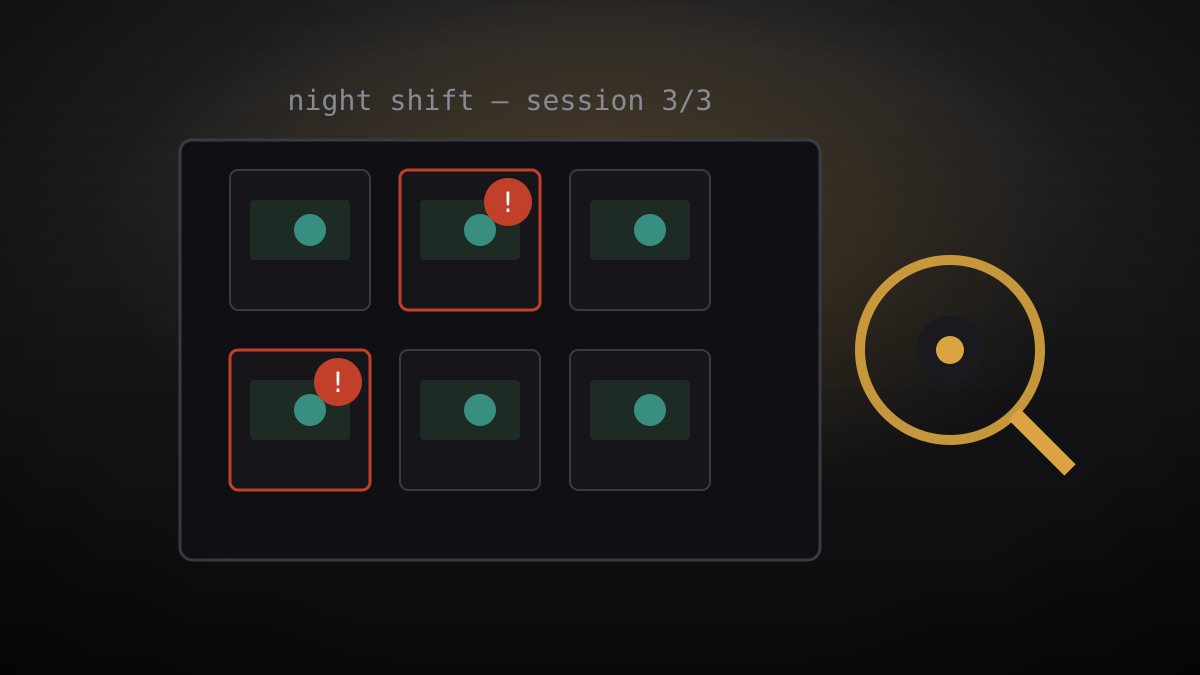
Mettez un agent IA à la QA de nuit : une charte de test avec des interdictions strictes, des scripts de session chemin heureux plus mauvais chemin, une inspection des échecs par captures d'écran, un tri par sévérité et un ensemble de régression qui grandit chaque semaine.
Installez-la en 3 étapes
Sans inscription. Sans outils en ligne de commande. Choisissez votre IA, copiez une ligne, collez-la.
Vous préférez le faire vous-même ? Achetez la compétence ($4.99), téléchargez le ZIP depuis votre confirmation d'achat, décompressez-le dans le répertoire indiqué ci-dessus, redémarrez votre session IA — même résultat. Vous l'avez déjà achetée ? Votre assistant IA peut la télécharger pour vous.
Contenu du pack
Un fichier SKILL.md (le guide pratique) + un modèle de départ. Aperçu :
Agent-Driven QA Loop
When to use
- Your build needs playtesting and your QA team is you (or is asleep).
- You want regression coverage on every nightly build without writing a full test suite.
- Bugs keep shipping that "looked fine on my machine" — visual, timing, and state bugs.
- You're already using an AI agent in development and want it pulling QA shifts too.
Workflow
- Define the QA contract (input: build → output: test charter)
Write what the agent is allowed to do: launch the build via the exact command, play for N minutes per session, capture screenshots at fixed intervals and on errors, read logs, and file bug reports — but never modify source, never touch networked services, never spend money or create accounts. A QA agent with write access to your repo is not QA, it's a liability. - Script the play session (input: charter → output: session script)
Give the agent a concrete session: start new game, play the core loop for 5 minutes pursuing the win condition, then deliberately do the wrong things (mash buttons, pause mid-animation, alt-tab, resize the window, idle for 2 minutes). Wrong-thing testing finds the crashes; happy-path testing finds nothing. Include the oracle: what "correct" looks like (target frame rate, no error dialogs, state transitions listed). - Set up screenshot inspection (input: session script → output: inspection protocol)
The agent compares screenshots against expectations: HUD elements present, no rendering artifacts (black boxes, stretched textures, z-fighting), text readable and unclipped, menus navigable. Teach it your game's specific failure signatures with 3–5 example screenshots of past bugs ("this is what the inventory soft-lock looks like"). Vision-based QA beats log-based QA for the bugs players actually see. - Run the overnight loop (input: protocol → output: bug inbox)
Schedule: build at midnight, agent plays three 10-minute sessions with different seeds/characters, files one report per distinct bug with screenshot + repro steps + log excerpt. Cap the run (timebox, max sessions) so a crash loop doesn't burn your API budget by morning. In the morning you triage, not debug — the agent already attached the evidence. - Triage with severity math (input: bug inbox → output: fix queue)
Score each bug: crashes and soft-locks first, then progression blockers, then visual glitches, then polish. For each: can a player hit it in normal play (multiply severity), and did it appear in the last build (regression = fix today)? Anything the agent found that you can't reproduce in 5 minutes goes back to the agent with "reproduce this deterministically" before it earns a place in the queue. - Close the loop into the build (input: fix queue → output: regression set)
Every fixed bug becomes a permanent check: add its screenshot signature and repro to the agent's protocol. Over weeks this compounds into a regression suite you never had to hand-write. Review the protocol monthly — delete checks for systems you removed, or the agent will cry wolf about ghosts.
Aperçu du modèle
Agent-Driven QA Loop Worksheet
Set this up once; it compounds into a regression suite.
1. Test charter
- Launch command:
- Session length × count:
- Agent may: play, screenshot, read logs, file reports
- Agent may NEVER:
- Timebox / budget cap:
2. Session script
Happy path (core loop, N minutes, pursuing the win):
Wrong-thing list (button mash, pause mid-animation, alt-tab, resize, idle 2 min):
Correctness oracle (frame rate, no error dialogs, state transitions):
3. Inspection protocol
Your game's failure signatures (with 3–5 example screenshots of past bugs):
1. 2. 3.
4. Overnight run
- Build time:
- Sessions (count × length, seeds/characters):
Le pack de compétence lui-même (SKILL.md + modèle) est rédigé en anglais.
Vous aimerez aussi
 Flux de travail
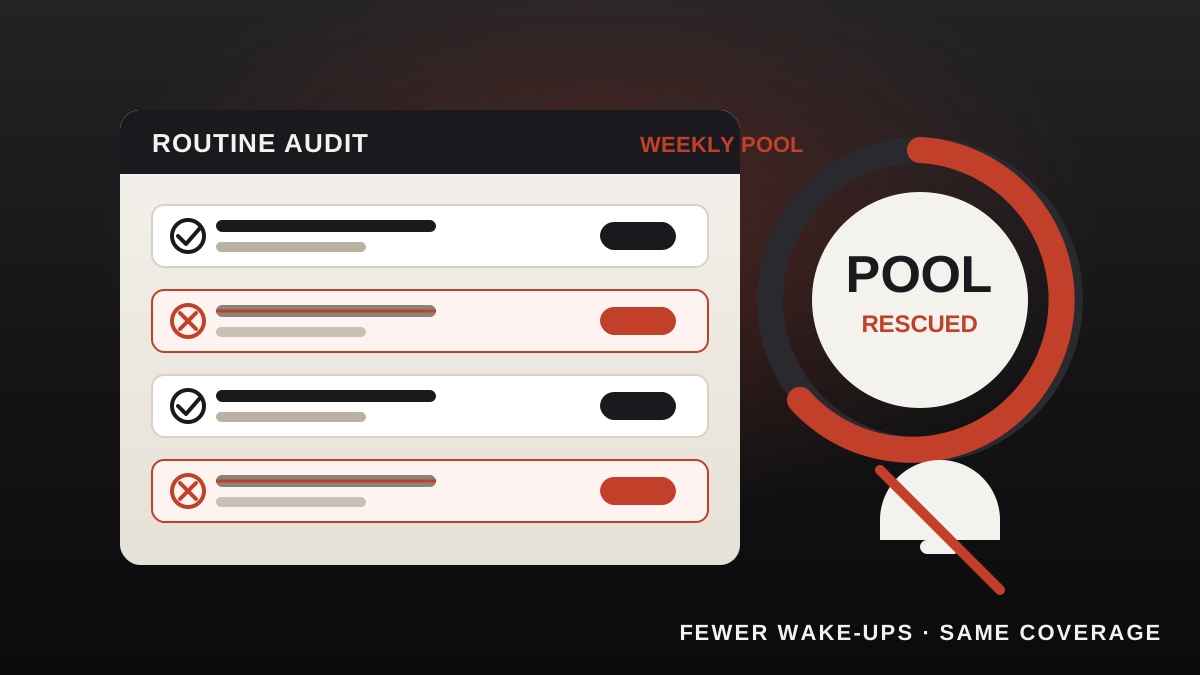
Grok Bot Routine Rescue
Find which scheduled routine is eating your weekly pool — and kill it
 Flux de travail
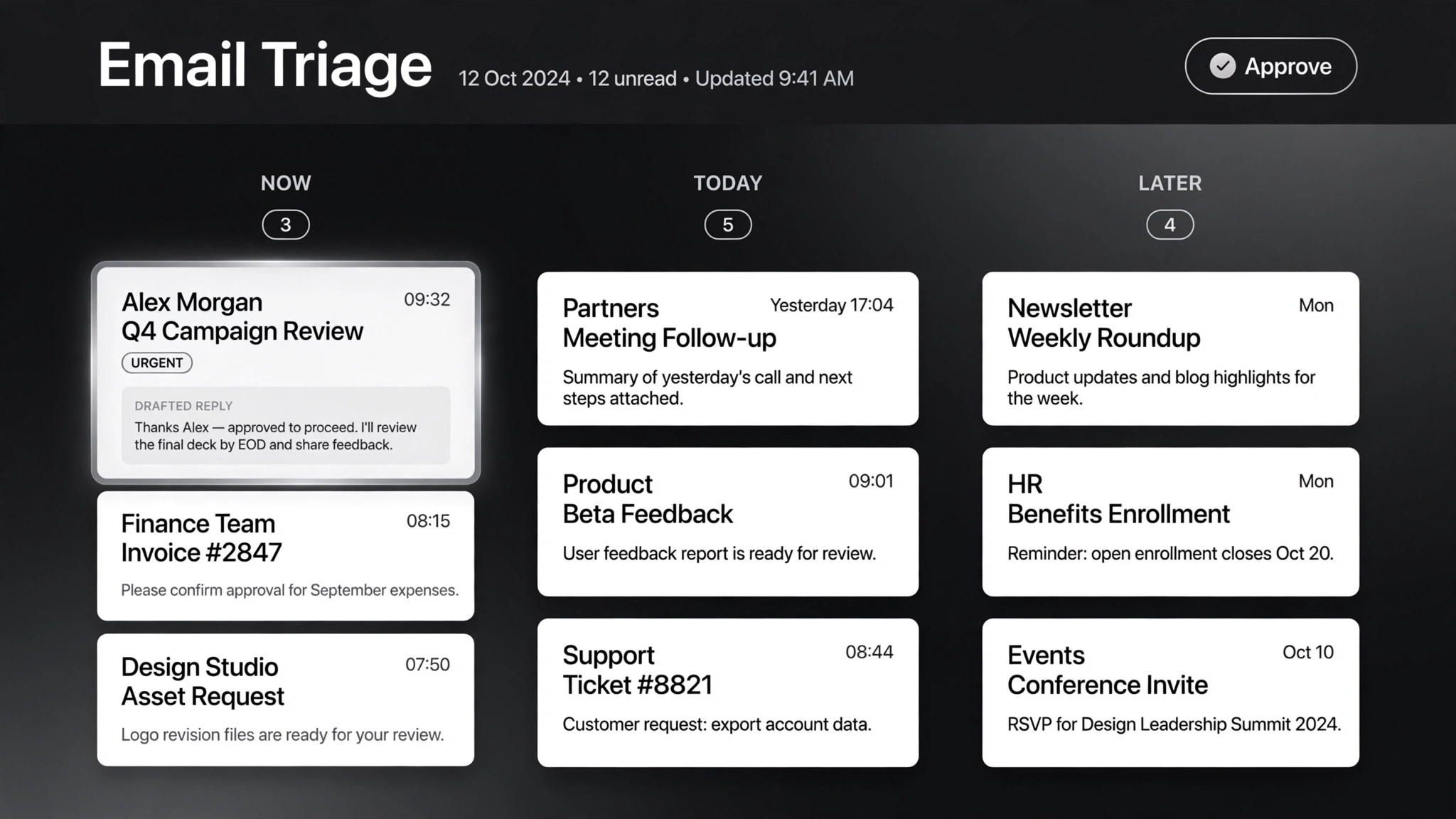
Inbox Triage
Votre boîte mail pré-lue : urgences signalées, réponses rédigées, vous n'avez qu'à cliquer sur envoyer
 Flux de travail
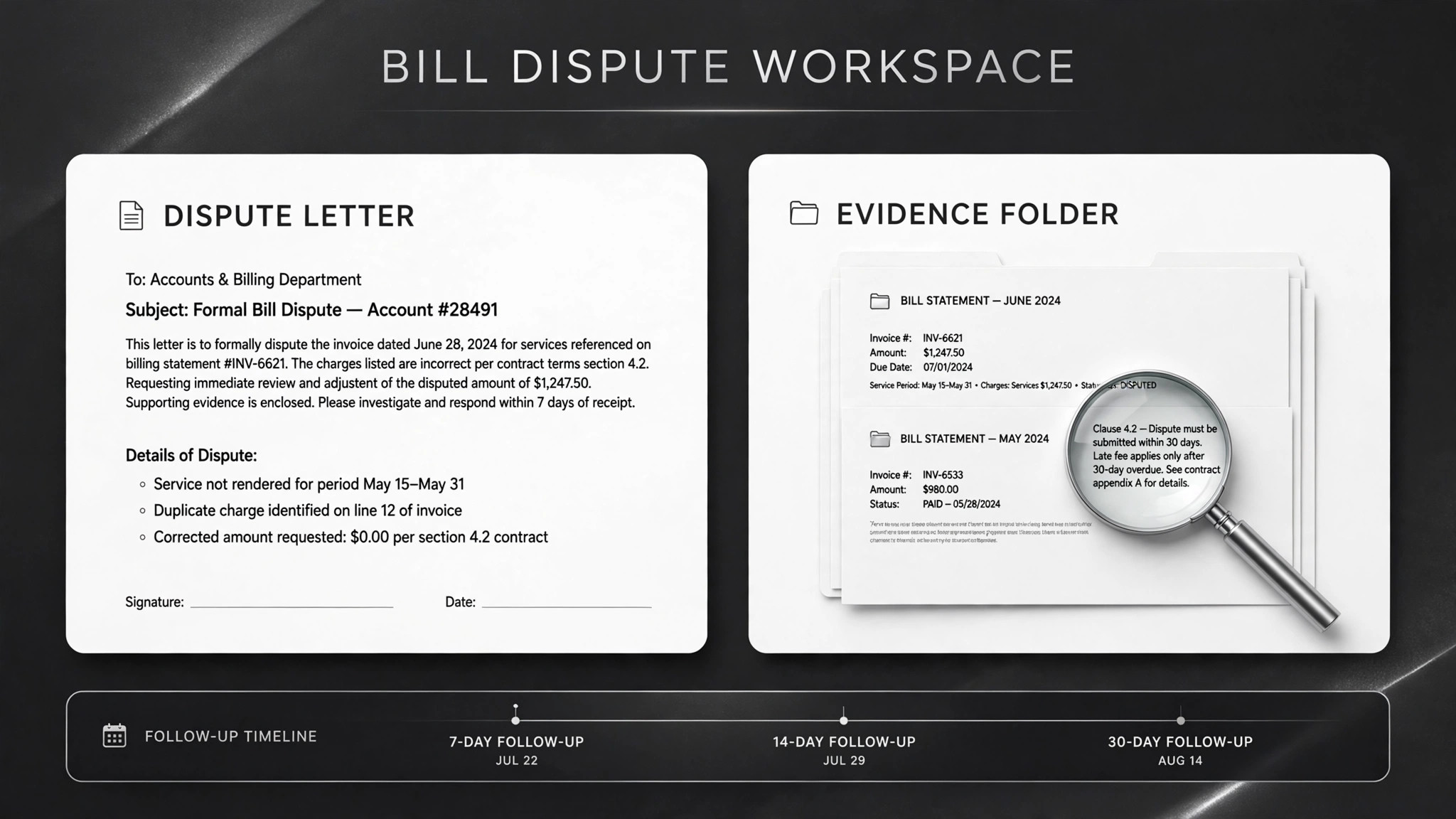
Bill Fighter
Contestez les surfacturations et les refus avec des courriers étayés par des preuves