Ticket to PR
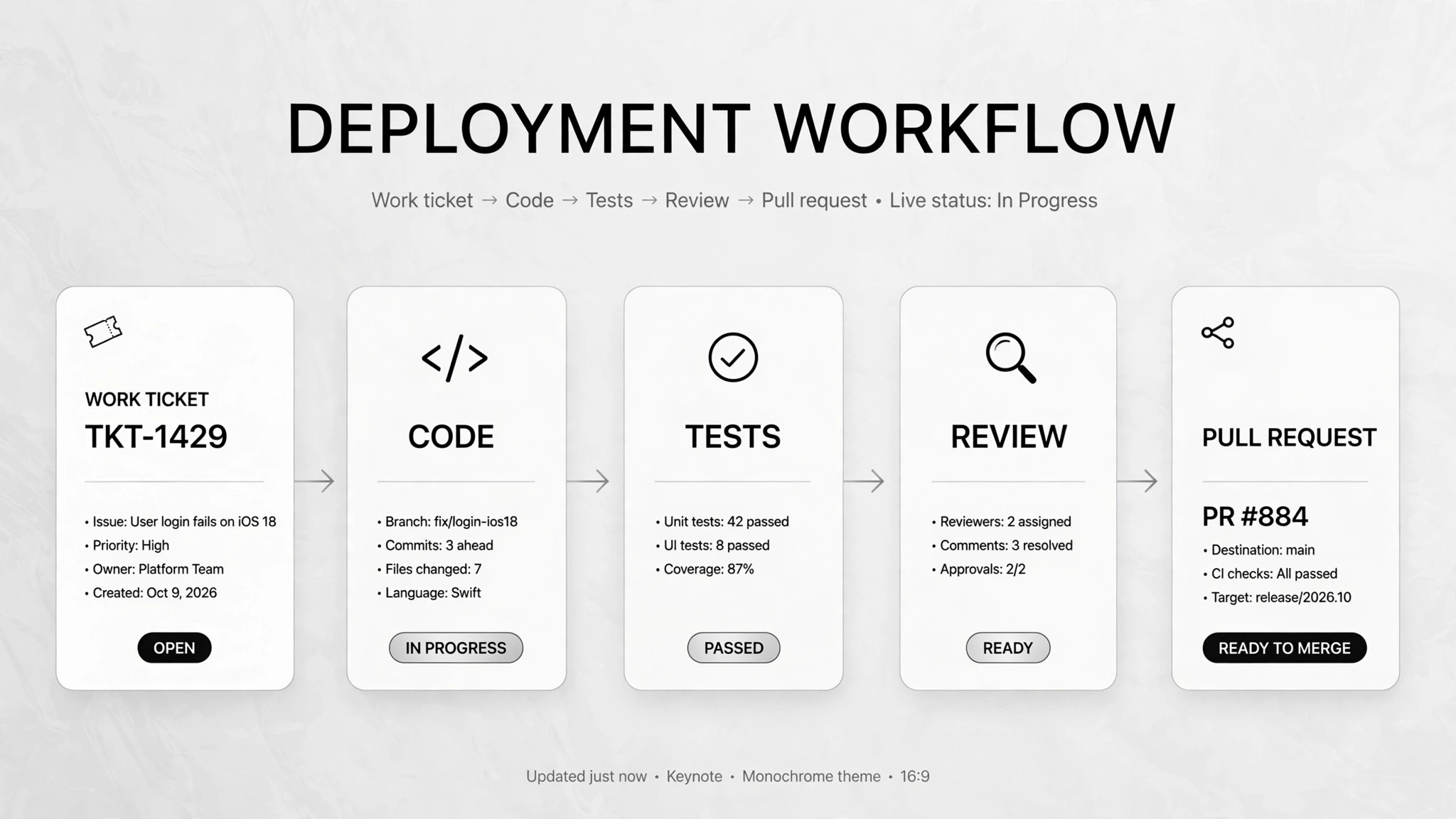
Un ticket di lavoro in entrata, una pull request testata in uscita.
Trasforma i ticket di lavoro in pull request testate e solo in bozza — l'agente scrive il codice, lo testa e lo rivede da sé; a fare il merge è sempre una persona.
Installala in 3 passaggi
Nessuna registrazione. Nessuno strumento da riga di comando. Scegli la tua AI, copia una riga e incollala.
Preferisci fare da te? Acquista la skill ($4.99), scarica lo ZIP dalla conferma d'acquisto, decomprimilo nella cartella mostrata sopra e riavvia la sessione della tua AI — stesso risultato. L'hai già acquistata? Il tuo assistente AI può scaricarla per te.
Prove dal mondo reale
Persone vere hanno svolto proprio questo lavoro con agenti IA.
Have Claude implement most of a day job's work
Leggi il caso →Caso d'usoRun a multi-bot team that opens draft PRs
Leggi il caso →Cosa contiene
Un file SKILL.md (la guida operativa) + un modello di partenza. Un'anteprima:
Ticket to PR
When to use
- You have a queue of well-defined tickets (bug fixes, small features) and not enough developer hours
- Routine development work eats most of your day and you want a pipeline: ticket → branch → code → draft PR
- Review comments keep bouncing back for the same classes of issues and you want an automated fix loop
- A team wants to try an AI coding pipeline without giving the agent merge rights
- You need consistent test and security checks on every change before human review
Workflow
- Pull and triage tickets (input: ticket tracker → output: actionable vs. unclear list)
Grab assigned tickets on a schedule and split them: clear enough to build, or needs clarification. Unclear tickets get a drafted reply for a human to send — the agent never starts coding on guesswork. - Classify risk and route (input: actionable ticket → output: risk level + build plan)
Read the ticket, map the relevant repo files and related history. Assign risk: low (fix in one module), medium (new behavior), high (auth, payments, migrations). High-risk work gets human direction before any code is written. - Implement the smallest change (input: ticket + context → output: working code on a new branch)
Write the minimal change that satisfies the ticket, on a fresh branch. No refactors, no extras, no "while I'm here" improvements. Small diffs get reviewed and merged; big ones rot. - Test and self-review (input: code → output: passing checks or bounce-back)
Run the test suite, lint, type checks, and build. Then review the diff independently — looking for regressions and missing tests, the way a teammate would. Failures bounce back to the implementer. Cap the loop (e.g. three rounds) so it can't spin forever on a design problem. - Security pass (input: passing code → output: security notes)
Scan for leaked secrets, auth issues, and dependency problems — the things tests can't see. Flag anything suspicious in the PR notes rather than fixing it silently. - Open a draft PR (input: reviewed code → output: draft PR)
Open a draft pull request only. Never merge, never push to the main branch. The PR summarizes what changed, what was tested, the security notes, and the open questions a human should double-check.
Output spec
- One draft PR per ticket: ticket link, risk level, change summary, test results, security notes, open questions for the reviewer
- Triage log: which tickets were built, which were drafted-as-questions and why
- Draft-only is the hard line: the agent never merges and never pushes to the main branch
- Companion template.md skeleton — fill in the blanks and use it
Good vs. bad examples
Anteprima del modello
Ticket to PR — Pipeline Run Template
One ticket = one run. Fill this in as the pipeline processes it.
Ticket intake — {TICKET-ID}
Title: {ticket title} Tracker link: {url} Pulled at: {date/time, or schedule slot}
Triage decision
[ ] Actionable — clear enough to build → proceeds below [ ] Unclear — needs clarification → draft question below, code nothing
If unclear — drafted reply (human sends): > {the specific question, e.g. "Is this the session-expiry timeout or the UI spinner hang? Steps to reproduce: …"}
Risk classification & routing
Risk: [ ] low (fix in one module) [ ] medium (new behavior) [ ] high (auth / payments / migrations)
Il pacchetto della skill (SKILL.md + modello) è scritto in inglese.
Potrebbe piacerti anche
 Flussi di lavoro
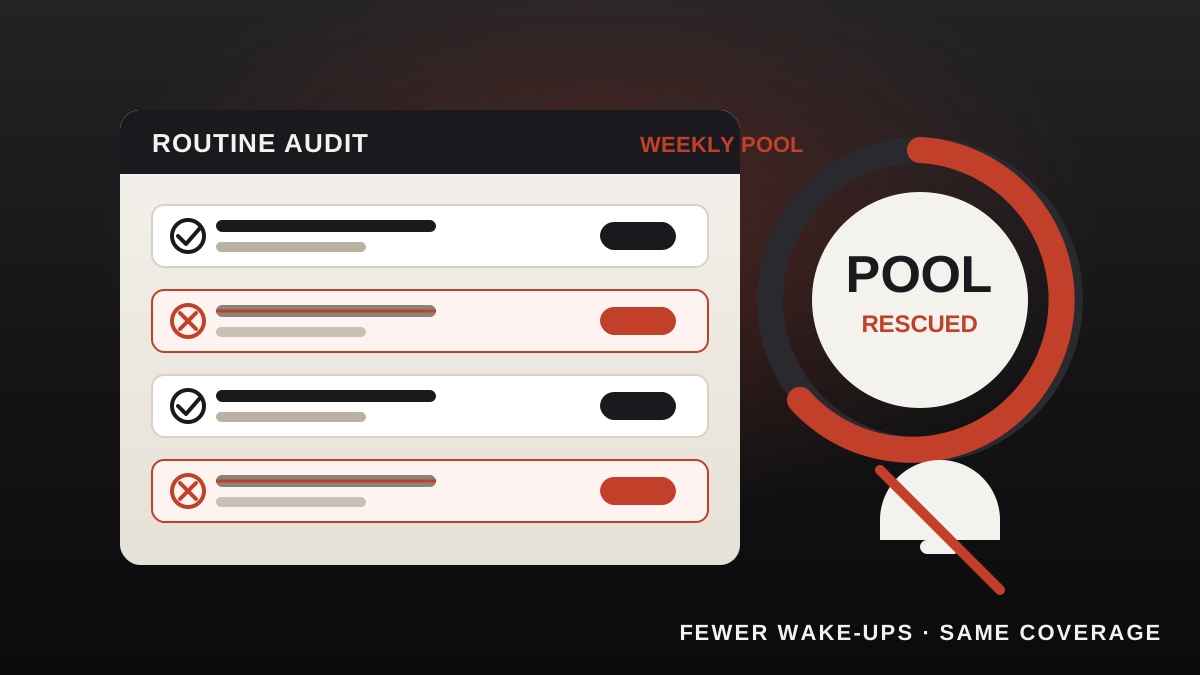
Grok Bot Routine Rescue
Find which scheduled routine is eating your weekly pool — and kill it
 Flussi di lavoro
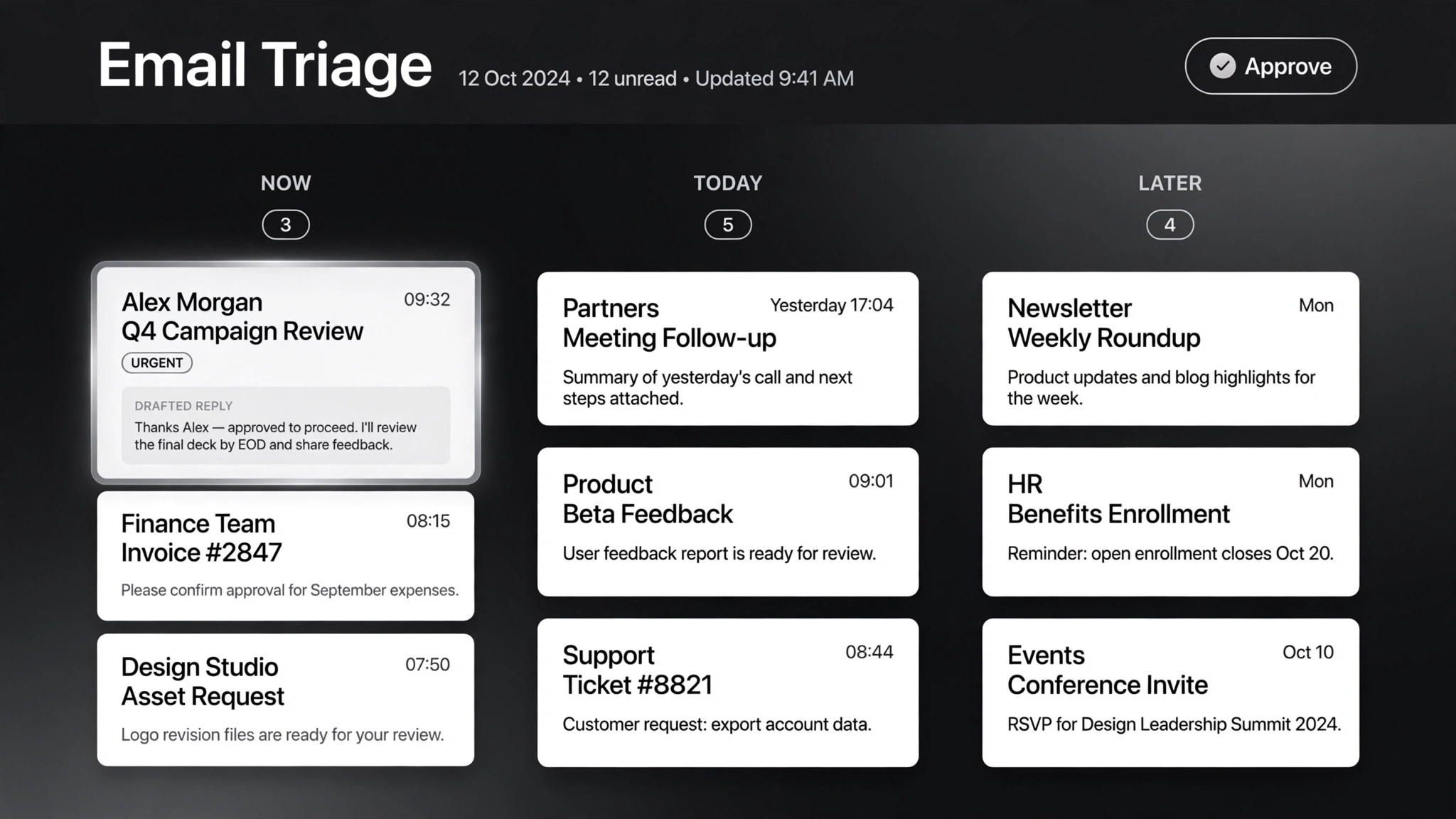
Inbox Triage
La tua casella, già letta: urgenti segnalati, risposte in bozza, tu devi solo premere invio
 Flussi di lavoro
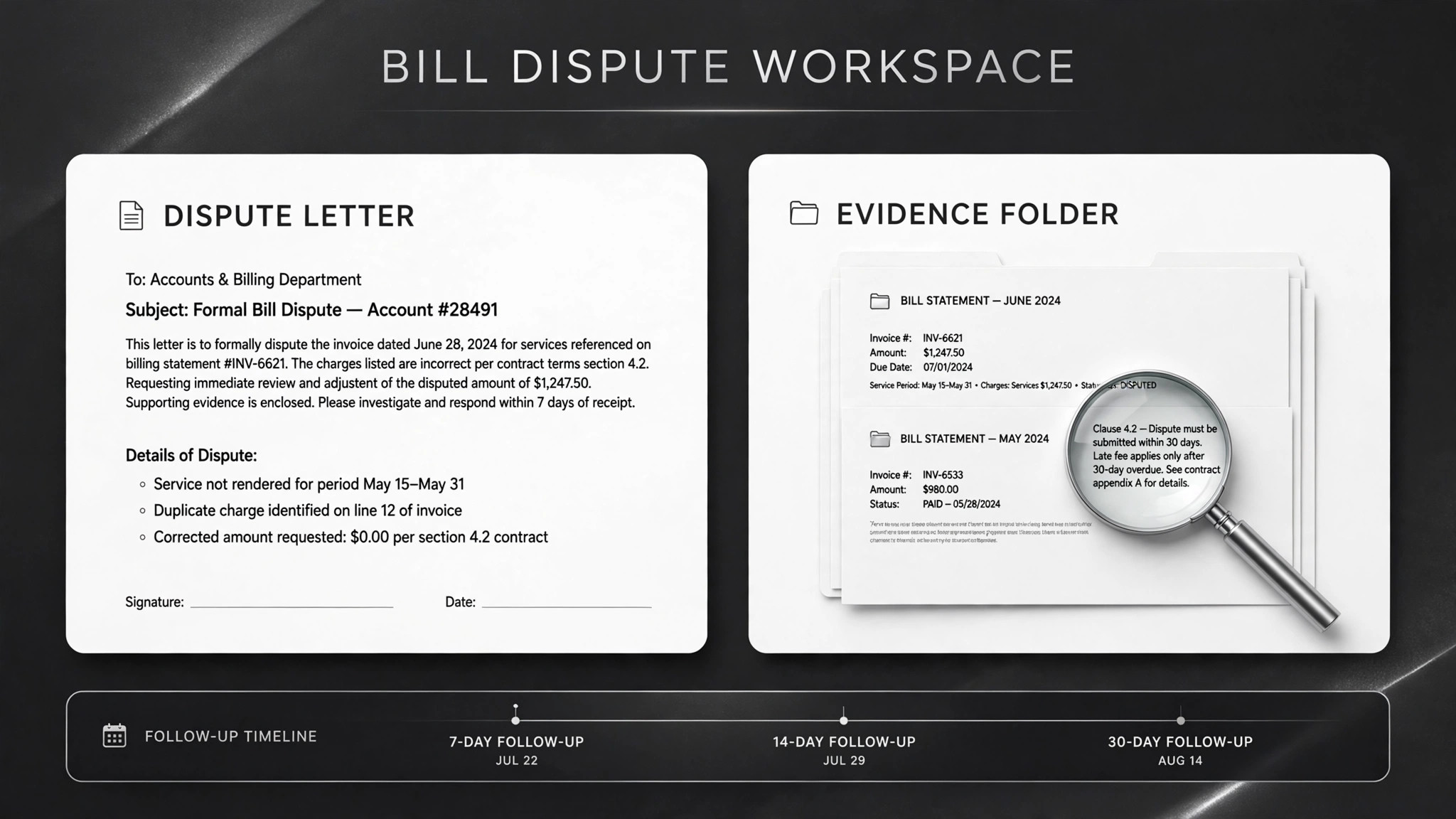
Bill Fighter
Contesta addebiti ingiusti e reclami respinti con lettere supportate dalle prove