Spec-Driven Agent Workflow
Prima scrivi la specifica, poi lascia che sia l'agente a scrivere il codice.
Un workflow in quattro passi — specifica, pianifica, scomponi in task, implementa — che sostituisce il vibe coding a ruota libera con un agente che lavora su requisiti scritti. Tratto dal flusso requirements/design/tasks di AWS Kiro e dal modello specify/plan/tasks/implement di GitHub Spec Kit.
Installala in 3 passaggi
Nessuna registrazione. Nessuno strumento da riga di comando. Scegli la tua AI, copia una riga e incollala.
Preferisci fare da te? Acquista la skill ($4.99), scarica lo ZIP dalla conferma d'acquisto, decomprimilo nella cartella mostrata sopra e riavvia la sessione della tua AI — stesso risultato. L'hai già acquistata? Il tuo assistente AI può scaricarla per te.
Cosa contiene
Un file SKILL.md (la guida operativa) + un modello di partenza. Un'anteprima:
Spec-Driven Agent Workflow
The idea in one paragraph
Vibe coding asks an agent to write code from a feeling. Spec-driven development asks it to write code from a document. The pattern is simple: write requirements, write a design, break the work into tasks, then let the agent implement task by task. This skill adapts that pattern — visible in AWS Kiro's requirements.md/design.md/tasks.md flow and GitHub Spec Kit's specify/plan/tasks/implement stages — into a workflow any developer can run with any capable coding agent.
What it is built on
- "Vibe coding" was coined by Karpathy in February 2025 and named Collins's word of the year at the end of 2025 (per Imran Khan's November 2026 essay on Medium).
- Khan's essay argues the field is shifting to spec-driven development: AWS Kiro (July 2025, successor to Amazon Q Developer) starts from requirements.md, design.md, and tasks.md; GitHub Spec Kit (September 2025) adds specify, plan, tasks, and implement stages.
- The pressure behind the shift includes quality data: Veracode's 2025 report found roughly 45% of AI-generated code contained OWASP Top 10 vulnerabilities, with an 86% failure rate on XSS; METR research found developers using AI tools took 19% longer (while self-estimating they were 20% faster).
Workflow
- Specify the requirements (input: feature idea -> output: requirements doc). Write what the feature must do, in testable statements, before any code exists. Include the non-goals: what this feature will not do. The agent never sees code until this exists.
- Write the design (input: requirements -> output: design doc). Sketch the architecture, data flow, and interfaces the implementation must follow. The design is the contract the agent codes against; keep it short enough to fit in context.
- Break into tasks (input: design -> output: task list). Split the work into tasks small enough to implement and verify one at a time. Order them so each task's output is the next task's input, and mark which tasks need your review.
- Implement task by task (input: task list -> output: code). Feed the agent one task at a time with the requirements and design attached. Do not let it jump ahead; each task is reviewed before the next begins.
- Verify against the spec (input: finished code -> output: pass/fail per requirement). Check every requirement statement against the implementation. Anything unmet goes back as a new task, not as a vague "fix it."
- Freeze and file (input: verified code -> output: archived spec pack). Store the requirements, design, and task list with the code. The next person — or the next agent — inherits the reasoning, not just the output.
What good looks like
Anteprima del modello
Spec-Driven Feature Worksheet
1. Specify — requirements
Non-goals (what this feature will NOT do): -
2. Plan — design
Architecture sketch:
Data flow:
Interfaces:
3. Tasks
4. Implement — verification log
Il pacchetto della skill (SKILL.md + modello) è scritto in inglese.
Potrebbe piacerti anche
 Flussi di lavoro
Grok Bot Routine Rescue
Find which scheduled routine is eating your weekly pool — and kill it
 Flussi di lavoro
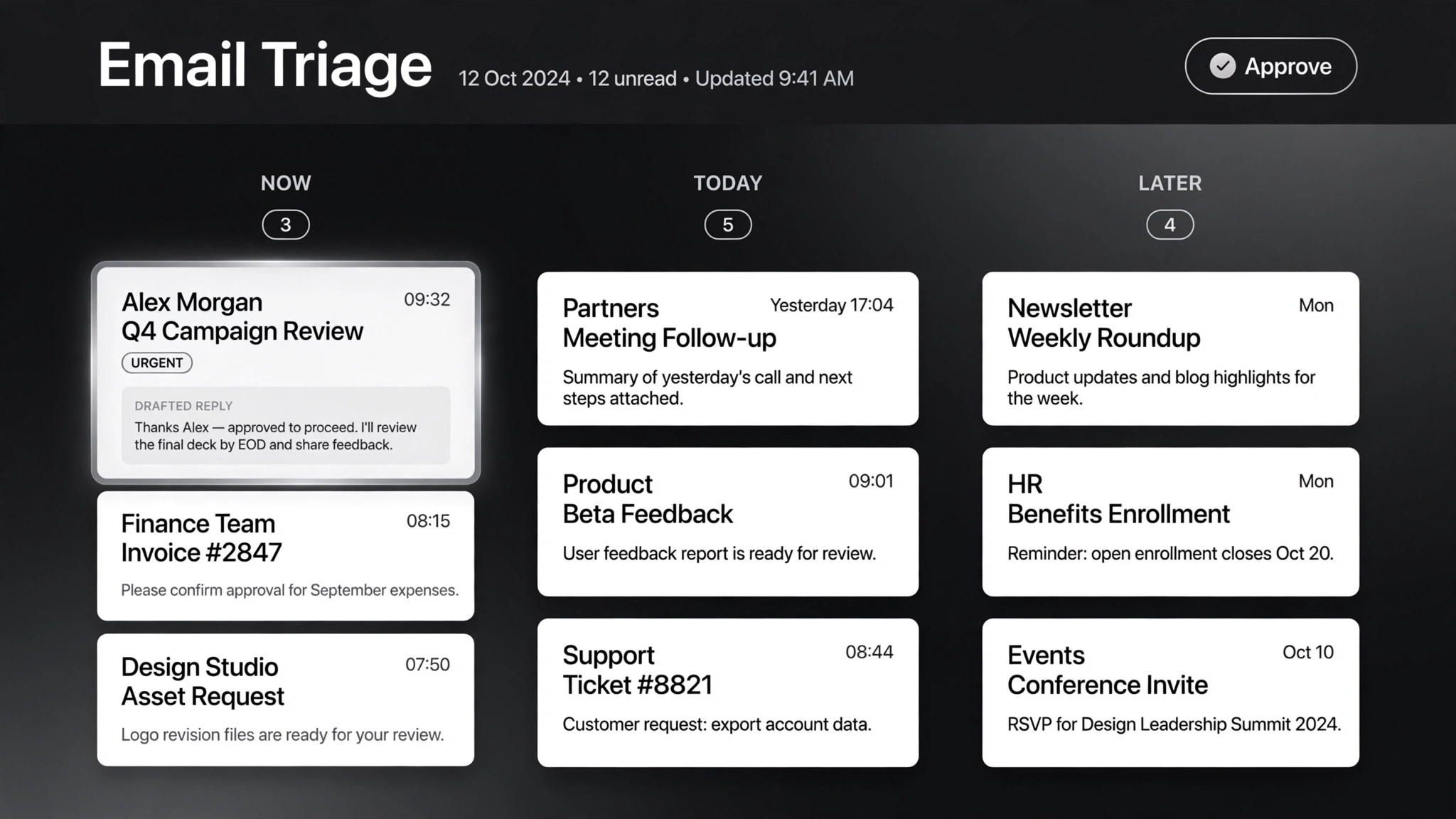
Inbox Triage
La tua casella, già letta: urgenti segnalati, risposte in bozza, tu devi solo premere invio
 Flussi di lavoro
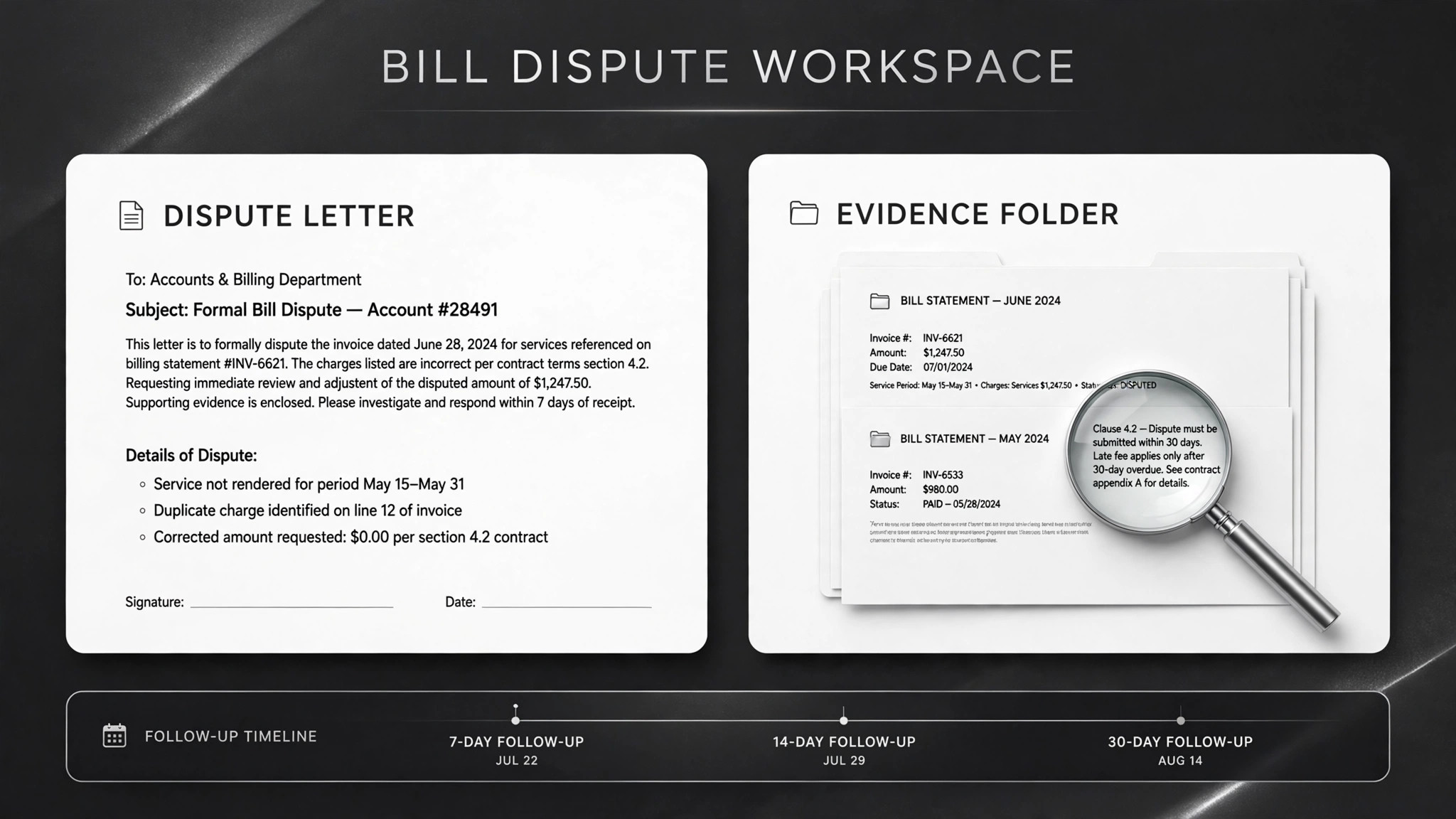
Bill Fighter
Contesta addebiti ingiusti e reclami respinti con lettere supportate dalle prove