Sky Glass Deck
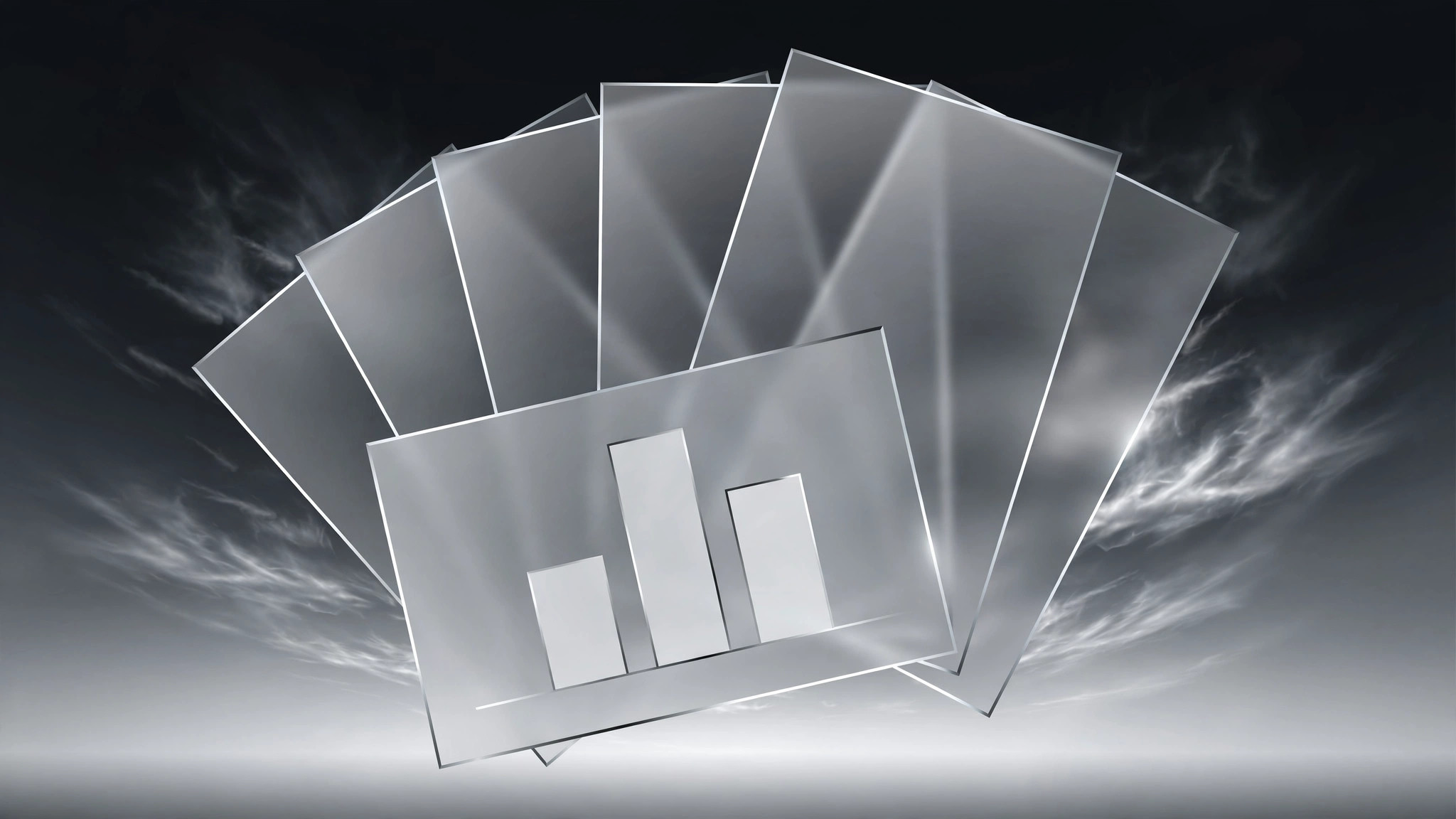
Vetro smerigliato su cielo aperto — slide ariose che restano leggibili.
Trasforma la tua IA in un designer di presentazioni sky-glass — crea una presentazione con un linguaggio visivo di vetro smerigliato su cielo aperto, con pannelli traslucidi, gradienti ariosi e un sistema di slide che mantiene ogni slide leggibile.
Installala in 3 passaggi
Nessuna registrazione. Nessuno strumento da riga di comando. Scegli la tua AI, copia una riga e incollala.
Preferisci fare da te? Acquista la skill ($4.99), scarica lo ZIP dalla conferma d'acquisto, decomprimilo nella cartella mostrata sopra e riavvia la sessione della tua AI — stesso risultato. L'hai già acquistata? Il tuo assistente AI può scaricarla per te.
Cosa contiene
Un file SKILL.md (la guida operativa) + un modello di partenza. Un'anteprima:
Sky Glass Deck
When to use
- A pitch, keynote, or investor deck needs to feel open and modern instead of dense and corporate
- A product launch deck should carry a light, airy look — sky gradients, frosted-glass panels, generous white space
- A conference talk needs slides that look designed but stay readable from the back row
- A brand or agency deck needs a reusable slide system, not ten one-off slides that drift apart
- An existing deck's content is good but its slides are cluttered, and it needs a clean visual reset
Workflow
- Set the deck's story (input: topic + audience → output: outline)
Write the story before touching any visuals: one message per slide, in order, each expressible as a single sentence. A ten-slide deck is ten sentences; if a slide needs two sentences, it is two slides. End with the one action you want the audience to take, and work backwards so every slide earns its place on the way there. - Define the glass system (input: outline → output: style rules)
Fix the visual language in writing before building slides: a sky gradient range (light horizon to soft blue above, used as background, never behind body text), frosted-glass panel rules (translucent fill, thin light border, soft shadow, always over a calm area of the gradient), one typeface family with three sizes (headline, body, caption), and one accent color for the single most important element per slide. Write the rules down — the deck's consistency comes from the rules, not from memory. - Build the master slides (input: style rules → output: masters)
Build four masters and use nothing else: title (full sky gradient, headline on a glass panel), content (calm gradient, one glass panel holding the slide's content), section divider (wide sky, one line of text), and closing (sky, glass panel, single call to action). Every slide in the deck must be one of these four; a fifth layout is a sign the story has a slide that doesn't fit. - Lay out each slide (input: masters + content → output: slides)
For each slide, put the one message in the headline (a claim, not a label — "Teams save three hours a week" not "Time savings"), put the supporting evidence inside the glass panel, and leave at least a third of the slide as open sky. Charts and diagrams sit inside panels on a solid light backing, never directly on the gradient — translucent fills make data hard to read. One slide, one message, one panel; if the content overflows the panel, cut content, not padding. - Check legibility and export (input: slides → output: final deck)
Check every slide at full-screen distance: headline readable in three seconds, body text readable without squinting, and text contrast holding up where the panel crosses a darker part of the gradient (move the panel or calm the gradient — never thin the text). Then export: a presentation file for presenting, and a PDF for sharing. Flip through the PDF once end to end — if any slide makes you pause to decode it, fix that slide before it ships.
Anteprima del modello
Sky Glass Deck — Template
One deck = one story, four masters, one glass system. Story first, visuals second.
Story outline (one sentence per slide, in order)
- {slide message}
- {slide message}
- {slide message}
- {slide message}
- {slide message}
Audience action at the end: {the one thing the audience should do}
Glass system (style rules)
- Sky gradient: {light horizon → soft blue above; 2–3 stops, one family}
- Glass panel: {translucent fill} / {thin light border} / {soft shadow} / {always over a calm area of the gradient}
- Typeface: {one family} — headline {size}, body {size}, caption {size}
Il pacchetto della skill (SKILL.md + modello) è scritto in inglese.
Potrebbe piacerti anche
 Presentazioni
Pitch Deck
10 slide che raccontano una sola storia — gli investitori restano fino all'ultima pagina
 Presentazioni
Work Report
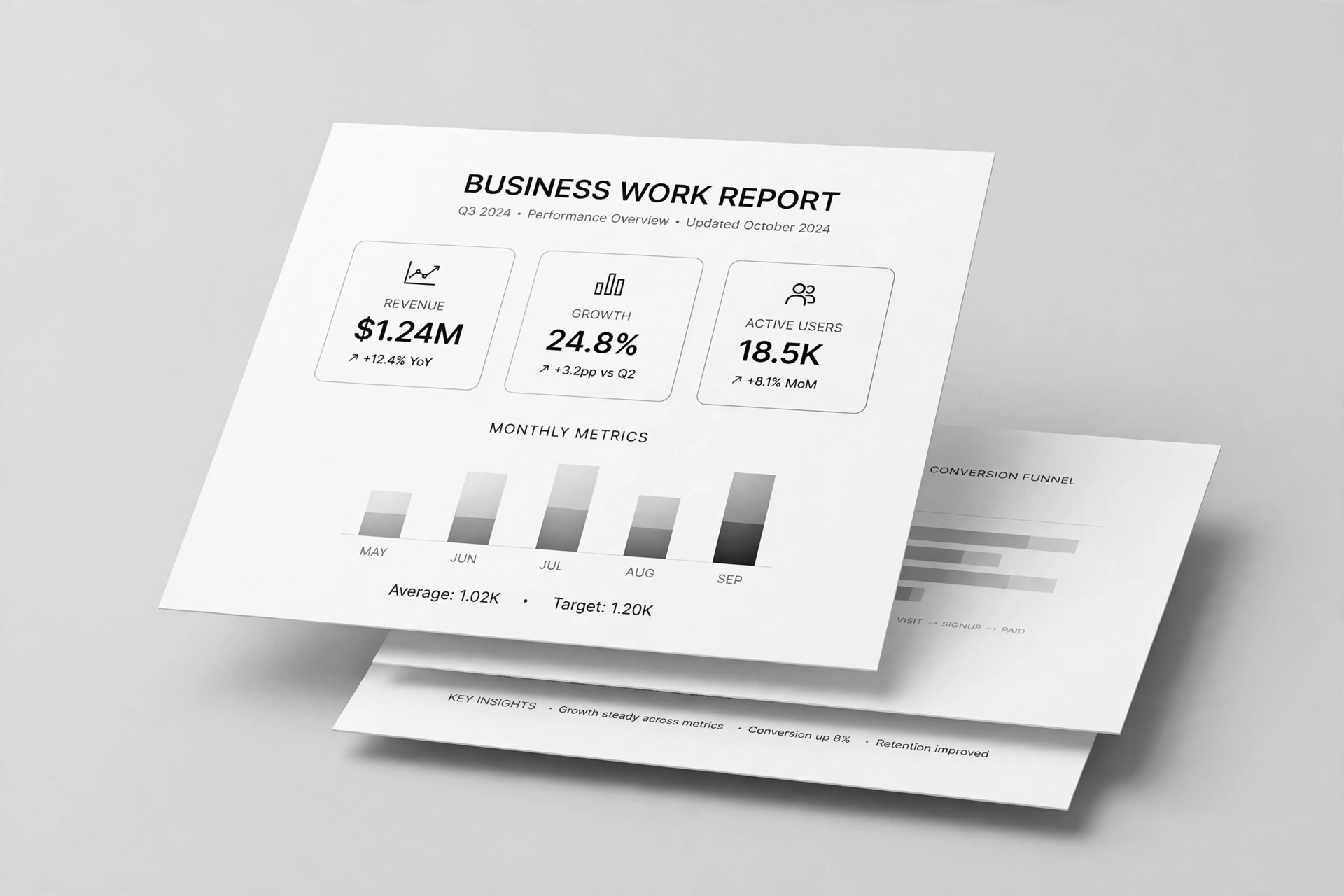
Settimanale, mensile, review — prima la conclusione, si capisce in 3 minuti
 Presentazioni
Academic Argument Deck
Una presentazione che argomenta — e risponde alle obiezioni.