Community Farewell Archive
Turn a community's goodbye into an archive it can keep
Build a farewell archive when a studio, game, or project ends: collect fan memories with permission, moderate with care, and preserve the result in a form the community — not a company — controls.
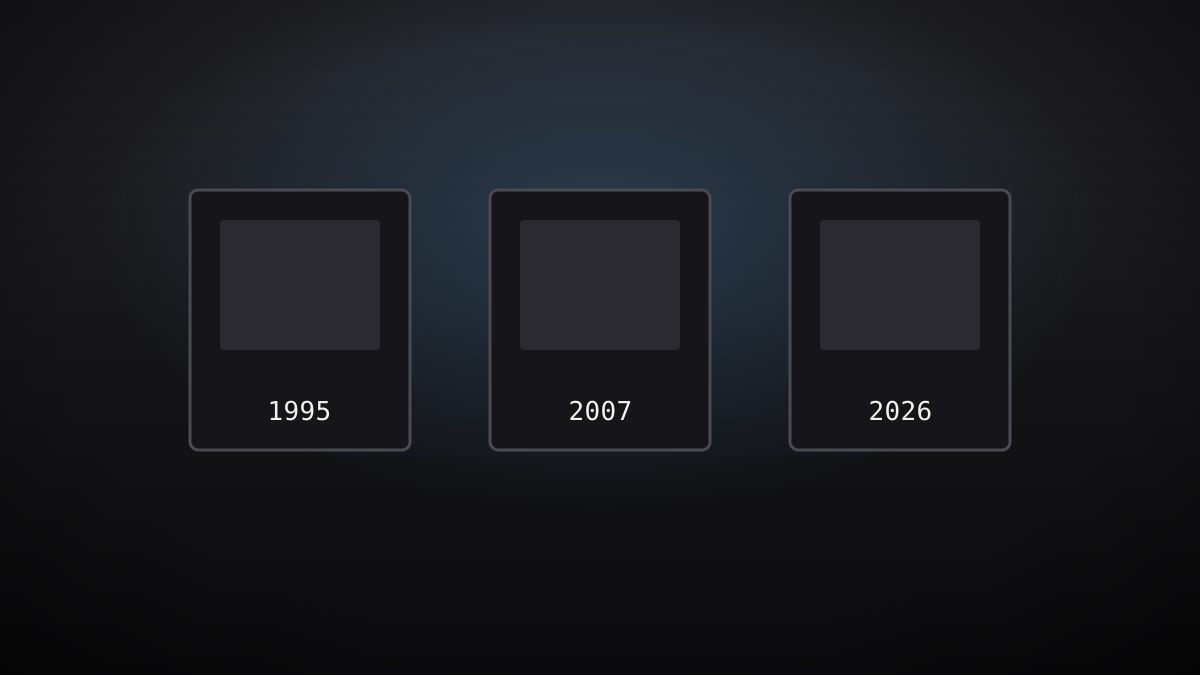
Installez-la en 3 étapes
Sans inscription. Sans outils en ligne de commande. Choisissez votre IA, copiez une ligne, collez-la.
Vous préférez le faire vous-même ? Achetez la compétence ($4.99), téléchargez le ZIP depuis votre confirmation d'achat, décompressez-le dans le répertoire indiqué ci-dessus, redémarrez votre session IA — même résultat. Vous l'avez déjà achetée ? Votre assistant IA peut la télécharger pour vous.
Contenu du pack
Un fichier SKILL.md (le guide pratique) + un modèle de départ. Aperçu :
Community Farewell Archive
The moment
When a beloved studio closes, fans do not just lose future games — they lose the place where they talked about the old ones. BioWare's farewell post in October 2026 thanked fans for "being the most meaningful part of our story," and former writers began sharing memories publicly within hours. A farewell archive catches that wave on purpose: it gives grief a shape, a deadline, and a home that does not depend on any company's servers staying up.
Workflow
- Set the scope (input: the community -> output: one sentence).
Write what the archive is for in one sentence: "everything fans made
and said about these games, 1995–2026, kept by fans." Scope decides
every later argument: what counts, what does not, and when collecting
stops. An archive without a closing date collects forever and finishes
never. - Collect with permission (input: submissions -> output: a rights log).
Every item needs: who made it, permission to preserve and republish it,
and any limits (name withheld, no commercial use). Verbal permission
in a chat thread is not a record — a simple form with a checkbox is.
Items without permission are listed, not published, until permission
arrives. - Moderate for the moment, not for the brand (input: submissions -> output: published set).
Publish grief, anger, and criticism alongside celebration — an archive
that only keeps praise is a brochure. Remove only: harassment of
individuals, personal data, and copyrighted material you do not have
rights to publish. Write the removal reasons down; moderation you
cannot explain will be read as censorship. - Organize by memory, not by product (input: published set -> output: sections).
Sections that work: first encounters, characters who mattered, things
we made, things we argued about, what we will miss. Product timelines
are for wikis; an archive is organized the way people remember. - Preserve in community hands (input: finished archive -> output: two copies + a steward).
Export a full static copy (pages + files, no database required to read
it), store it in two independent places, and name a steward — a person
or a small group — responsible for keeping it readable. Test the
export by opening it on a machine with no account, no login, and no
internet to the original platform.
What good looks like
A year later, a stranger can open the archive and understand, in an evening, why this studio mattered to these people — and the people who built it can point to it and say "that is ours, and it is still there."
Aperçu du modèle
Farewell Archive Worksheet
1. Scope sentence
-
2. Rights log
3. Moderation rules
- Publish (including criticism):
- Remove only:
4. Sections
- First encounters
- Characters who mattered
- Things we made
- Things we argued about
- What we will miss
5. Preservation
- Static export location 1:
- Static export location 2:
- Steward:
Le pack de compétence lui-même (SKILL.md + modèle) est rédigé en anglais.
Vous aimerez aussi
 Réseaux sociaux
Deception Reader
Lisez les signes que les gens ne savent pas qu'ils montrent
 Flux de travail
Grok Bot Routine Rescue
Find which scheduled routine is eating your weekly pool — and kill it
 Présentations
Pitch Deck
10 diapositives, une seule histoire — les investisseurs restent jusqu'à la dernière page