Interactive Simulation Spec Writer
Eine interaktive Simulation spezifizieren: Ziele, Agenten-Verifikationsschritte und Ausstiegsbedingungen.
Eine Spezifikation für eine interaktive Simulation schreiben, so wie sie ein Guiding-Agent lesen würde: das Ziel in verifizierbare Schritte zerlegt, eine bildweise Prüfschleife und klare Ausstiegsbedingungen. Inspiriert vom Gemini-3.8-Flash-in-the-loop-Ansatz aus der Genie-4-Ankündigung.

In 3 Schritten installieren
Keine Anmeldung. Keine CLI-Tools. Wählen Sie Ihre AI, kopieren Sie eine Zeile und fügen Sie sie ein.
Lieber selbst machen? Kaufen Sie den Skill ($4.99), laden Sie die ZIP-Datei aus Ihrer Kaufbestätigung herunter, entpacken Sie sie in das oben angezeigte Verzeichnis und starten Sie Ihre AI-Sitzung neu — gleiches Ergebnis. Haben Sie ihn schon gekauft? Ihr AI-Assistent kann ihn für Sie herunterladen.
Was ist enthalten
Eine SKILL.md (die Anleitung) + eine Startvorlage. Eine Vorschau:
Interactive Simulation Spec Writer
The idea in one paragraph
A simulation you can walk into needs more than a pretty world — it needs a plan for what should happen inside it. The Genie 4 announcement describes a guiding agent (Gemini 3.8 Flash) that looks at frames, breaks a goal into steps, and verifies each step. This skill turns that pattern into a writing method: you write the goal, decompose it into checkable steps, define how each step gets verified, and set the conditions that end the run. The output is a spec any builder — human or agent — can execute against.
What it is built on
- Per DeepMind's October 27, 2026 blog post, a Gemini 3.8 Flash guiding agent operates in the loop: it observes frames, decomposes a goal into steps, and verifies each step as it runs.
- DeepMind lists four advances for Genie 4: stronger photorealism, smoother motion, native generated audio, and longer coherence of about 2 minutes (TechCrunch), roughly double Genie 3.
- Genie 4 is a research preview for trusted testers with a waitlist; Google plans access for Google AI Ultra subscribers (inside Project Genie) and early Gemini API / AI Studio partners. No dates, prices, or published benchmarks were announced.
- DeepMind publicly acknowledges limitations including drift, object permanence, physics, and legible text — a spec must account for these rather than assume them away.
Workflow
- State the goal in one sentence (input: idea -> output: goal statement). Write what the explorer should experience or accomplish, in plain language. If it needs a second sentence, it is two goals — split it.
- Decompose into checkable steps (input: goal -> output: numbered step list). Break the goal into steps where each one has a yes/no completion test. A step like "explore the market" is not checkable; "reach the fountain at the market's center" is.
- Define the verification loop (input: steps -> output: check procedure). For each step, write how completion is verified — what the guiding agent looks at, and what counts as evidence. Borrow the in-the-loop pattern: observe, compare against the step's test, then proceed.
- Write the exit conditions (input: steps + loop -> output: exit rules). Define when the run ends: goal reached, explorer types a stop command, a time limit hits, or the world drifts past a tolerance you set. Every run needs at least two exit conditions.
- Add failure handling (input: spec draft -> output: fallback rules). Decide what happens when a step cannot be verified — retry once, skip and log, or abort the run. Never let a stuck step spin forever.
- Freeze the spec (input: full draft -> output: signed spec). Read it end to end as the person who must execute it. If any step is ambiguous, rewrite it now; ambiguity compounds in a live simulation.
Vorschau der Startvorlage
Interactive Simulation Spec Template
Goal
_One sentence: what the explorer experiences or accomplishes._
Steps (each with a yes/no completion test)
Verification loop
_How each step is verified (what to observe, what counts as evidence):_
Exit conditions (at least two)
1. 2.
Failure handling
_What happens when a step cannot be verified: retry / skip+log / abort._
Spec metadata
- Target model:
- Date written:
- Known limits assumed:
Das Skill-Paket selbst (SKILL.md + Vorlage) ist auf Englisch verfasst.
Das könnte Ihnen auch gefallen
 Workflows
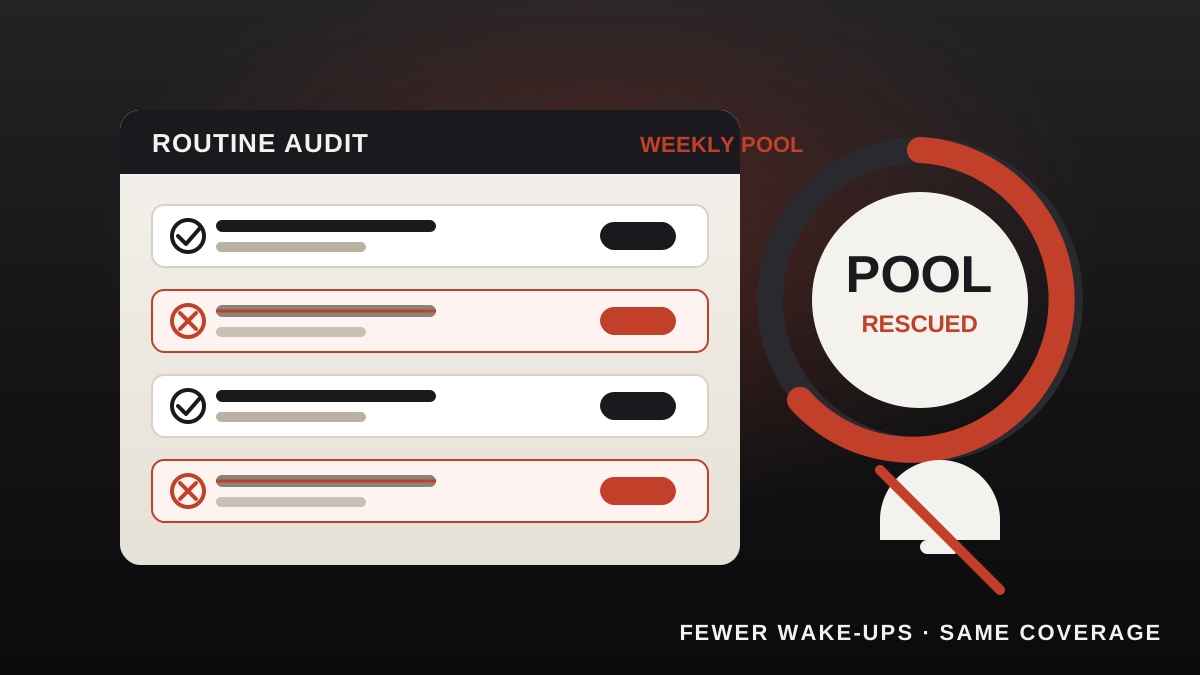
Grok Bot Routine Rescue
Find which scheduled routine is eating your weekly pool — and kill it
 Workflows
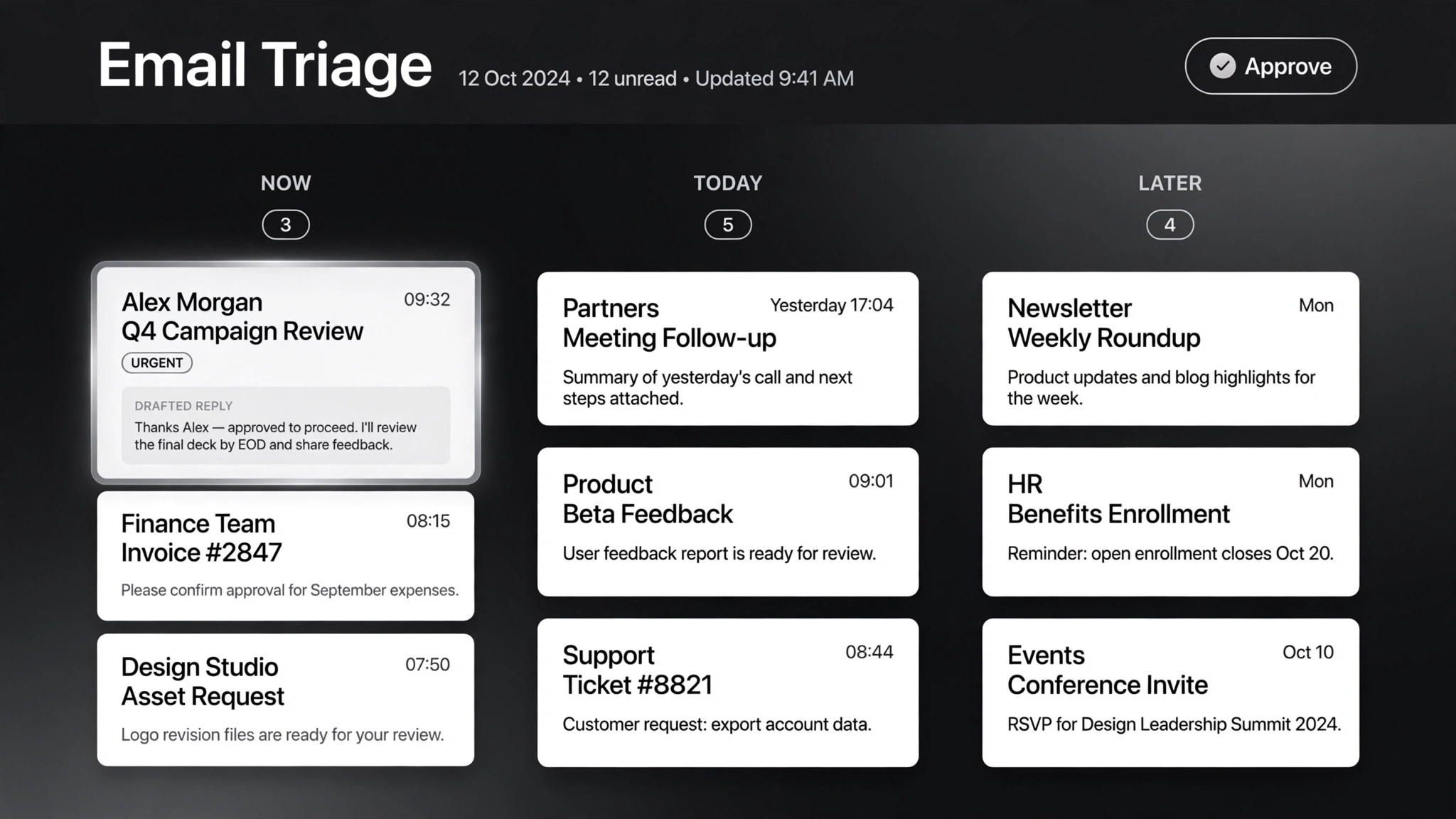
Inbox Triage
Ihr Postfach, vorsortiert: Dringendes markiert, Antworten entworfen, Sie klicken nur noch auf Senden
 Workflows
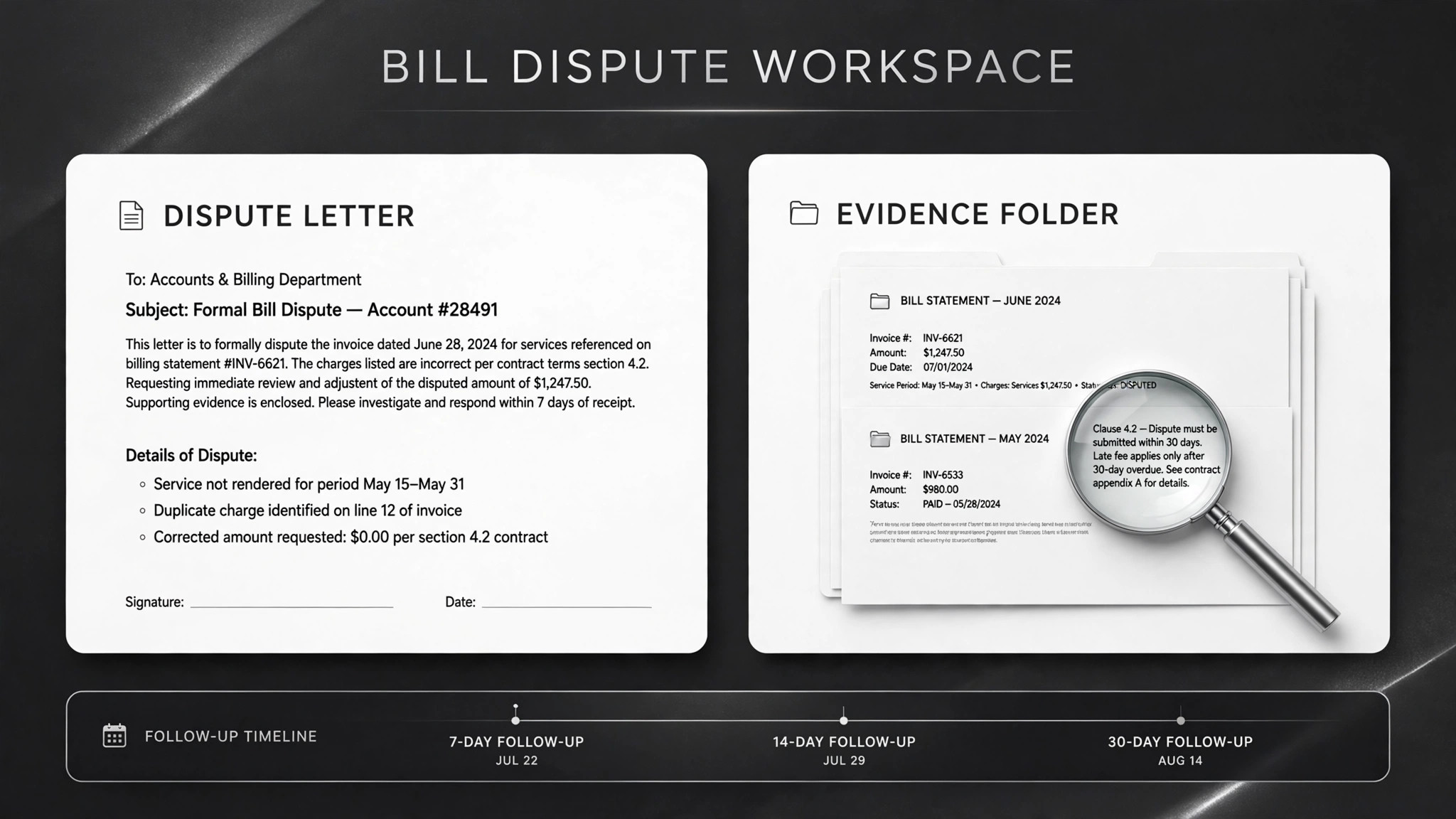
Bill Fighter
Fechten Sie Überpreise und abgelehnte Ansprüche mit beleggestützten Schreiben an