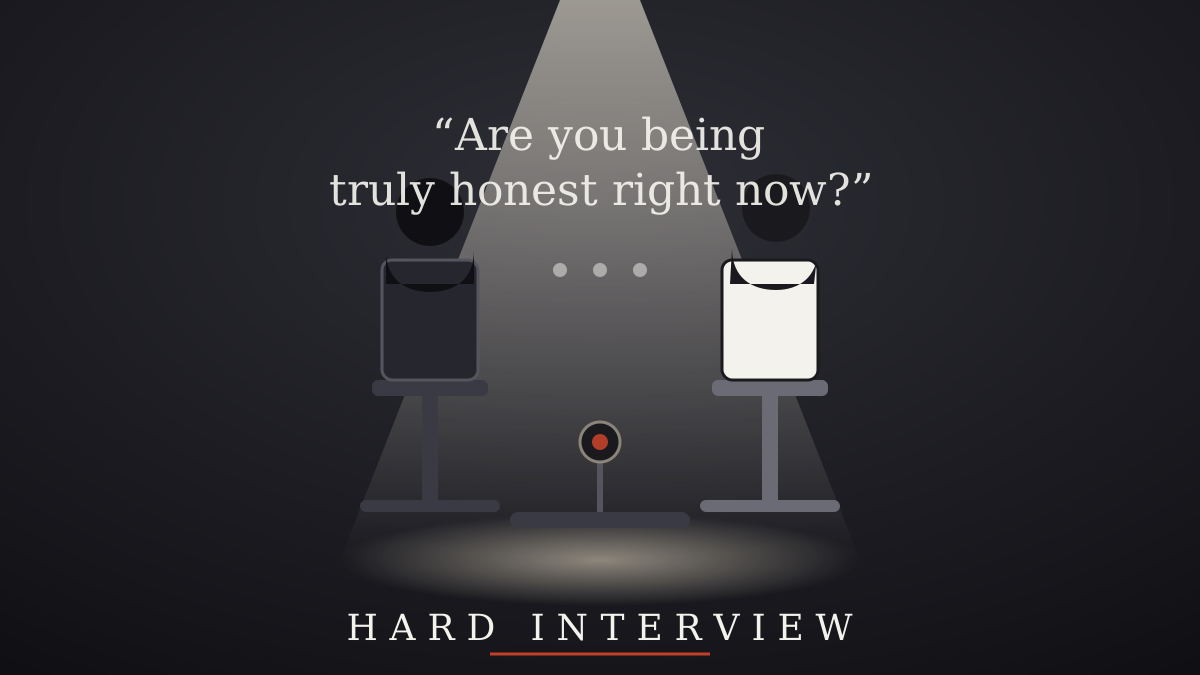
Hard Interview
Stellen Sie die Fragen, die andere nicht stellen, erhalten Sie die Antworten, die sie verbergen
Konfrontative Interview-Technik: trockene Direktheit, strategische Pausen, die Probanden sich selbst offenbaren lassen, und Frage-Bögen, die vom Aufwärmen zum Druck führen. Für Journalisten, Einstellungsmanager und Forscher, die Wahrheit von widerwilligen Probanden brauchen.
In 3 Schritten installieren
Keine Anmeldung. Keine CLI-Tools. Wählen Sie Ihre AI, kopieren Sie eine Zeile und fügen Sie sie ein.
Lieber selbst machen? Kaufen Sie den Skill ($4.99), laden Sie die ZIP-Datei aus Ihrer Kaufbestätigung herunter, entpacken Sie sie in das oben angezeigte Verzeichnis und starten Sie Ihre AI-Sitzung neu — gleiches Ergebnis. Haben Sie ihn schon gekauft? Ihr AI-Assistent kann ihn für Sie herunterladen.
Was ist enthalten
Eine SKILL.md (die Anleitung) + eine Startvorlage. Eine Vorschau:
Hard Interview
When to use
- You are interviewing someone who has every incentive to dodge:
a CEO after a bad quarter, a politician with a scandal,
a job candidate who keeps polishing their story - Your subject speaks in rehearsed talking points and you need them
to say one real thing on the record - You need to fact-check a claim live, on camera or on the record,
without giving the subject time to spin - You are hiring for a high-stakes role and want to see how a candidate
handles direct pressure, not just how they answer softballs - You are researching a story and the official sources are all telling you
the same coordinated story - You have one shot at this person — no follow-up interview —
and you cannot afford to walk away with nothing quotable
Workflow
- Research the subject (input: interview target and purpose → output: subject dossier)
Build a dossier before you write a single question. Collect: every public claim they have made on your topic (with dates and exact quotes), the contradictions between their statements over time, the numbers that don't add up in their story, what their allies say about them, what their critics say, and the one fact they least want to discuss.
Interview them about their own record, not about your theory — the power of a hard question is that it comes from their own mouth.
Mark three levels of sensitivity: safe topics (warm-up material), uncomfortable topics (the real interview), and the third rail (the question they will want to walk out over — you may only get to ask it once).
A dossier that says "he's evasive" is useless; a dossier that says "on March 3 he said X, on March 9 he said the opposite of X" is a weapon.
- Design the question arc (input: dossier → output: the arc, warm-up → pressure → silence)
Structure the interview in three movements.
Warm-up (roughly the first third): easy factual questions that make the subject comfortable and — critically — put their version of events on the record in their own words. Don't waste warm-up on throat-clearing; every question should be pinning down a baseline you can later contrast.
Pressure (the middle): the questions they don't want, ordered from least to most explosive, each anchored to a specific contradiction or fact from the dossier — never "some people say," always "you said X on March 3, then Y on March 9; which was it?"
Silence (the finale): for the hardest question, ask it plainly and then stop talking. Dead air is the hardest interviewer's best tool — most subjects cannot tolerate more than a few seconds of silence and will fill it with the unguarded version of their answer. Do not rush to rescue them.
Script your follow-ups for each pressure question in advance: the exact sentence you will say when they dodge, not a vague "push harder."
- Run the interview (input: the arc → output: the session)
Open with the warm-up questions and lock their story down — repeat their key claims back to them ("So your position is…") so they can't later pretend they said something else.
Escalate into pressure with a tone shift that is deliberate but not hostile: flat, even, almost bored. Hostility lets them play victim; deadpan calm gives them nothing to push against.
When they dodge, use the three moves: the repeat ("You didn't answer the question — was it X or Y?"), the silence (ask again, word-for-word, then wait), and the quote ("Your own filing says the opposite — help me understand which is true").
Never ask two questions at once — a compound question lets them answer the easy half.
Never react to what they say: no nods of agreement, no shocked face, no "interesting." Your face should give them zero information about whether they're surviving or sinking, because any reaction becomes data they use to steer.
If they threaten to walk out, do not beg and do not bluster — calmly note what they'll be leaving unanswered, which puts the cost of leaving on them.
- Handle the dodges (input: live evasion → output: containment)
Evasion has a small number of forms and each has a counter.
The filibuster (talking at length about anything else): interrupt politely once — "I want to make sure we get to everything, so let me bring you back to the question" — and if it continues, interrupt impolitely and say so.
The attack ("that's a biased question"): do not defend the question; the question is anchored in their own record, so say exactly that — "It's based on your statement of March 3."
The bridge ("the real issue is…"): let them have one sentence of the bridge, then return — "We'll come to that; first, the question."
The amnesia ("I don't recall"): treat it as an answer and move to the document — "Your email of April 2 says otherwise; did you write that?"
The walkout threat: see step 3.
Log every dodge in real time with a timestamp — a transcript where the subject dodged five times is itself the story.
- Post-interview analysis (input: recording + transcript → output: truth report)
Within 24 hours, do the analysis while it's fresh.
First, the quote sheet: every direct quote that advances the story, with timestamps.
Second, the dodge log: every evaded question, what the evasion was, and what the evasion implies (people dodge hardest where the truth is most damaging — the dodge map is a map of where the bodies are).
Third, the contradiction sheet: every place their interview answers conflict with the dossier or with their earlier answers in the same interview — contradictions inside one session are the most damaging because they can't blame misquoting.
Fourth, the unguarded moments: what they said in the silences, the half-sentences they corrected, the things they said when they thought the interview was over (keep recording until you leave the room).
Finally, the fairness check: read the whole thing as their lawyer would and flag anything where the question was unfair — a hard interview only survives scrutiny if the questions were fair.
Vorschau der Startvorlage
Hard Interview Pack
Subject dossier
- Subject: […]
- Interview purpose (one sentence): […]
- Key claims on the record (with dates and exact quotes):
- [date] "[exact quote]" — source: […]
- [date] "[exact quote]" — source: […]
- Contradictions found:
- Claim A ([date]) vs. Claim B ([date]): […]
- Numbers that don't add up: […]
- What allies say: […]
- What critics say: […]
- The fact they least want to discuss: […]
Sensitivity levels
- Safe (warm-up material): […]
- Uncomfortable (the real interview): […]
- Third rail (ask once, if ever): […]
Question arc
Warm-up (baseline-pinning):
- […]
- […]
- […]
Das Skill-Paket selbst (SKILL.md + Vorlage) ist auf Englisch verfasst.
Das könnte Ihnen auch gefallen
 Workflows
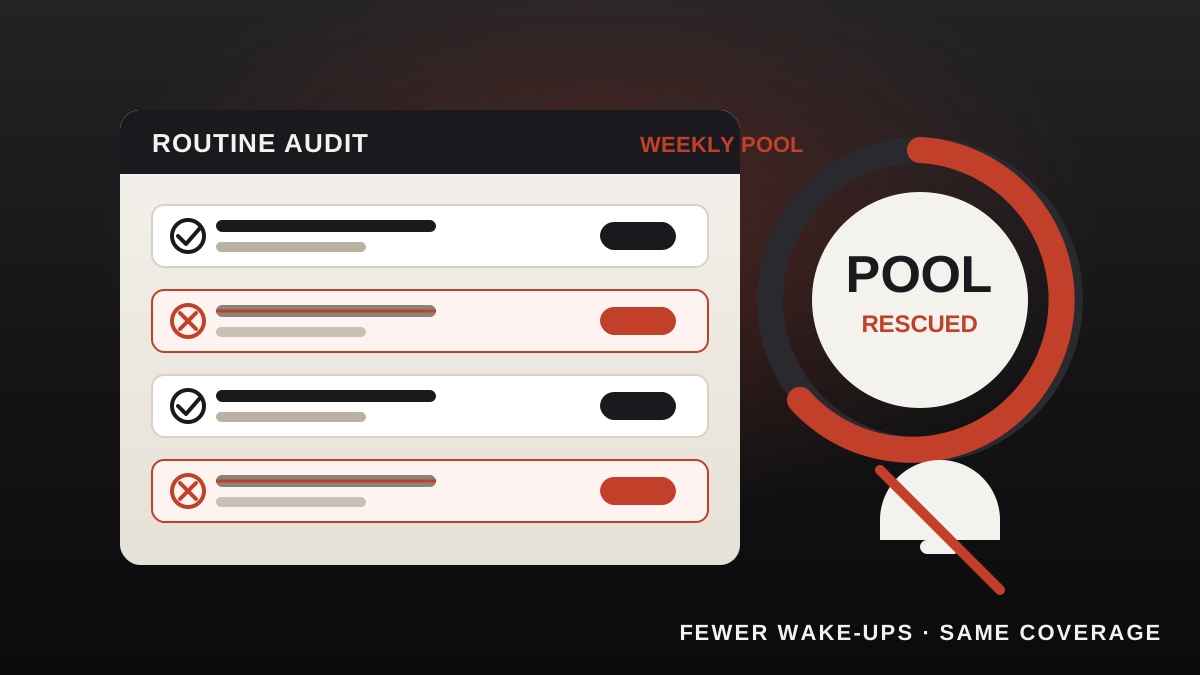
Grok Bot Routine Rescue
Find which scheduled routine is eating your weekly pool — and kill it
 Workflows
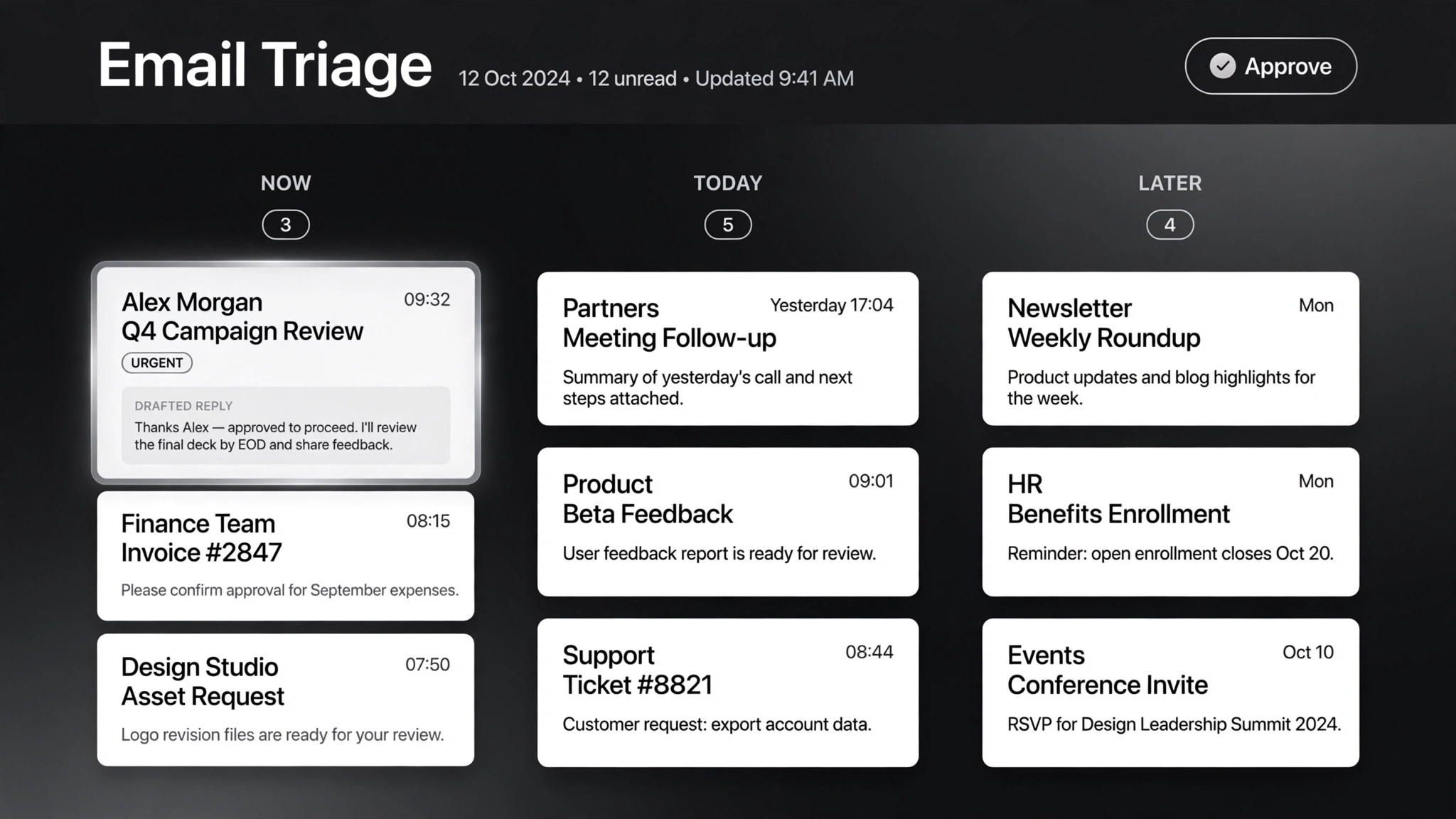
Inbox Triage
Ihr Postfach, vorsortiert: Dringendes markiert, Antworten entworfen, Sie klicken nur noch auf Senden
 Workflows
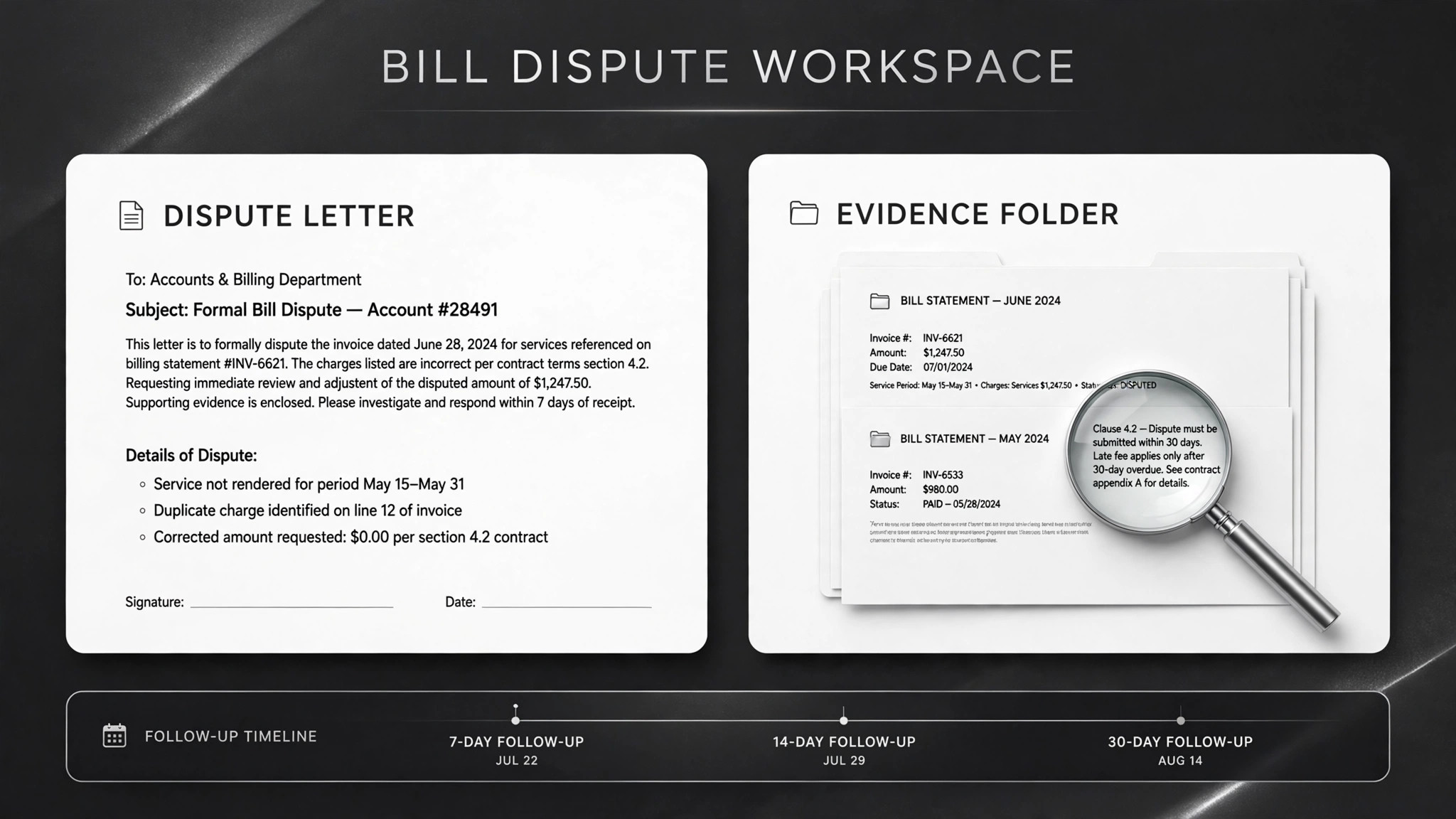
Bill Fighter
Fechten Sie Überpreise und abgelehnte Ansprüche mit beleggestützten Schreiben an