CVE-2026-98432: the kernel flaw a research model exploited — cve 2026 98432 triage guide
cve 2026 98432 is a critical Linux kernel flaw: a race condition in the IPv4 TCP handshake, scored CVSS 3.1 9.8, affecting kernels since 4.4. Before it was fully patched, an unreleased Claude research model wrote a working remote-root exploit for it in 53 minutes — no credentials needed. This guide helps you triage your own patch status and communicate the risk clearly.
Skills for cve 2026 98432
Three practical skills built from the disclosure: triage your fleet's patch status, review AI-found vulnerabilities responsibly, and write advisories your users can act on.
 Security
Kernel Patch Triage Kit
Know which servers are fixed, which are waiting, and which to patch first — in one pass.
 Security
AI Red-Team Finding Review
When an AI red-team run hands you a possible vulnerability, turn the finding into a verified, graded, responsibly-disclosed report.
 Docs
Incident Disclosure Communicator
Turn a vulnerability disclosure timeline into a clear advisory your users can actually act on.
Case studies: cve 2026 98432
Real-world case studies. Original summaries by AI Services Market — each links to the skills it demonstrates.
53 Minutes to Root
Per Anthropic’s October 27 blog post, an unreleased Claude research model wrote a working remote-root exploit for CVE-2026-98432 — a kernel …
Read case → 2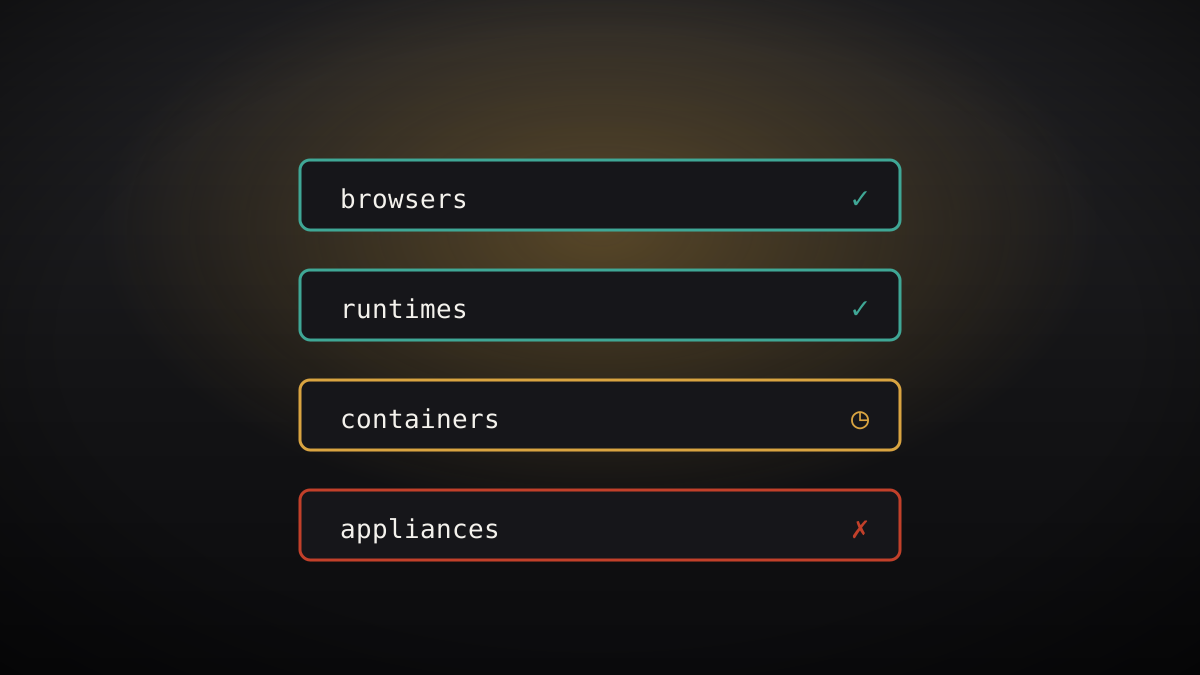
Who Is Patched, Who Is Not
CVE-2026-98432 is a race condition / use-after-free in the Linux kernel’s IPv4 TCP handshake, rated CVSS 3.1 9.8 (Critical) and affecting ev…
Read case → 3
Disclosed, Not Yet Exploited
The disclosure timeline is clean: researcher Xinyang Ge reported the flaw, Eric Dumazet authored the fix on October 1, and the kernel team p…
Read case →cve 2026 98432: questions, answered
Facts first — and the skill each question points to.
What is cve 2026 98432?
CVE-2026-98432 is a race condition / use-after-free in the Linux kernel's IPv4 TCP handshake, where connection-request data can be freed while another CPU is still reading it. The kernel CNA scored it CVSS 3.1 9.8 (Critical), and it affects kernels since 4.4 (2016). To check where your own systems stand, work through Kernel Patch Triage Kit.
Am I affected by cve 2026 98432?
You are affected if you run a Linux kernel between 4.4 and the fixed versions without your distro's backported patch. Check your running kernel against the fixed list (5.10.272, 5.15.223, 6.1.190, 6.6.159, 6.12.113, 6.18.56, 7.2.10, 7.3) and your distro's advisory — Ubuntu was still listed as vulnerable as of November 1. The triage worksheet in Kernel Patch Triage Kit walks you through this check host by host.
How did a research model exploit this flaw?
Per Anthropic's October 27 blog post, an unreleased Claude research model wrote a working exploit against MPTCP listeners: a kernel pointer leak plus callback corruption leading to a root shell, with no credentials required. The reported timeline was about 48 minutes for the leak and 5 more minutes to root. If you receive AI-generated findings like this, AI Red-Team Finding Review shows how to validate and disclose them responsibly.
Which kernel versions contain the fix?
The fixed upstream kernels are 5.10.272, 5.15.223, 6.1.190, 6.6.159, 6.12.113, 6.18.56, 7.2.10, and 7.3, released between October 11 and October 18. Distro kernels may carry the fix as a backport under a different version number, so always confirm against your vendor's advisory. Kernel Patch Triage Kit covers how to match hosts to fixed lines without guessing.
Is my Linux distribution patched?
It depends on the distro and the date you check. Red Hat raised the issue to Critical on October 30, published an nftables interim filtering rule, and pushed RHEL 8/9/10 fixes on November 1. Ubuntu was still listed as vulnerable as of November 1, and Debian, Oracle, Amazon, and SUSE were partially patched. Record each vendor's status per host using Kernel Patch Triage Kit.
Has CVE-2026-98432 been exploited in the wild?
As of November 1, there was no confirmed exploitation in the wild, and the CVE had not been added to CISA KEV. That said, a working exploit was demonstrated by a research model, so the absence of observed attacks is not a reason to delay patching. When you communicate this kind of uncertainty to users, Incident Disclosure Communicator helps you state it honestly.
Why are Caddy users affected if this is not a Caddy bug?
Go 1.24 and later enable MPTCP by default, and the flaw lives in the kernel's TCP handling of MPTCP listeners — so Caddy servers running on vulnerable kernels are exposed through no fault of Caddy itself. The fix belongs at the kernel or distro level. Kernel Patch Triage Kit includes exposure factors like this in its priority ranking.
What should I do first if I run Linux servers?
Inventory every host's running kernel and distro release, match each against the fixed kernel list and your vendor's advisory, then patch in order of exposure — internet-facing and MPTCP-listening systems first. Where no fix is available yet, apply the vendor's interim mitigation. The full pass is laid out in Kernel Patch Triage Kit, and Incident Disclosure Communicator helps if you need to tell your own users.
How should I handle a vulnerability found by an AI red team?
Treat the model's output as a claim to verify: reproduce it in an isolated lab you own, grade the real impact with its preconditions stated plainly, report it to the vendor with your own reproduction notes, and agree on a disclosure timeline before publishing anything. Never test against systems you do not own. The step-by-step process is in AI Red-Team Finding Review.
How do I write a good security advisory for my users?
Lead with a two-sentence summary, then a plain checklist of who is affected (including who is not), then an ordered action list with exact commands or links, and finally the dated timeline with sources. Have it reviewed for both technical accuracy and clarity, and timestamp every update. Incident Disclosure Communicator provides the full template, using the October 15 to November 1 disclosure arc as the worked example.
Inspired by the CVE-2026-98432 disclosure (October 2026). Summaries are our own; facts from Anthropic, the kernel team, and public reporting.