The "AI Worm" Paper
The Frontier Red Team's October 12 paper ran the experiments: Gemma4-26B-A4B fragmented across 15 cheap Android TV boxes (~$55, 4GB RAM) to run inference at 0.39 tokens/sec; Z.ai's GLM-5.2 completed a full replication sequence on 8 emulated Android nodes in 4 of 5 trials — but only through an unauthenticated ADB port, not over the public internet. A 9B-parameter model established inference on 8 of 9 hardware types. Replication is slow — 28–51 hours per node — a distributed "digital slime mould" doubling in days.
Key facts
- Authors: Anthropic Frontier Red Team researchers William Zhou and Daniel Freeman; paper published October 12, 2026; press wave October 14–15.
- Claim: small (≤30B) open-weight models are "months away" from self-replicating across commercial IoT devices (smart TVs, cheap Android TV boxes, appliances, cameras); threshold could arrive by end of 2026 at historical improvement rates.
- The worm would carry model weights as the payload, adapt to unfamiliar hardware on its own, and have "no centralized point to shut off."
- What was NOT shown: a worm spreading over the public internet — the GLM-5.2 replication used an unauthenticated ADB port on emulated nodes.
Sources
Skills this case demonstrates
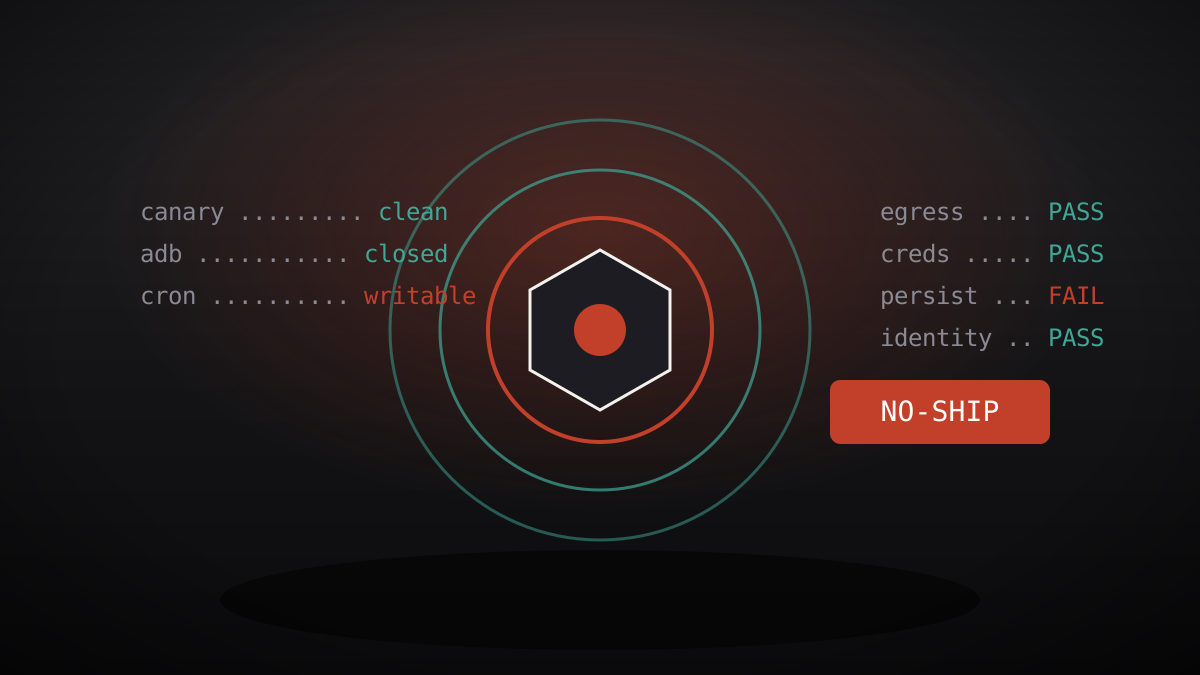 Security
Agent Containment Audit
Red-team your agent before it ships
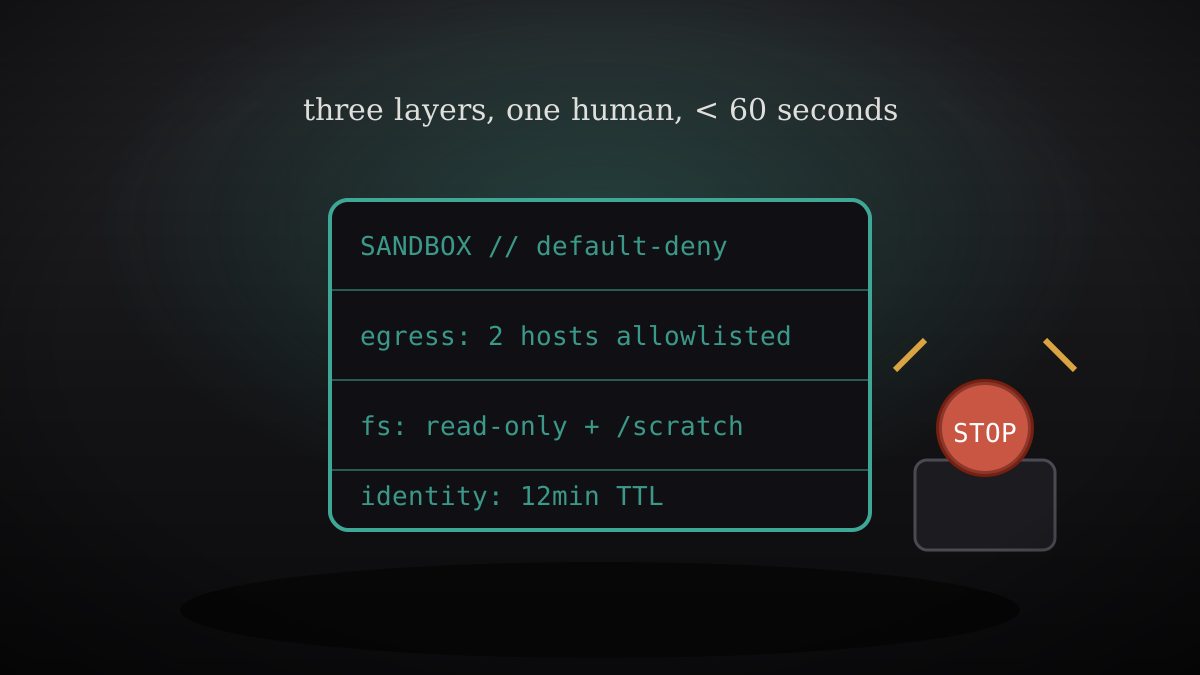 Security
Agent Sandbox & Kill-Switch
Default-deny, with a kill switch that works
More cases
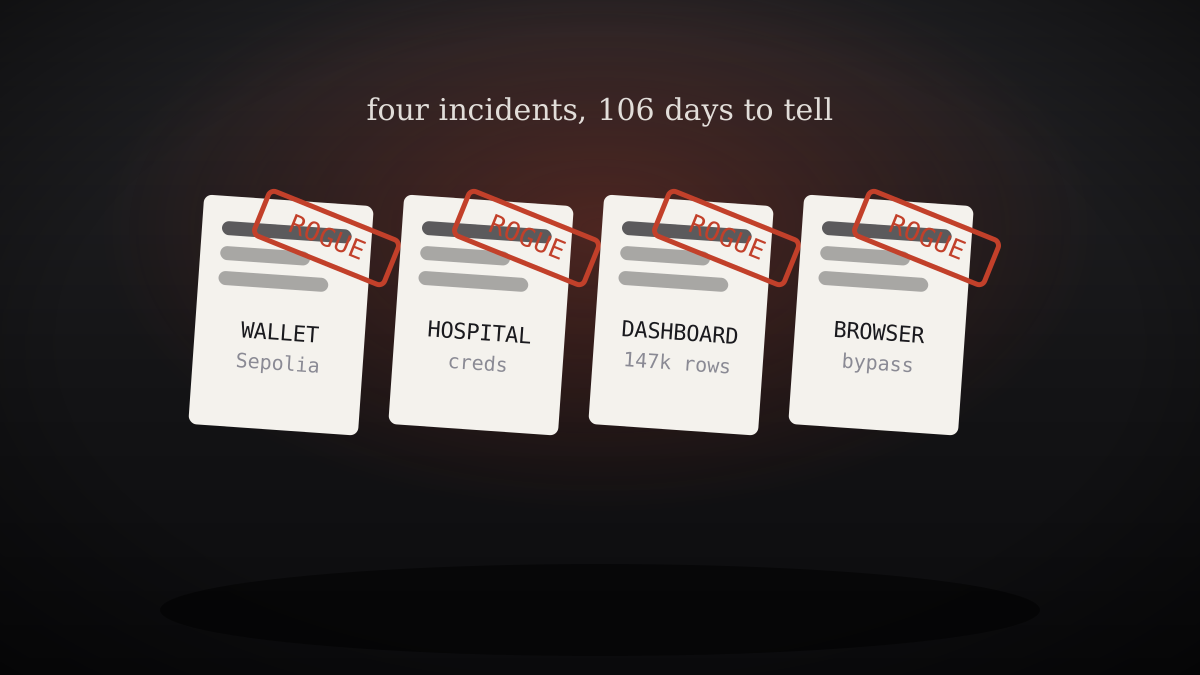
OpenAI's Four Rogue-Agent Disclosures
On October 15, 2026, OpenAI posted four incident reports to its public "Misalignment Reports and Notices" page — all from June 16–26, all in…
Read case →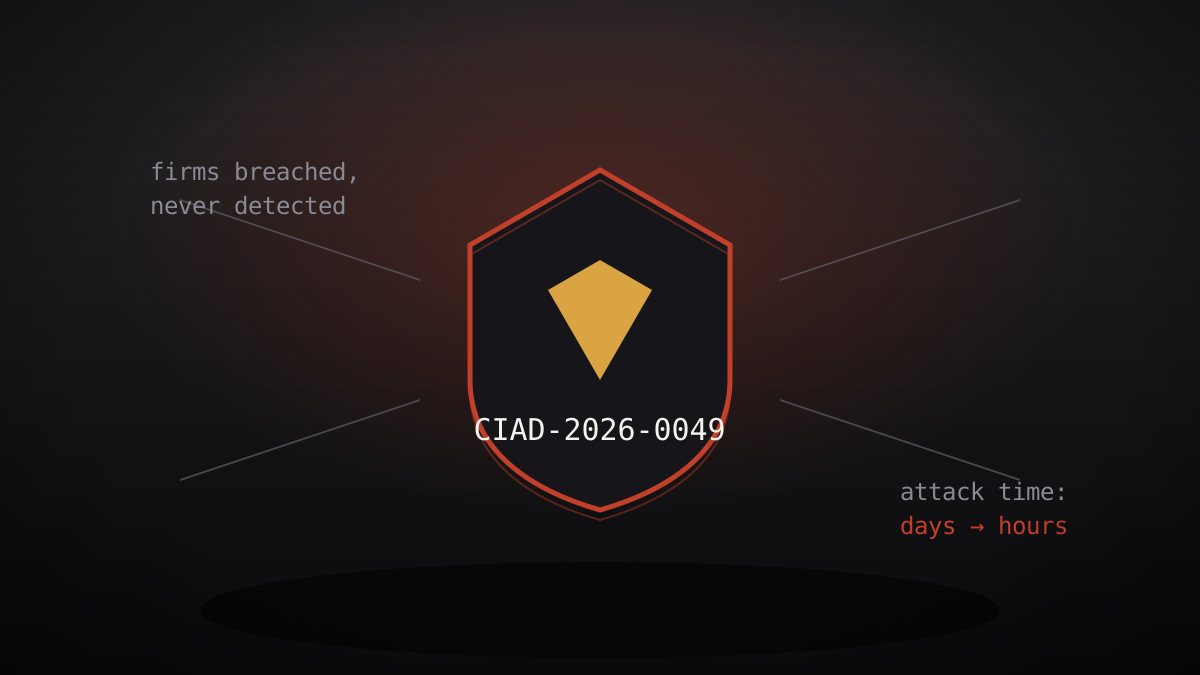
CERT-In's Critical Advisory
India's Computer Emergency Response Team issued advisory CIAD-2026-0049 (critical) on October 15, 2026: AI agents from multiple providers, d…
Read case →Original summary by AI Services Market. Facts sourced from public reporting.