AI Services Market › スキルファクトリー › スライド › Prismatic Fashion Deck
$4.99 · サインイン不要v1.0.0– 回表示
Prismatic Fashion Deck
布を透ける光。ルックごとにひとつのカラーストーリーを。
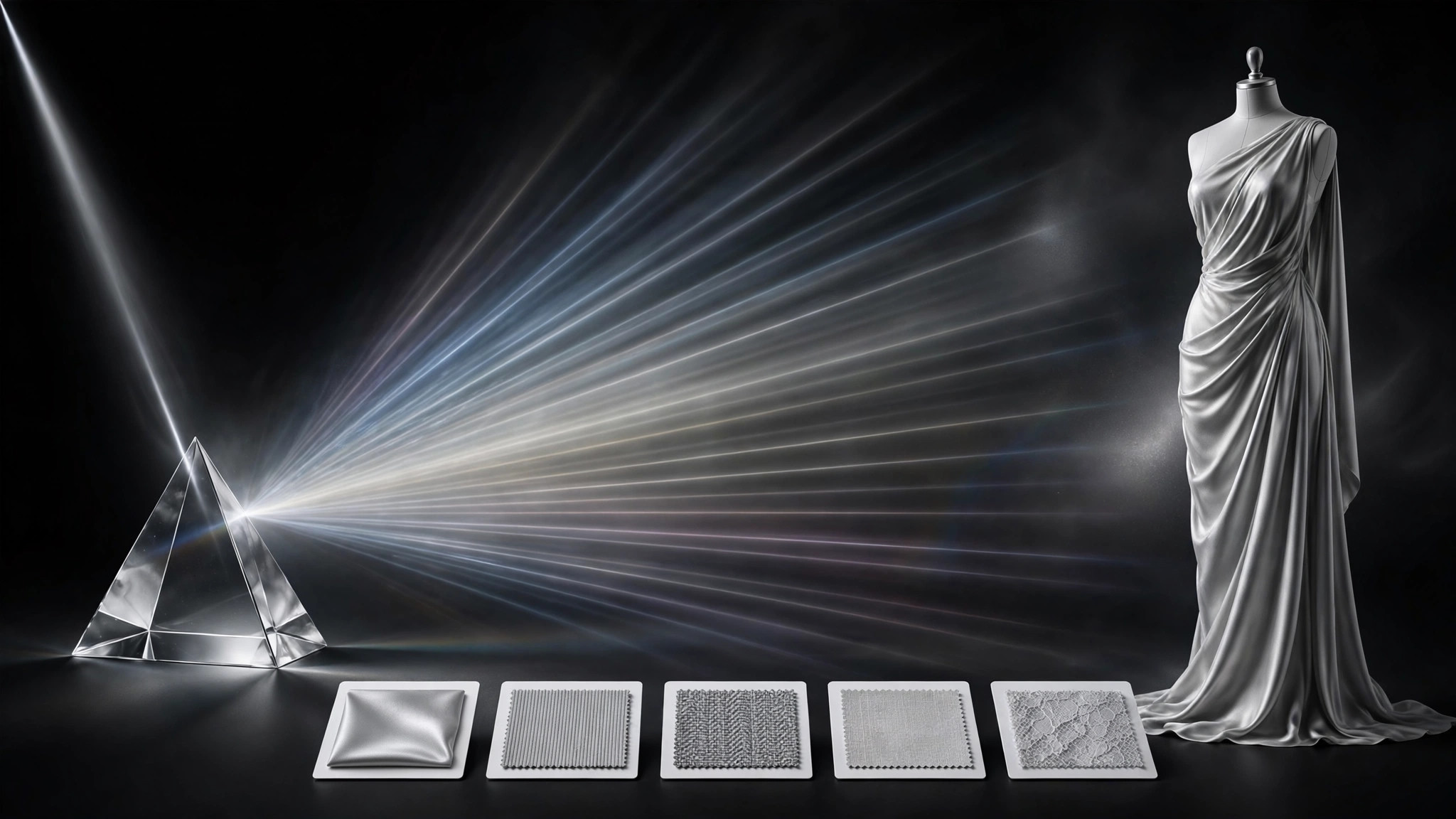
AIがプリズム的なビジュアルシステムでファッションデッキをデザインします。屈折するスペクトラムカラー、ガラスを透ける光のモチーフ、ルックごとにひとつのカラーストーリーで、コレクションのデッキが布を通る光のように読める仕上がりにします。
こんな方におすすめ
コレクションを提示するファッションデザイナー、バイヤー、ショールーム、ブランドの皆さま
所要時間
~45分(初回のデッキ作成)
レベル
中級
3ステップでインストール
登録不要。CLIツールも不要です。お使いのAIを選んで、1行コピーして貼るだけです。
ご自分で入れたい場合は、スキルを購入($4.99)し、購入完了画面からZIPをダウンロードして、上のディレクトリに展開し、AIのセッションを再起動してください。結果は同じです。すでに購入済みの場合は、AIアシスタントにダウンロードしてもらうこともできます。
パックの内容
SKILL.md(手順書)1点とスターターテンプレート1点が入っています。プレビューはこちらです:
Prismatic Fashion Deck
When to use
- You're presenting a fashion collection, lookbook, or seasonal line and the deck needs to feel like fashion, not a sales report
- Your collection has distinct color stories that need one visual system to hold them together
- You're pitching to buyers, press, or investors who judge the deck's taste before they read a word
- You need runway order, fabric detail, and pricing to live in the same deck without clashing
- You want a deck that photographs well when someone snaps a slide in a showroom
Workflow
- Define the color stories (input: collection → output: color stories + prismatic system)
Group the collection into color stories — 3–5 looks per story, each story named for its mood and anchored by 2–4 real fabric colors taken from actual swatches, not invented hex values. Then define the prismatic system that ties stories together: a spectrum band (light refracted into its colors) used as the deck's recurring motif — as a thin divider, a slide edge, a title accent. The spectrum never competes with the clothes: it frames them. One rule governs everything: garment colors are always shown true; the prismatic treatment belongs to dividers, backgrounds, and typography, never recolored onto a garment. - Sequence the looks (input: color stories → output: runway order)
Order the deck the way a show runs: open with the strongest look, alternate statement and quiet looks so the eye rests, group each color story into a continuous run, and close with the look people will photograph. Every look gets a two-slide treatment at most: the look itself (full-bleed garment or model shot) and its detail (fabric close-up, construction note, color names). If a look can't justify its place in the sequence — it repeats a previous look's idea — cut it or move it to an appendix. The deck's job is to make buyers remember twelve looks, not to catalog forty. - Design the slide system (input: sequence → output: slide templates)
Build four templates and use nothing else: the look slide (full-bleed image, look number, name, one line), the detail slide (fabric close-up, material names, construction notes), the story divider (color story name, spectrum band, the story's palette as fabric swatches), and the commercial slide (line sheet: style codes, sizes, prices, minimums). Typography stays quiet — one elegant serif or high-contrast sans for look names, one neutral sans for everything else — so the color does the talking. The spectrum band appears in exactly one place per template, in the same position every time, so it reads as a system rather than decoration. - Write the words (input: templates → output: finished copy)
Copy is sparse and specific: look names that a buyer can say out loud, one line per look about what it is ("bias-cut silk, floor length, moves when she walks"), fabric and care facts buyers actually ask for, and prices with currency. Cut adjectives that describe nothing ("stunning," "beautiful," "gorgeous") and keep the ones that describe something ("matte," "bias-cut," "hand-finished"). Every claim about a fabric — its content, its origin, its care — must be checked against the real spec sheet; a wrong fiber content in a buyer deck is a commercial problem, not a typo. - Check the deck (input: finished deck → output: verified deck)
Flip through at show speed: does each look register in three seconds? Do the color stories read as distinct runs, or does the spectrum motif blur them together? Check every garment image for true color — if the deck's color treatment shifted a fabric's hue, fix it; buyers order the color they see. Verify every price, style code, size run, and minimum against the line sheet. Finally, print one slide or view it on a phone in daylight: if the spectrum band is the first thing you notice instead of the garment, the system is too loud — turn it down.
テンプレートのプレビュー
Prismatic Fashion Deck — Build Template
Refracted-spectrum system, true garment colors, runway order. Fill in color stories first, then sequence.
Color stories (3–5 stories, colors from real swatches)
Story 1: {name} — {mood line}
- Palette (from real swatches): {fabric color 1}, {fabric color 2}, {fabric color 3}
- Looks: {3–5}
Story 2: {name} — {mood line}
- Palette: {}, {}, {}
- Looks: {3–5}
Story 3: {name} — {mood line}
- Palette: {}, {}, {}
- Looks: {3–5}
Prismatic motif: spectrum band in ONE fixed position per template — divider, background edge, or title accent. Never recolored onto a garment.
Runway order
スキルパック本体(SKILL.md とテンプレート)は英語で書かれています。


