AI Services Market › スキルファクトリー › Web › Editorial Studio SaaS
$4.99 · サインイン不要v1.0.0– 回表示
Editorial Studio SaaS
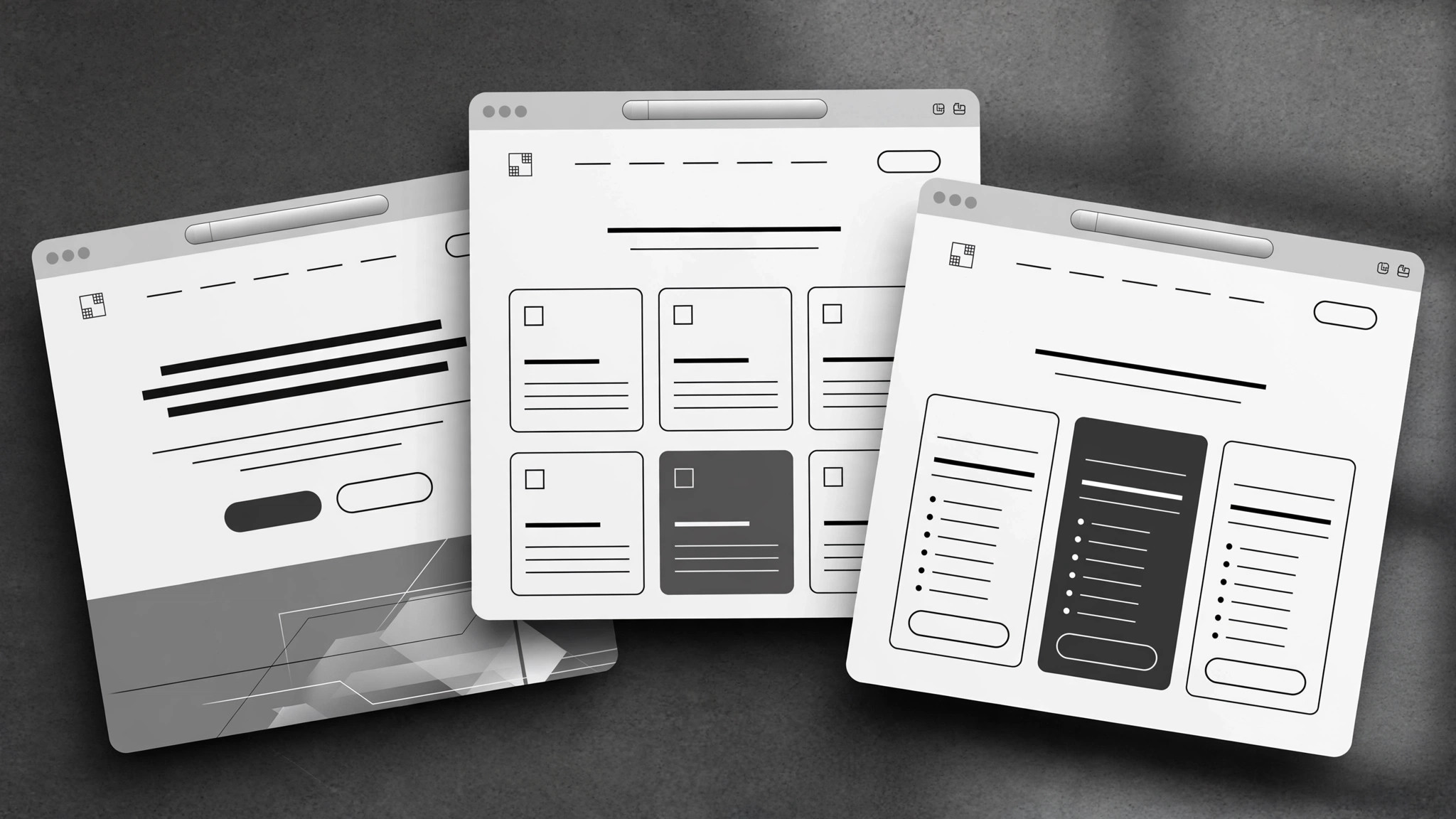
機能が仕事として語られ、価格ページが本当のことを伝える、複数ページの製品サイト
購買者のジャーニーを一貫したSaaSマーケティングサイトへとマッピングします。ホーム、ジョブズ・トゥ・ビー・ダンの観点で書かれた機能ページ、信じられる価格、そしてアバウトで構成します。
こんな方におすすめ
SaaS製品をローンチするデザインスタジオと小規模チーム
所要時間
約60分
レベル
中級
3ステップでインストール
登録不要。CLIツールも不要です。お使いのAIを選んで、1行コピーして貼るだけです。
ご自分で入れたい場合は、スキルを購入($4.99)し、購入完了画面からZIPをダウンロードして、上のディレクトリに展開し、AIのセッションを再起動してください。結果は同じです。すでに購入済みの場合は、AIアシスタントにダウンロードしてもらうこともできます。
パックの内容
SKILL.md(手順書)1点とスターターテンプレート1点が入っています。プレビューはこちらです:
Editorial Studio SaaS
When to use
- A design studio (or small team) shipped a SaaS product and its site is one long homepage trying to do everything
- Your feature pages are spec lists — what the product does — with nothing about what the buyer is trying to get done
- Prospects keep asking the same pre-sales questions your site should already answer
- Your pricing page confuses people: too many tiers, unclear limits, or the "contact us" tier that hides the real price
- You're launching and need home, features, pricing, and about pages that read like one product, not four documents stapled together
Workflow
- Map the buyer journey (input: who buys + how they decide → output: journey map)
List the actual buyers (not "users" — the person who pays, the person who approves, the person who uses it daily are often three different people), then trace how each one goes from unaware to paying: what question are they asking at each step, and what page answers it? A site built from this map has a reason for every page; a site built from a template has a page for every template section. If a page doesn't answer a question a real buyer asks, it doesn't get built. - Design the information architecture (input: journey map → output: page list + purpose per page)
Typical shape: Home (the promise + the proof + the path), Features (organized by job, not by menu — see step 3), Pricing (one page, all tiers, honest limits), About (who built this and why it exists), plus one help or changelog page if the product is live. Every page gets a one-line purpose statement before it's written. Keep the count small — five strong pages beat twelve thin ones — and make the navigation reflect the buyer's questions, not your org chart. - Write feature pages from jobs to be done (input: feature list + user interviews or support questions → output: feature page drafts)
Group features by the job the buyer hires them for ("publish a release without waiting on engineering"), not by your internal modules. Each group gets: the job stated in the buyer's words, the outcome (what's different after using it), how it works in three steps or fewer, and one proof point (a real customer's result, a screenshot with a caption, or a plain limitation stated honestly). Lead with the job, never with the feature name — nobody wakes up wanting "advanced webhook configuration." - Write the pricing page to be believed (input: pricing model + limits → output: pricing page draft)
A pricing page earns trust by being complete: every tier's price, what changes between tiers (limits, seats, support), what happens at the boundary (overage behavior, upgrade path), and what the trial or refund terms actually are. State the thing buyers suspect you're hiding: if there's a setup fee, a per-seat jump, or a feature that only exists on the top tier, say it here, in the open. The comparison table should be scannable in thirty seconds — if it needs a legend, it's too clever. - Unify voice and launch-check the site (input: all page drafts → output: publishable site)
Read all pages in one sitting as a stranger: does the same product show up on every page, does the vocabulary stay consistent (one name per feature, used everywhere), and does every page end with a sensible next step? Then run the launch checklist: every price and limit matches the product, every link works, the signup path is walked end to end on a phone, and the legal basics (privacy, terms) exist and are accurate. A studio's site is its own portfolio piece — sloppy copy on your own product page is the worst possible advertisement.
テンプレートのプレビュー
Editorial Studio SaaS — Template
Five strong pages beat twelve thin ones. Fill in order: journey first, pages second.
Buyer journey map
Page list (4–6 pages)
Feature pages — one block per job
Job: {stated in the buyer's words — e.g. "Publish a release without waiting on engineering"}
Outcome: {what's different after using it} How it works (≤3 steps):
- {step}
- {step}
- {step}
Proof or honest limitation: {real customer result / captioned screenshot / plain limitation}
(Repeat per job.)
Pricing page
At the boundary: {overage behavior, upgrade path — stated plainly} Trial: {length, card required?} | Refund / cancellation: {plain terms}
スキルパック本体(SKILL.md とテンプレート)は英語で書かれています。


