Cue-Column Study Sheet
ノートを隠し、自分のキューに答え、本当に覚えます。
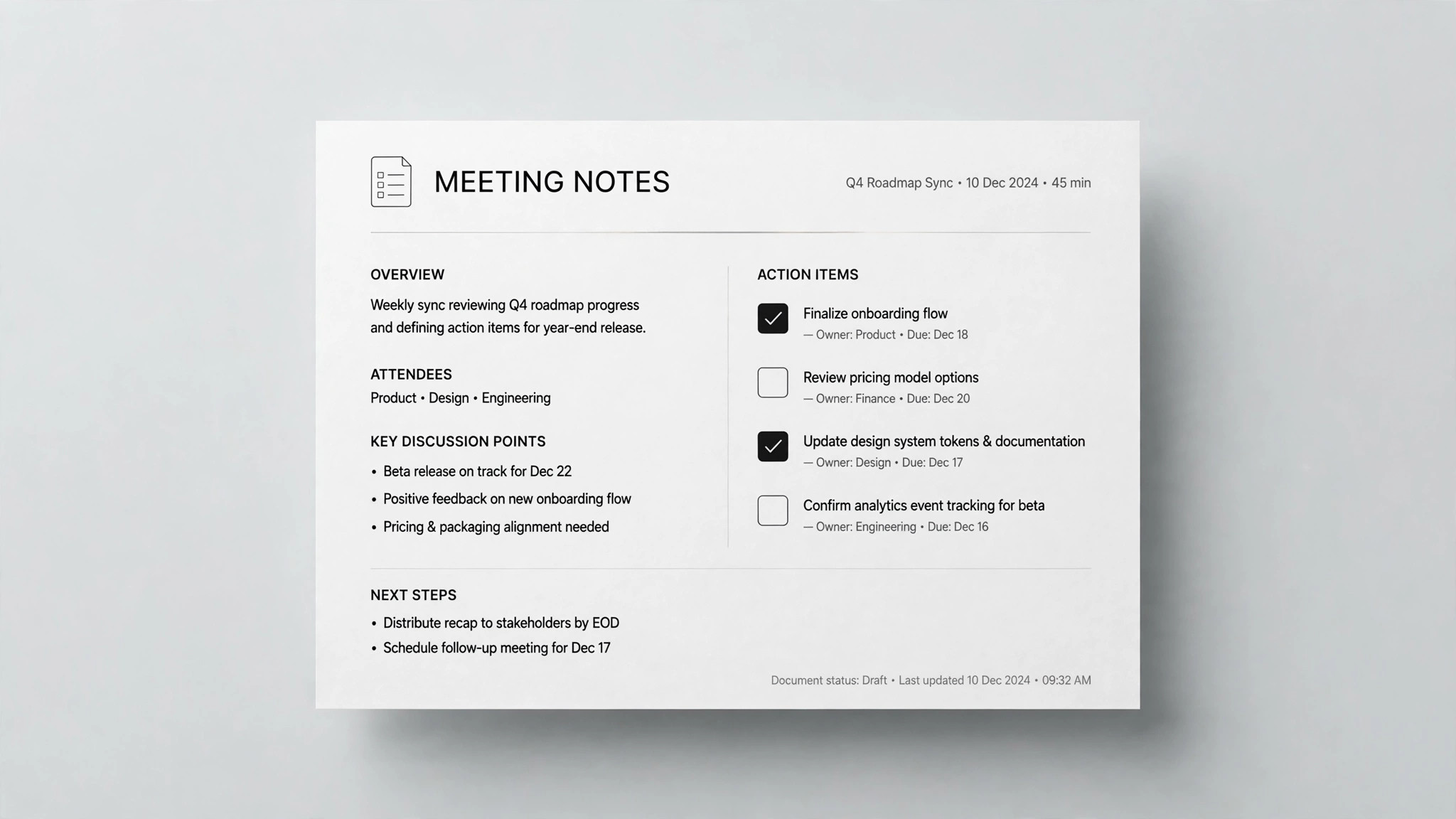
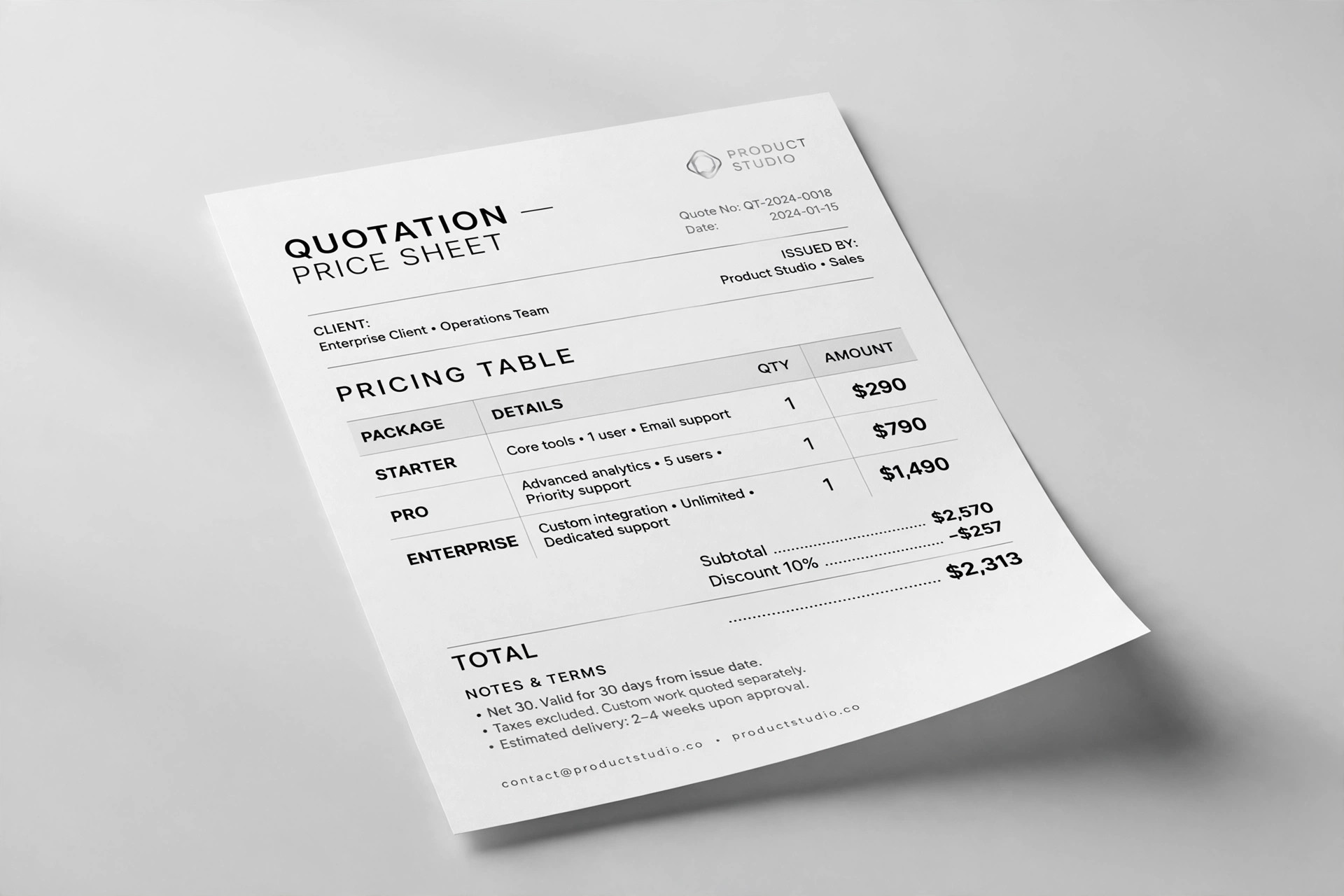
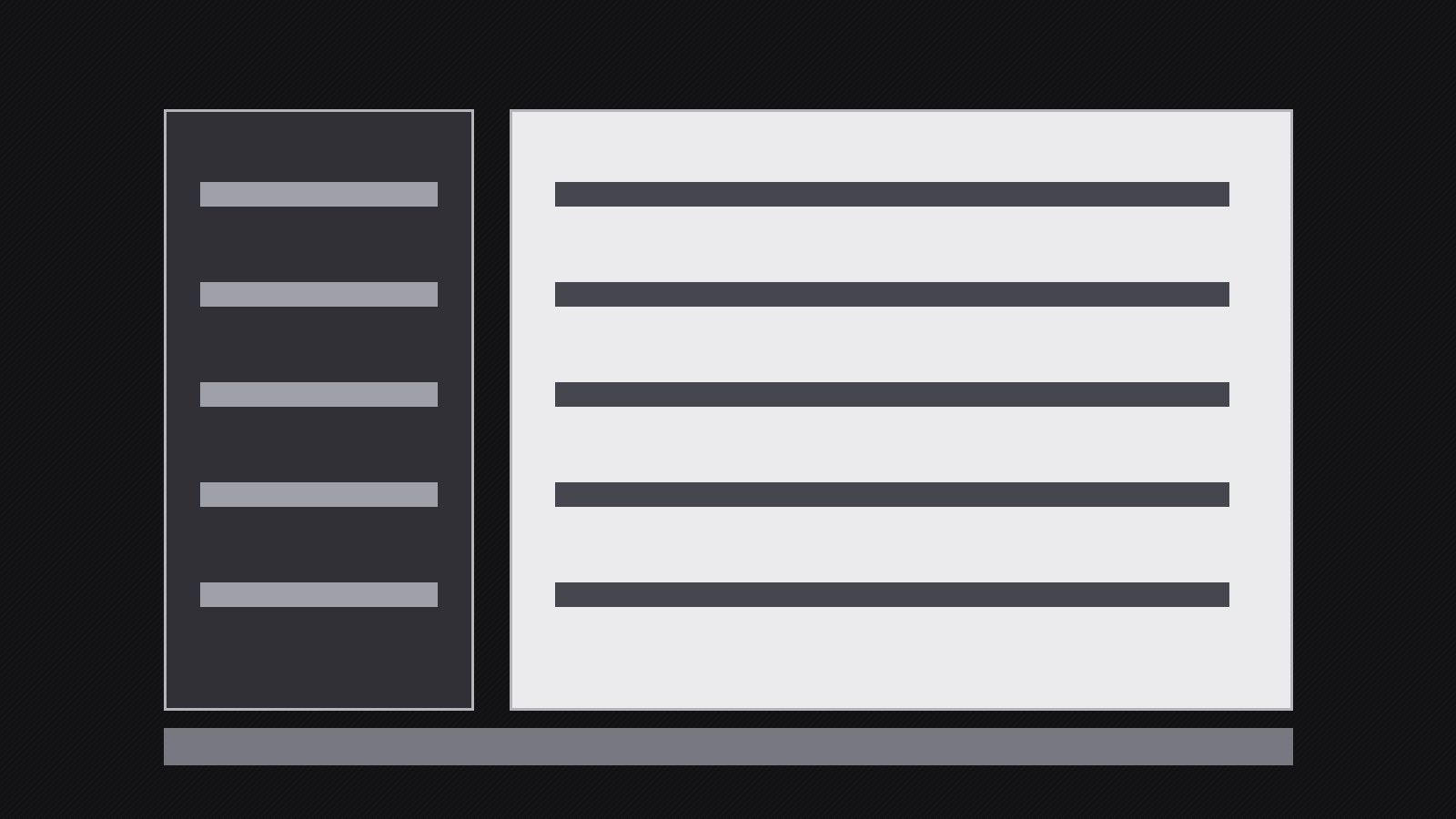
1ページのコーネル式学習シートです。左に質問の細いキュー欄、右に言い換えたノート、下部に記憶からの要約を配置し、読み直しではなく『隠して想起する』方法で復習します。
3ステップでインストール
登録不要。CLIツールも不要です。お使いのAIを選んで、1行コピーして貼るだけです。
ご自分で入れたい場合は、スキルを購入($4.99)し、購入完了画面からZIPをダウンロードして、上のディレクトリに展開し、AIのセッションを再起動してください。結果は同じです。すでに購入済みの場合は、AIアシスタントにダウンロードしてもらうこともできます。
パックの内容
SKILL.md(手順書)1点とスターターテンプレート1点が入っています。プレビューはこちらです:
Cue-Column Study Sheet
When to use
- You have lecture notes, a chapter, or a long article and need to convert them into something you can actually review
- An exam is coming and re-reading your notes is not working — you need to test yourself instead
- You took meeting or interview notes and want the decisions and questions retrievable in seconds
- You are learning a technical topic where terms, formulas, and procedures must be recalled, not just recognized
- You want one page per topic that fits on a single printed sheet or a single screen
Workflow
- Pick the topic and the source (input: study goal → output: one-topic source set)
One sheet covers one topic — one lecture, one chapter section, one meeting, one procedure. If the source sprawls across several topics, split it first and make one sheet per topic; a sheet that tries to cover a whole course helps nobody. Gather the source material: your raw notes, the textbook pages, the slides, the recording timestamps. Mark the parts that matter most for recall — definitions, procedures, distinctions, examples — and set aside anything that is background color rather than testable content. Write the topic title and the source at the top of the sheet now, so a stack of sheets stays sortable later. - Write the notes column first (input: source set → output: notes column)
Fill the wide right-hand column (about two-thirds of the page) with condensed notes, not a transcript. The rule is: notes record meaning in your own words. Paraphrase each idea into one or two short lines, keep the original terms and formulas exact, and use lists, arrows, and tiny diagrams where the source used paragraphs. Leave white space between ideas — a dense wall of text defeats the whole method, because the cue column needs visible anchor points to attach to. If an idea takes more than four lines, it is two ideas; split it. Number the notes when the order matters (steps in a procedure, stages in a process) and leave the numbers off when it does not. - Extract the cue column (input: notes column → output: cue column)
Now go back through the notes and, for each idea, write a cue in the narrow left-hand column (about one-third of the page): a question the note answers, a keyword that triggers it, or a prompt to reproduce it ("Define X," "Steps for Y," "X vs. Z — difference?"). A good cue is answerable from memory in one breath and points at exactly one note — if a cue could match three notes, it is too vague, and if a note has no cue, it will never be reviewed. Use question-form cues for facts and definitions ("What causes…?"), command-form cues for procedures ("List the steps…"), and contrast cues for confusable pairs ("How does X differ from Y?"). Keep cues short: the cue column should look sparse next to the notes, like an index, not a second set of notes. - Write the summary (input: notes and cues → output: bottom summary)
At the bottom of the sheet, in the space below both columns, write a summary of the whole topic in 3–6 sentences, from memory, without looking back at the notes more than once. The summary answers one question: "If I could only remember one paragraph about this topic, what would it say?" It should name the core idea, the key distinctions, and the one example or procedure that anchors everything else. Writing it from memory is the point — it is your first self-test, and the gaps you hit while writing it tell you which cues need strengthening. If you cannot summarize the sheet, the sheet is not finished: either the topic is too broad (split it) or the notes are too vague (tighten them). - Review with cover-and-recall (input: finished sheet → output: review pass with marks)
Reviewing means covering the notes column, reading each cue aloud, answering from memory, and then uncovering to check. Mark each cue as you go: a check for correct, a dot for partial, a cross for missed. Missed cues get a second pass the same day and a third pass the next day; correct cues get spaced out to the next review session. Never review by re-reading the notes column — re-reading feels productive and produces almost no retention, while one cover-and-recall pass exposes exactly what you do not know. Keep the marks on the sheet: a sheet covered in checks and crosses is a record of what you have actually learned, not just what you have read. - Maintain the deck (input: reviewed sheets → output: sorted, scheduled sheet set)
Keep sheets in topic order in one folder or binder, with the title and source on every sheet. Schedule reviews by the marks: sheets with crosses come back tomorrow, sheets with dots in two days, sheets with all checks in a week. When a sheet accumulates all checks across two spaced reviews, it graduates to a monthly pile — and when you miss a cue on a graduated sheet, it drops back to the daily pile without shame. Retire or rewrite sheets whose source has changed (a new edition, a corrected procedure) rather than annotating corrections in the margins until the sheet is illegible.
テンプレートのプレビュー
Cue-Column Study Sheet — Template
One sheet = one topic. Print it or use it on a single screen. Cover the notes column to review.
Topic: {topic title}
Source: {lecture / chapter / meeting / article — with page numbers or timestamps} Date: {date}
Notes + cues
Cue checks: [ ] Every note has exactly one cue [ ] Every cue points at exactly one note [ ] Cues are short — the cue column looks like an index, not a second set of notes [ ] White space between ideas — no wall of text
Summary (bottom — write from memory, 3–6 sentences)
{Core idea. Key distinctions. The one example or procedure that anchors everything.}
スキルパック本体(SKILL.md とテンプレート)は英語で書かれています。