Newsletter
Una newsletter personale settimanale che la gente apre davvero
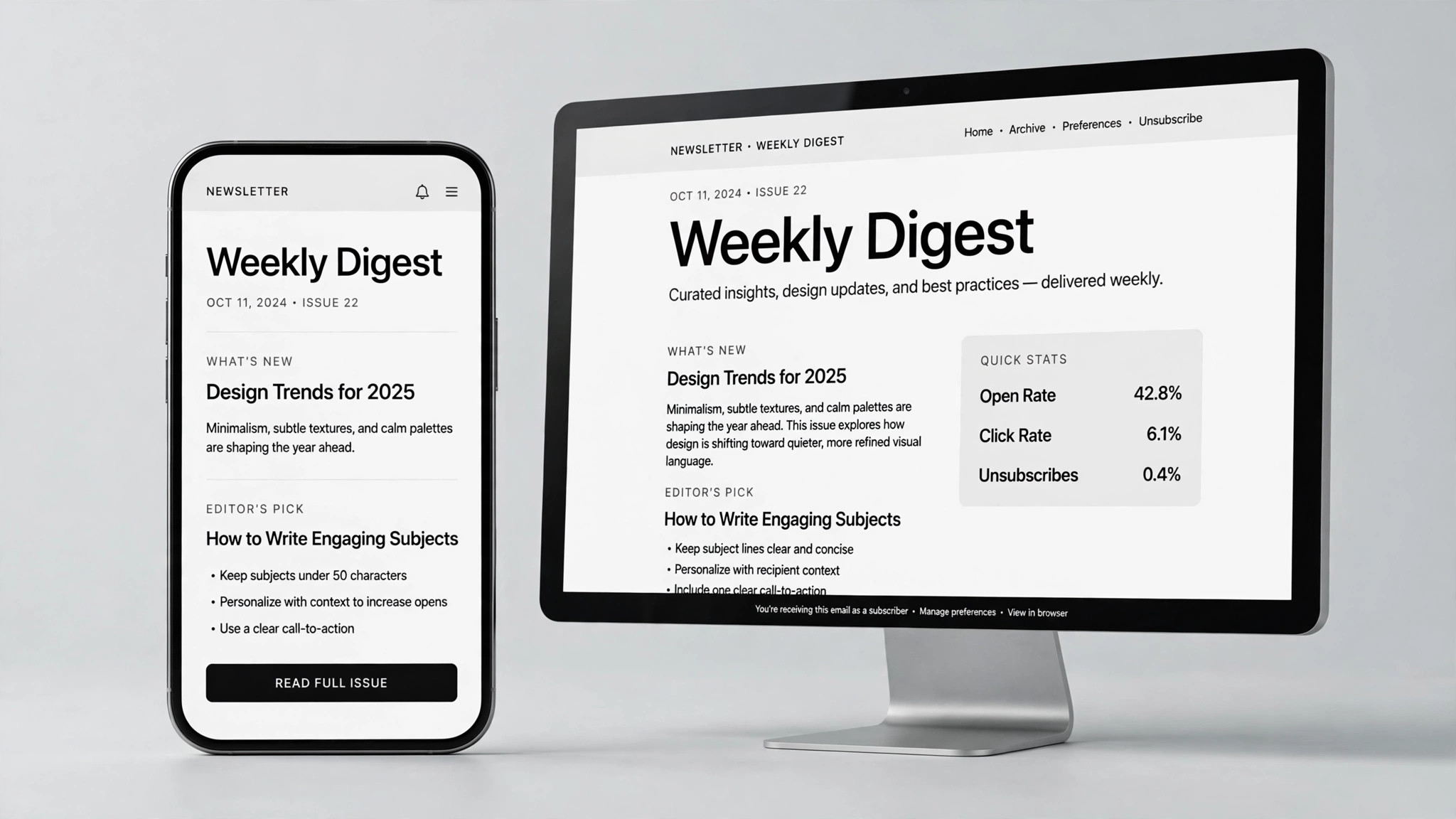
Newsletter personali e per piccoli team: formula per l'oggetto, aggancio iniziale, tre cose, un pensiero, CTA — facile da leggere da telefono.
Installala in 3 passaggi
Nessuna registrazione. Nessuno strumento da riga di comando. Scegli la tua AI, copia una riga e incollala.
Preferisci fare da te? Acquista la skill ($4.99), scarica lo ZIP dalla conferma d'acquisto, decomprimilo nella cartella mostrata sopra e riavvia la sessione della tua AI — stesso risultato. L'hai già acquistata? Il tuo assistente AI può scaricarla per te.
Prove dal mondo reale
Persone vere hanno svolto proprio questo lavoro con agenti IA.
Pull Substack post stats via computer use
Leggi il caso →Caso d'usoClean inbox, chase refund, and book HVAC tune-up
Leggi il caso →Caso d'usoBuild presentations and spreadsheets from web research
Leggi il caso →Cosa contiene
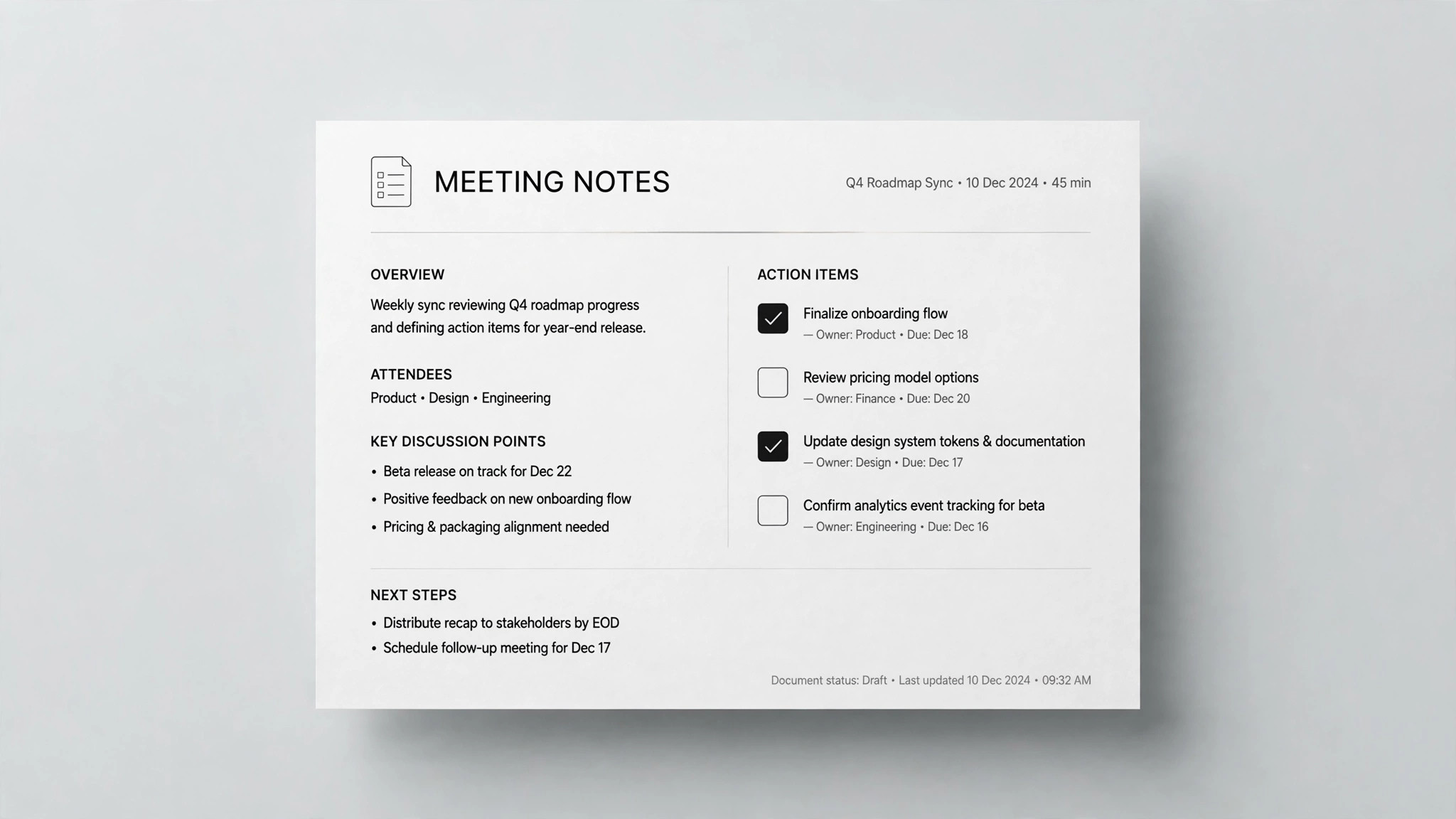
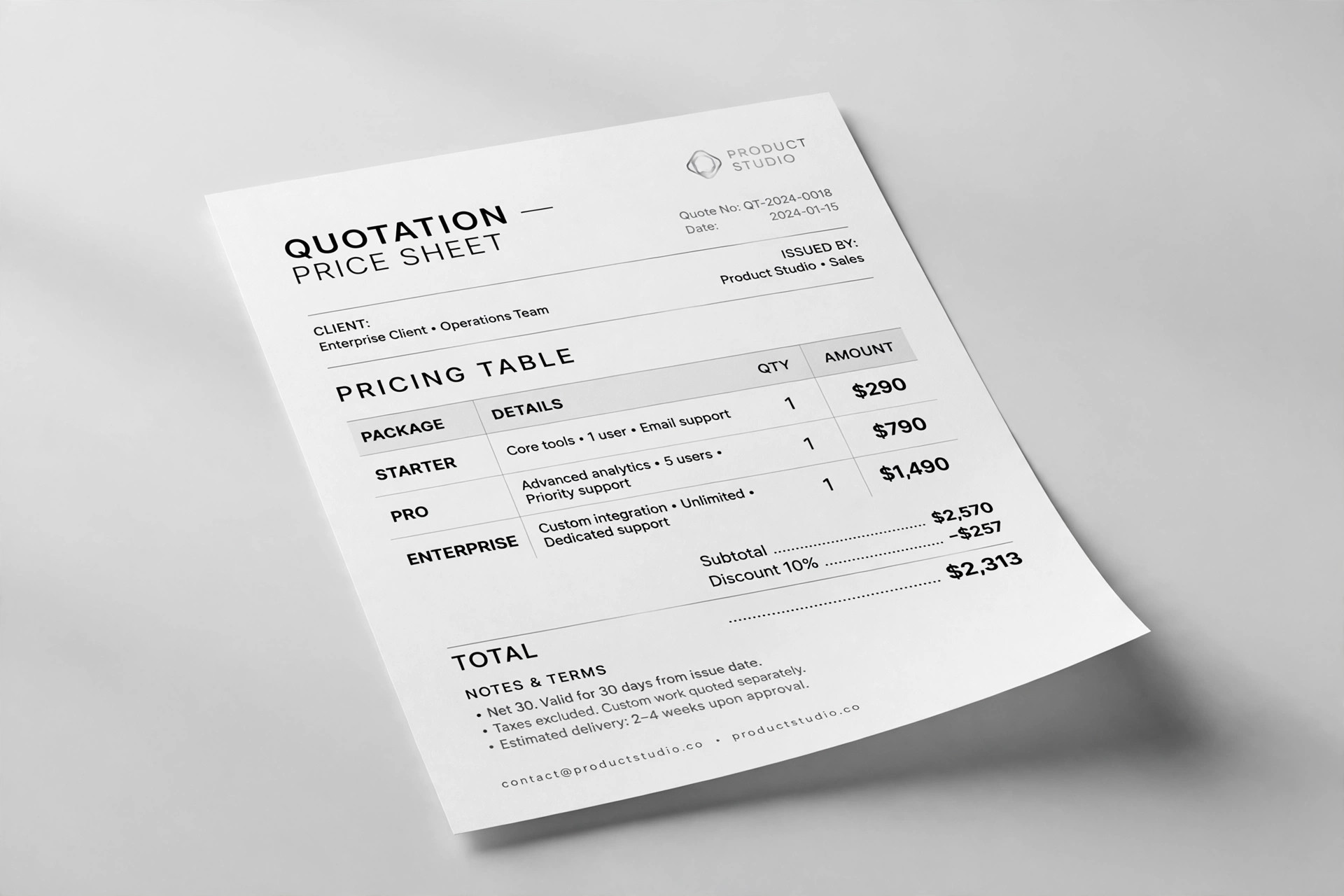
Un file SKILL.md (la guida operativa) + un modello di partenza. Un'anteprima:
Newsletter
When to use
- A personal brand sends a weekly to subscribers to stay visible but has no structure to write to
- A small team syncs internally: what got done this week, what's next — one email covers it
- A freelancer reports weekly progress to clients — looks professional, saves effort
- A community host curates the week's best, recycling good content from the group chat
- You want to start a newsletter but always feel "nothing worth writing this week"
Workflow
- Fix the reader and the goal
- Input: this issue's raw material (what happened, what you saw, what you thought)
- Action: lock "who this is for" and "what they should do after reading" in one sentence each; if the goal is fuzzy, ask first
- Output: one-line reader sketch + one-line reading goal
- Draft the headline
- Input: the single most valuable point of this issue
- Action: use the formula "number + concrete payoff + audience / timeframe" to write 3 options, e.g. "3 ways to stop clients haggling your quotes" — pick the most specific, least clickbaity one
- Output: 1 headline (≤ 20 words) + 2 backups
- Write the opening hook
- Input: one real small thing from this week — an anecdote, a number, a contrast
- Action: tell it in 3 lines, landing naturally on the issue's theme — no throat-clearing, no pleasantries
- Output: opening block (3–5 lines)
- Lay out the "3 stories"
- Input: the week's material list
- Action: keep only the top 3 by importance — story #4 and beyond get cut; each gets "subhead + 3–5 lines + 1 link or action point"
- Output: 3 sections, each with headline, body, and a follow-up link where relevant
- Add one reflection
- Input: the reader sketch from step 1 + a genuine thought from this week
- Action: write a ≤100-word real thought — a doubt, a judgment, a counter-intuitive observation. No chicken soup, no preaching
- Output: the "one reflection" paragraph
- Close with CTA and sign-off
- Input: the reading goal
- Action: keep exactly one clear action (reply to the email / click a link / book a time); write the sign-off and unsubscribe note
- Output: CTA block (its own paragraph, button-style) + sign-off + unsubscribe method
Output spec
- Mobile-first: paragraphs ≤ 3 lines, generous subheads and white space, no walls of text
- Headline ≤ 20 words; body 600–1000 words — over budget? Cut the weakest of the 3 stories
- Each of the 3 stories under its own subhead, each with 1 clickable action point or link
- Links as text links (e.g. [this retrospective](url)), never bare long URLs
- One CTA, its own paragraph; sign-off includes name + one-line bio; unsubscribe method mandatory
- Tone like chatting with a friend, not holding court; less "we", more "I / you"
Good vs. bad examples
Anteprima del modello
Email Newsletter
Headline (≤ 20 words — pick 1 of 3 before sending)
Opening hook (3–5 lines)
Il pacchetto della skill (SKILL.md + modello) è scritto in inglese.