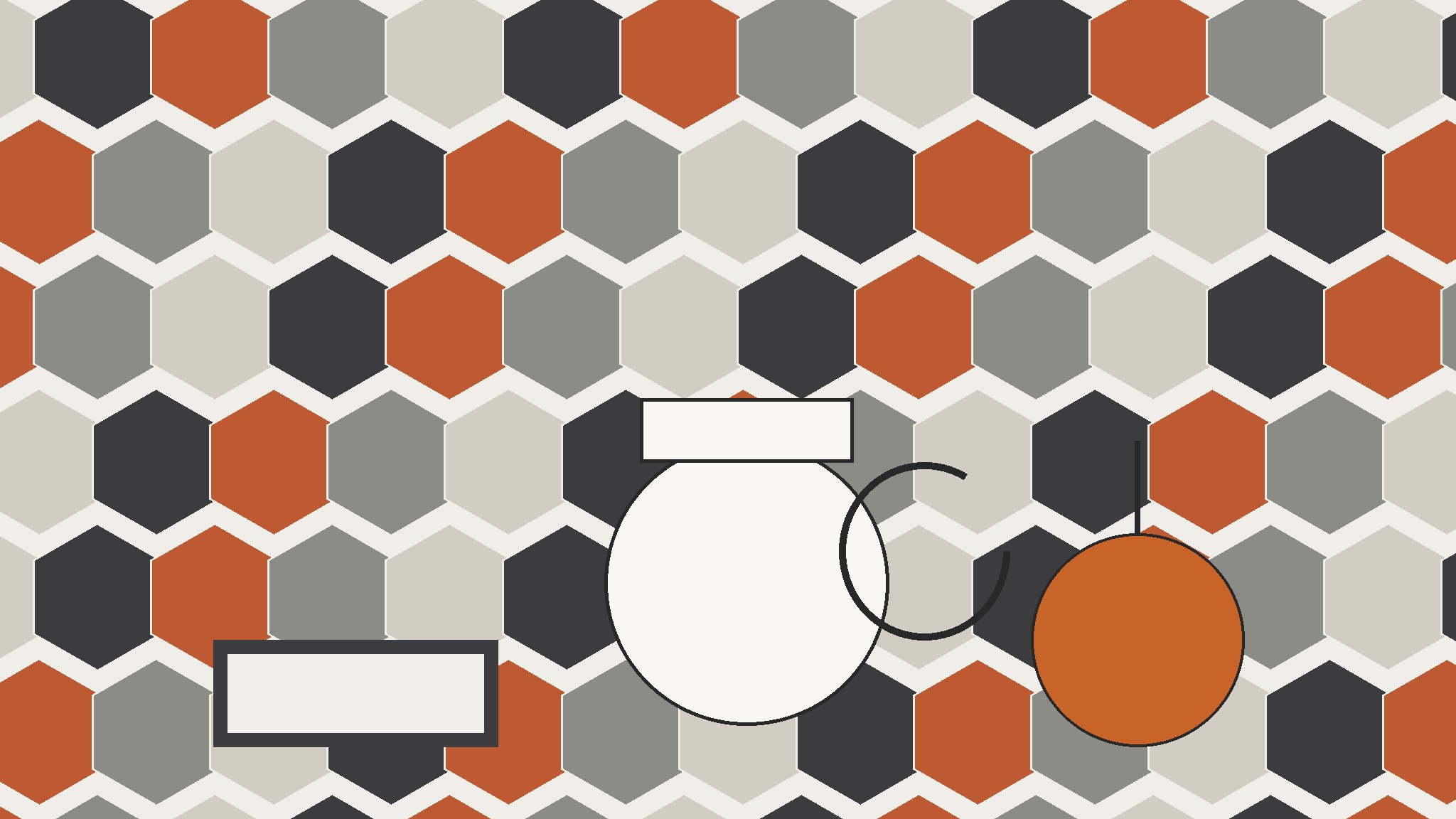
Tessellated Editorial Still Life
Des carreaux imbriqués et des objets discrets, composés comme une couverture de magazine.
Transforme votre IA en directeur artistique de natures mortes éditoriales — compose une nature morte style magazine à partir de carreaux géométriques imbriqués et d'objets du quotidien, avec une palette sobre et un équilibre prêt pour l'impression.
Installez-la en 3 étapes
Sans inscription. Sans outils en ligne de commande. Choisissez votre IA, copiez une ligne, collez-la.
Vous préférez le faire vous-même ? Achetez la compétence ($4.99), téléchargez le ZIP depuis votre confirmation d'achat, décompressez-le dans le répertoire indiqué ci-dessus, redémarrez votre session IA — même résultat. Vous l'avez déjà achetée ? Votre assistant IA peut la télécharger pour vous.
Contenu du pack
Un fichier SKILL.md (le guide pratique) + un modèle de départ. Aperçu :
Tessellated Editorial Still Life
When to use
- You need a magazine cover, feature opener, or section divider that looks art-directed rather than stock
- A brand story, essay, or product feature needs one strong image that holds a full page without a single human face in it
- Your layout has a strict grid and the artwork has to sit inside it without fighting the type
- You want a still life with structure — pattern and geometry doing the work, not a random scatter of props
- A print or editorial project needs an image that reads in two seconds at newsstand distance and rewards a closer look
Workflow
- Set the palette and the tile (input: story theme, 3–4 colors → output: palette + tile shape)
Pick a palette of three or four colors before touching any object: one light ground, one dark anchor, and one or two accents that will appear in both the tiles and the objects. Then pick one tile shape — hexagon, triangle, diamond, or an L-shaped interlock — and commit to it. One tile shape, repeated, is what makes the pattern read as tessellation instead of decoration. Write the palette down as swatches; every object and tile you add later must match one of them, or it does not go in. - Lay the tessellation (input: palette + tile shape → output: tiled backdrop)
Fill the backdrop with the tile shape edge to edge, with no gaps and no overlaps — that interlocking fit is the whole point of tessellation. Vary the tiles by color, not by shape: alternate two or three palette colors in a rhythm (a band, a checker, a slow gradient across the field) so the pattern has movement without chaos. Leave one area of the backdrop calmer than the rest — a quiet patch where the hero object will sit — because a still life needs a place for the eye to land. If the pattern is equally busy everywhere, the objects will drown in it. - Cast the objects (input: story theme, palette → output: object shortlist)
Choose three to five everyday objects that say something about the story: a ceramic cup, a folded cloth, a pair of scissors, a piece of fruit, a book, a tool. Every object must match the palette and earn its place — if you cannot say in one sentence why it belongs, cut it. Mix scales (one large anchor object, two medium, one or two small) and mix materials (one matte, one glossy, one textured) so the group has contrast without color noise. Avoid objects with loud logos, busy prints, or neon colors; they break the palette and pull the eye away from the composition. - Arrange the still life (input: tiled backdrop + object shortlist → output: composed scene)
Place the anchor object on the quiet patch of the backdrop, then arrange the rest around it so the group reads as one cluster, not a row. Overlap edges slightly — a cup in front of a book, a cloth tucked behind a bowl — because overlap creates depth on a flat tiled field. Keep at least one tile edge visible between objects so the tessellation stays readable; if objects cover the pattern entirely, you have a product pile, not a tessellated still life. Step back and check the silhouette: the whole group should make one interesting shape, with no object sticking out alone at the edge. - Light it and crop it (input: composed scene → output: finished image)
Light the scene from one direction only — a single soft window-light feel — so every object casts one consistent shadow and the tiles read as a flat field behind them. Shadows should be soft and short; hard or double shadows make the scene look staged under spotlights. Then crop for the format it will live in: leave breathing room on the side where a headline or cover line will sit, and never crop through the middle of an object. Check the image at full size and at thumbnail size — the tile pattern should still read small, and the hero object should still be the first thing the eye finds.
Aperçu du modèle
Tessellated Editorial Still Life — Brief Template
One story = one still life. Fill this in before arranging anything.
Story
Story / feature: {title or theme} Format: {magazine cover / feature opener / section divider} — Size: {e.g. A4 portrait / 16:9} Type space: {headline goes: left third / top band / bottom band / none}
Palette (3–4 colors, fixed before objects)
Tile shape: {hexagon / triangle / diamond / L-shaped interlock} Tile rhythm: {band / checker / slow gradient / other}
Objects (3–5, each earns its place)
Cut list: {objects considered and rejected, with one-line reason}
Composition
Quiet patch: {where the hero object sits}
Le pack de compétence lui-même (SKILL.md + modèle) est rédigé en anglais.
Vous aimerez aussi
 Autres
Continuity Asset Set
Un kit unique pour que chaque livrable donne l'impression de faire partie du même ensemble.
 Autres
Device-Canvas Product Launch
Un grand canevas d’appareil porte toute votre histoire de lancement.
 Autres
Frame-Token Editorial Launch
Un seul jeu de tokens, tous vos assets, zéro dérive.