Molten Glass Landing
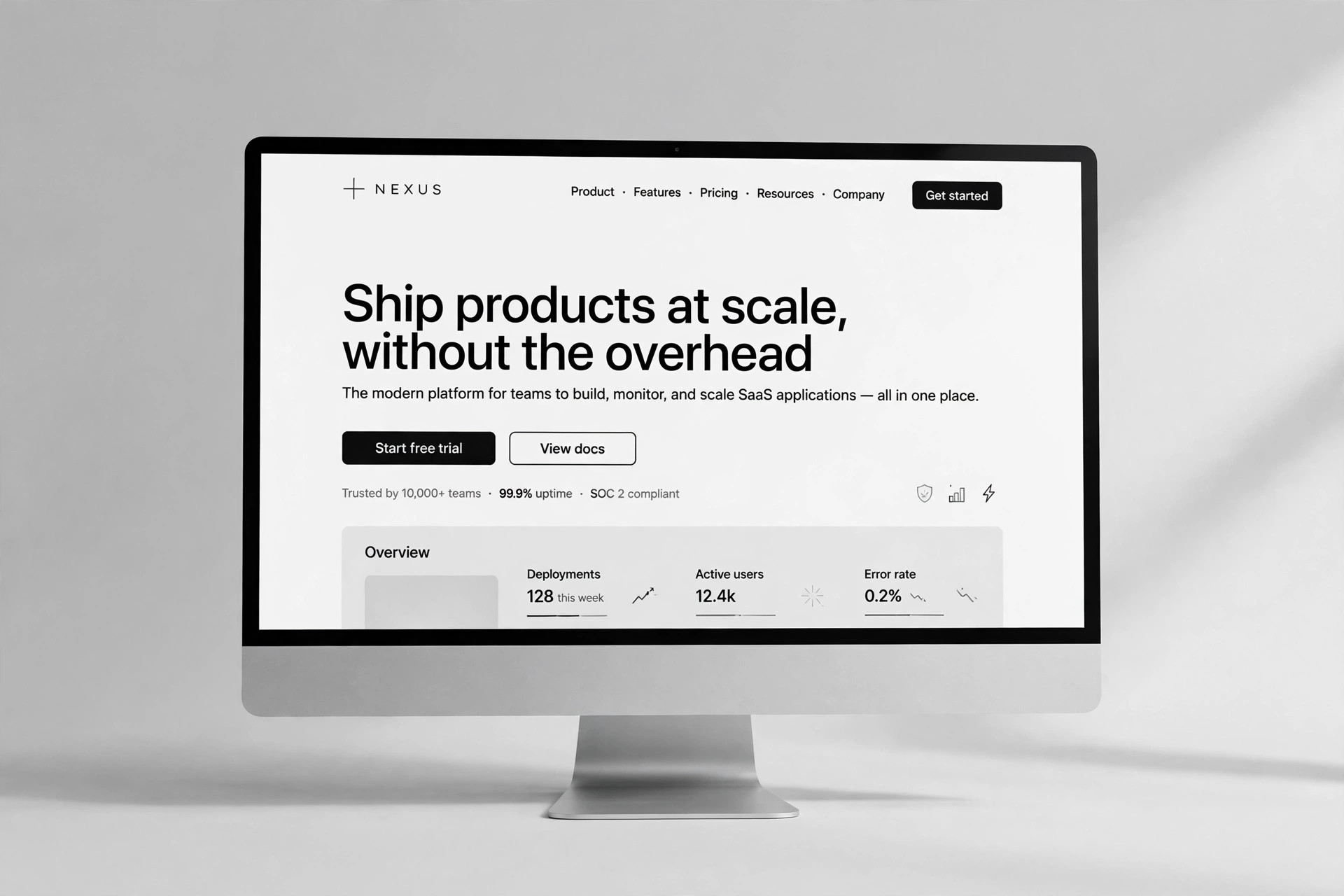
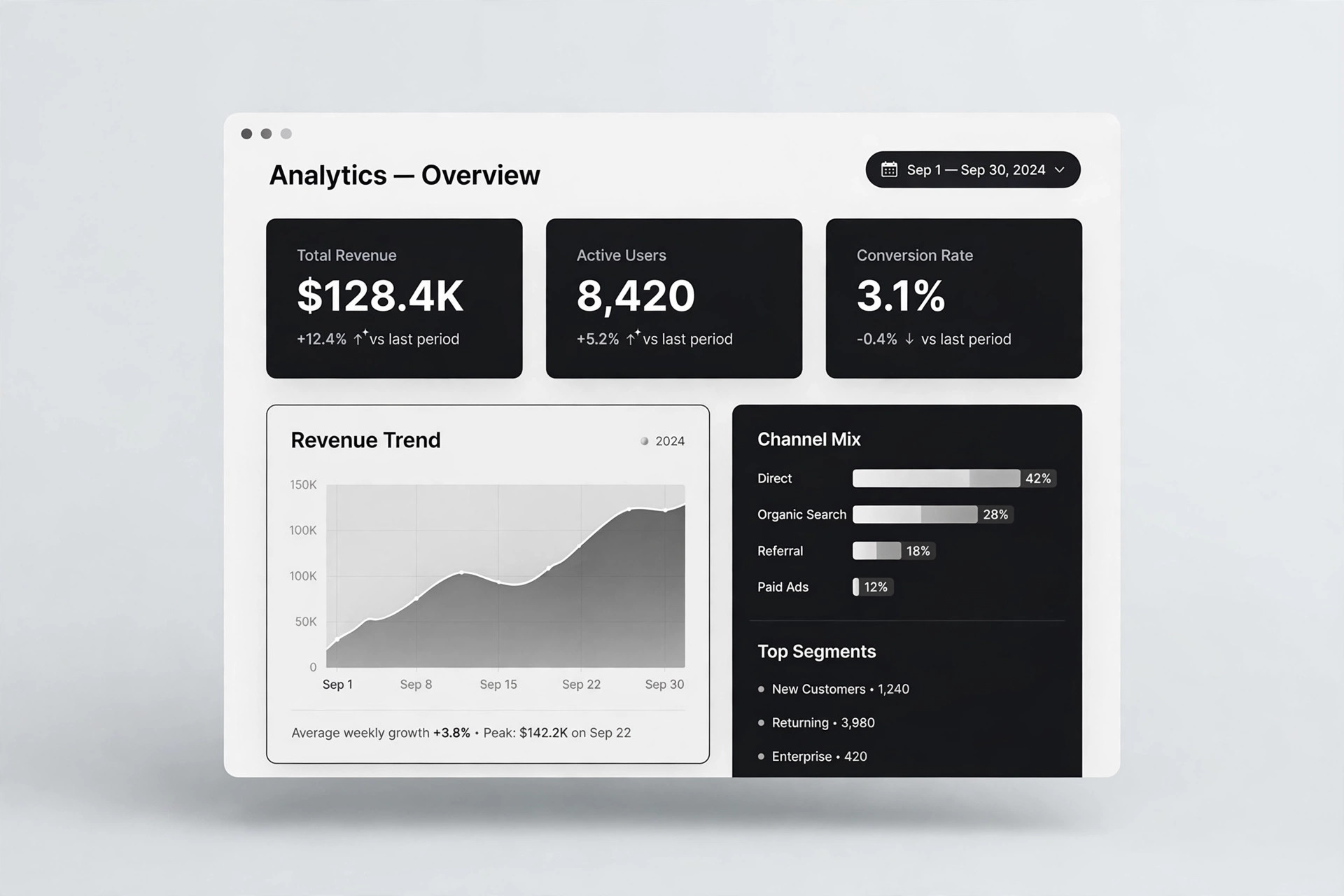
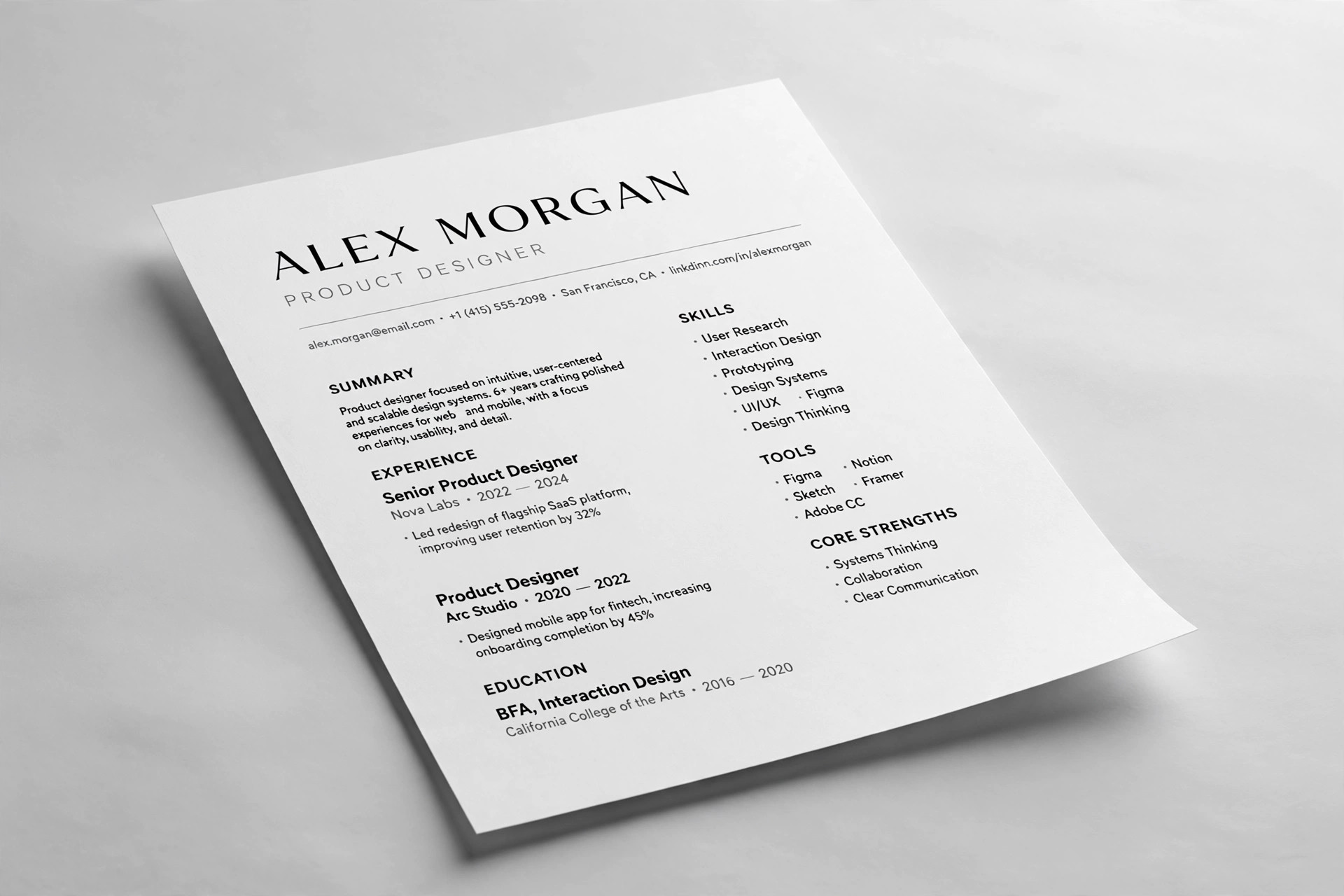
Une landing page en verre haut de gamme construite autour d'une seule action.
Transformez votre IA en conceptrice de landing pages dans un système visuel en verre fondu — panneaux translucides fluides, reflets de verre chauds et une action claire par écran, pour qu'une page produit semble haut de gamme et convertisse.
Installez-la en 3 étapes
Sans inscription. Sans outils en ligne de commande. Choisissez votre IA, copiez une ligne, collez-la.
Vous préférez le faire vous-même ? Achetez la compétence ($4.99), téléchargez le ZIP depuis votre confirmation d'achat, décompressez-le dans le répertoire indiqué ci-dessus, redémarrez votre session IA — même résultat. Vous l'avez déjà achetée ? Votre assistant IA peut la télécharger pour vous.
Contenu du pack
Un fichier SKILL.md (le guide pratique) + un modèle de départ. Aperçu :
Molten Glass Landing
When to use
- You are launching a product and need a single page that explains it and gets sign-ups
- Your current landing page looks like a wall of text and visitors bounce before the first scroll
- You want a premium, glassy look — translucent panels, soft glows, liquid gradients — without hiring a designer
- You have one hero offer and need every section of the page to point at it
- You are A/B testing a new headline or offer and need a clean page variant fast
Workflow
- Pin down the one action (input: your offer → output: single conversion goal)
Before any design, name the one thing the page must get visitors to do: start a trial, book a demo, join a waitlist, buy. One page, one action. Write it as a verb + object: "Start a free trial." Everything that doesn't serve that action gets cut or demoted. If you have two actions, pick the primary and make the second a quiet text link. - Draft the message stack (input: conversion goal + product facts → output: headline, subhead, proof, offer)
Build the message in this order: headline (the outcome, not the feature), subhead (who it's for + how it works in one line), proof (one number, one quote, or one logo row), offer (what they get and what it costs). Keep the headline under 10 words and readable in 3 seconds. If the headline needs a paragraph to explain it, it's not a headline yet. - Lay out the glass sections (input: message stack → output: full page structure)
Structure: hero (headline + subhead + one CTA + one product visual), problem (3 pains, one line each), solution (3 features tied to outcomes), proof (testimonial or metric), offer/pricing, FAQ (the 4 objections that kill conversions), final CTA. Each section sits on a translucent molten-glass panel over a dark, flowing gradient — panels overlap slightly, highlights sit on the top-left edge, and the CTA button is the brightest element on the page. - Write the copy in place (input: page structure → output: finished copy)
Write every section to a strict budget: hero subhead ≤ 25 words, feature blocks ≤ 20 words each, FAQ answers ≤ 40 words each. Cut adjectives; keep verbs and numbers. Every button says what happens next ("Get the template", not "Submit"). Read the page aloud — if a sentence makes you pause, shorten it. - Check contrast, load, and the fold (input: finished page → output: launch-ready page)
Verify three things: the headline and CTA are visible without scrolling on a phone; body text passes contrast against the glass panels (if a panel is too transparent over a bright gradient, darken the panel, never shrink the text); and the page loads fast — compress the hero visual, keep the gradient in CSS, and don't stack five animation libraries for one glow effect.
Aperçu du modèle
Molten Glass Landing — Page Template
One page, one action. Fill in the message stack first, then lay out the glass.
Conversion goal
The one action: {verb + object, e.g. Start a free trial} Audience: {who this page is for} Offer: {what they get + what it costs}
Message stack
Headline (≤ 10 words): {the outcome, not the feature} Subhead (≤ 25 words): {who it's for + how it works} Proof: {one number / one quote / logo row} Offer line: {what they get + price}
Page sections
Hero
- Headline: {headline}
- Subhead: {subhead}
- CTA button: {what happens next, e.g. Get the template}
- Hero visual: {one product visual}
Le pack de compétence lui-même (SKILL.md + modèle) est rédigé en anglais.