Fantasy Concept Map
Une carte de monde originale que vos lecteurs peuvent vraiment explorer
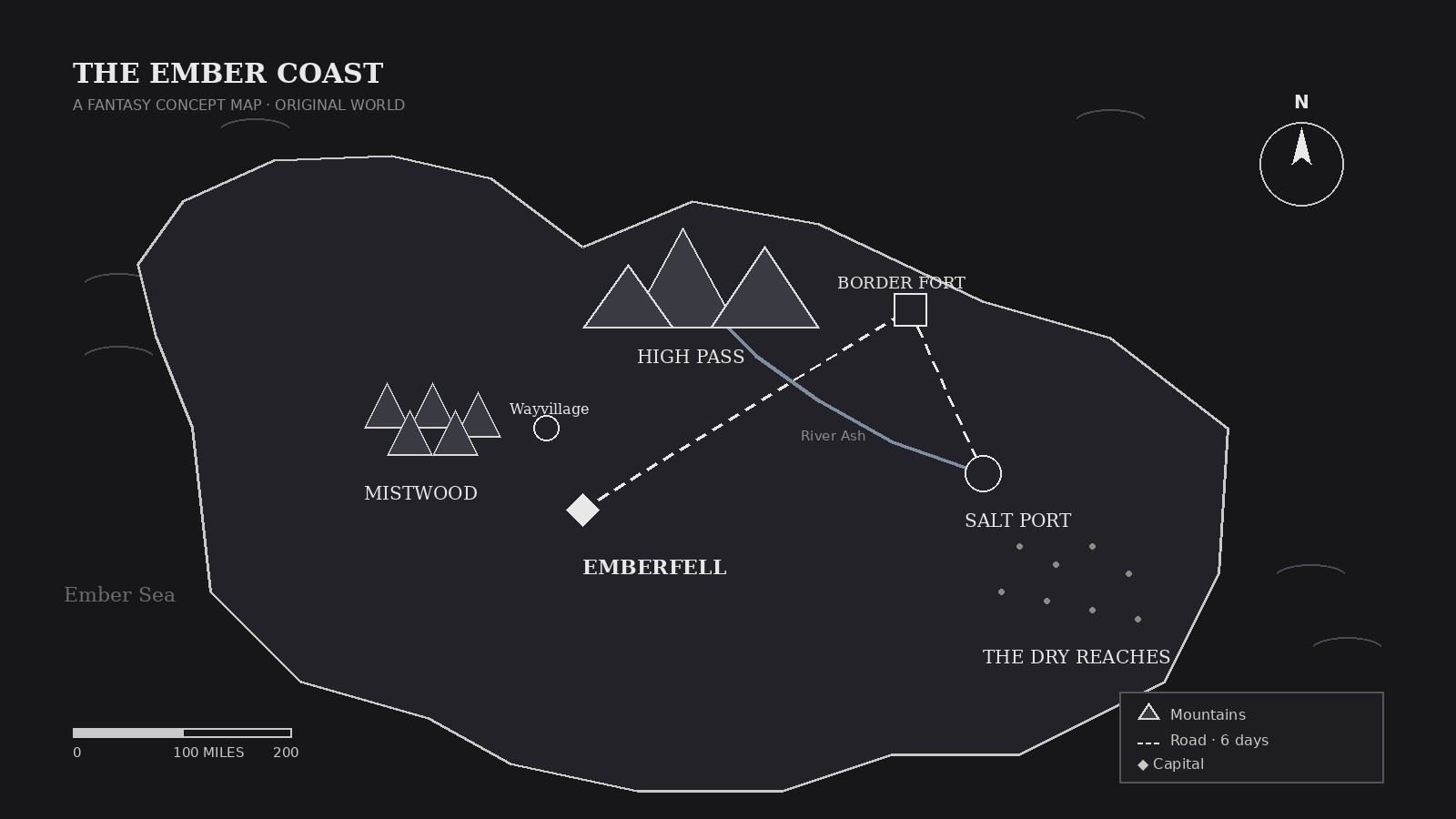
Transformez votre IA en cartographe fantasy qui dessine une carte de monde originale avec régions, lieux emblématiques, routes et légende, construite selon les règles de votre univers.
Installez-la en 3 étapes
Sans inscription. Sans outils en ligne de commande. Choisissez votre IA, copiez une ligne, collez-la.
Vous préférez le faire vous-même ? Achetez la compétence ($4.99), téléchargez le ZIP depuis votre confirmation d'achat, décompressez-le dans le répertoire indiqué ci-dessus, redémarrez votre session IA — même résultat. Vous l'avez déjà achetée ? Votre assistant IA peut la télécharger pour vous.
Contenu du pack
Un fichier SKILL.md (le guide pratique) + un modèle de départ. Aperçu :
Fantasy Concept Map
When to use
- You are writing a novel or running a tabletop campaign and need a map your readers or players can actually navigate by
- A game pitch needs a world map that shows regions, factions, and travel routes at a glance
- You are worldbuilding and want to test whether your geography makes sense: where are the mountains, why is the city there
- A classroom or workshop needs a fictional map for a geography, storytelling, or game-design exercise
- Your story's characters keep traveling impossible distances — you need a map with a scale to keep journeys honest
Workflow
- Set the world's rules (input: story or game premise → output: world brief)
Write down what the map must show: the land's shape and size, who lives where, what the climate does, and any rule that bends geography (floating islands, a sea that freezes). One page of rules is enough. Every later decision — mountains, rivers, roads — must follow from this brief, not from decoration. - Sketch the landmass (input: world brief → output: rough coastline)
Draw the coastline first, in broad shapes: one or two continents or an archipelago, plus the seas between them. Keep it rough — the coastline is a sketch, not a satellite photo. Decide the map's scale now (for example, one inch = 100 miles) so travel times stay consistent later. - Place terrain, then settlements (input: coastline → output: terrain + settlements)
Terrain first: mountain ranges where plates would collide, forests where rain would fall, deserts in rain shadows. Settlements follow the terrain — cities at river mouths and crossroads, villages near farmland, outposts at passes. A city in the middle of a desert with no water source needs an explanation in the brief, or it moves. - Draw routes and landmarks (input: terrain + settlements → output: finished geography)
Connect settlements with roads, sea lanes, and any special routes (portal paths, airship lanes) the world uses. Add landmarks that matter to the story: ruins, towers, border walls, battlefields. Every route needs a reason — a road exists because people travel it — and a rough travel time in the legend. - Add the legend and consistency pass (input: finished geography → output: approved map)
Build a legend for every symbol on the map, a compass rose, and a scale bar. Then audit the map against the brief: do rivers run downhill to the sea? Does every region have a name? Can a reader trace a journey from A to B without teleporting? Fix the geography that breaks the rules before calling it done.
Output spec
Aperçu du modèle
Fantasy Concept Map — Template
Build the map from the brief, not from decoration. One map = one world, one scale.
World brief (one paragraph)
{What the world is, who lives there, what bends its geography — e.g. floating islands, a sea that freezes in winter}
Landmass: {one continent / two continents / archipelago} Scale: {e.g. 1 inch = 100 miles} | Climate rule: {e.g. wet west coast, dry interior}
Regions
Settlements (each placed for a stated reason)
Routes & landmarks
Legend (every symbol on the map)
- {Symbol} = {meaning}
- {Symbol} = {meaning}
- {Symbol} = {meaning}
Compass rose: [ ] | Scale bar: [ ]
Consistency check
Le pack de compétence lui-même (SKILL.md + modèle) est rédigé en anglais.
Vous aimerez aussi
 Images
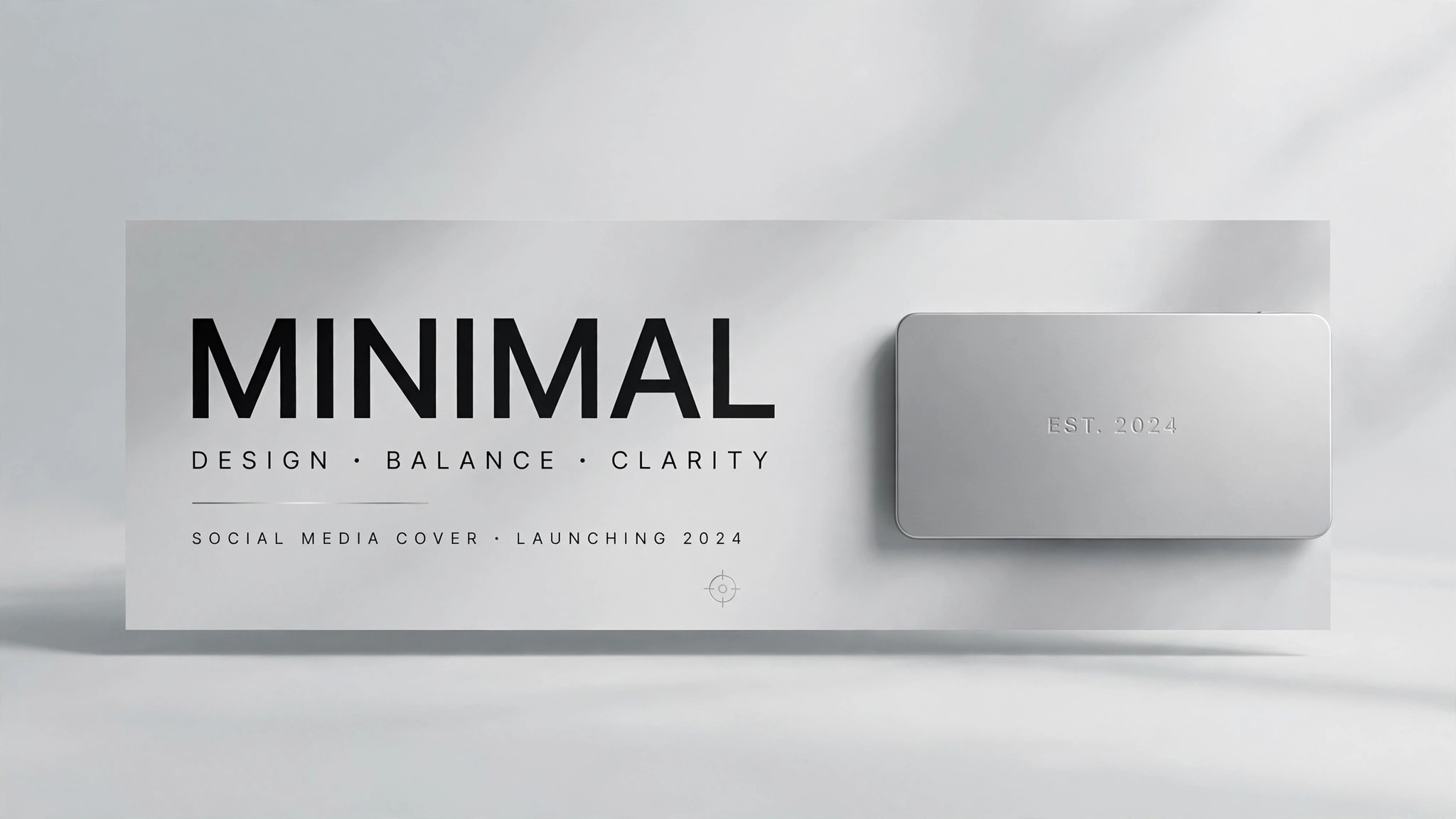
Social Cover
Des couvertures de publication avec 3 recettes de composition — prêtes à l'emploi
 Images
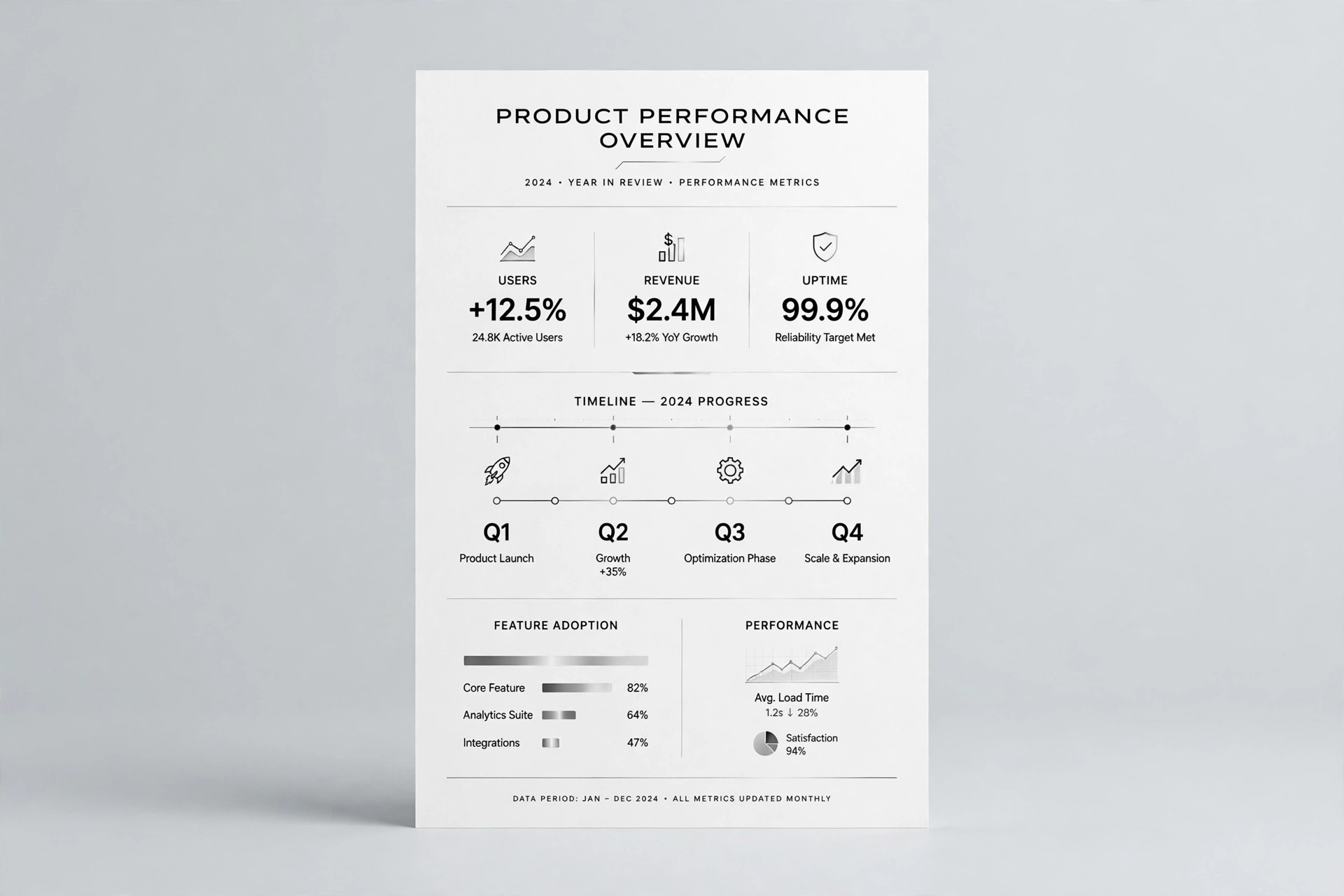
Infographic
Transformez un paragraphe en une image — sans jamais inventer de données
 Images
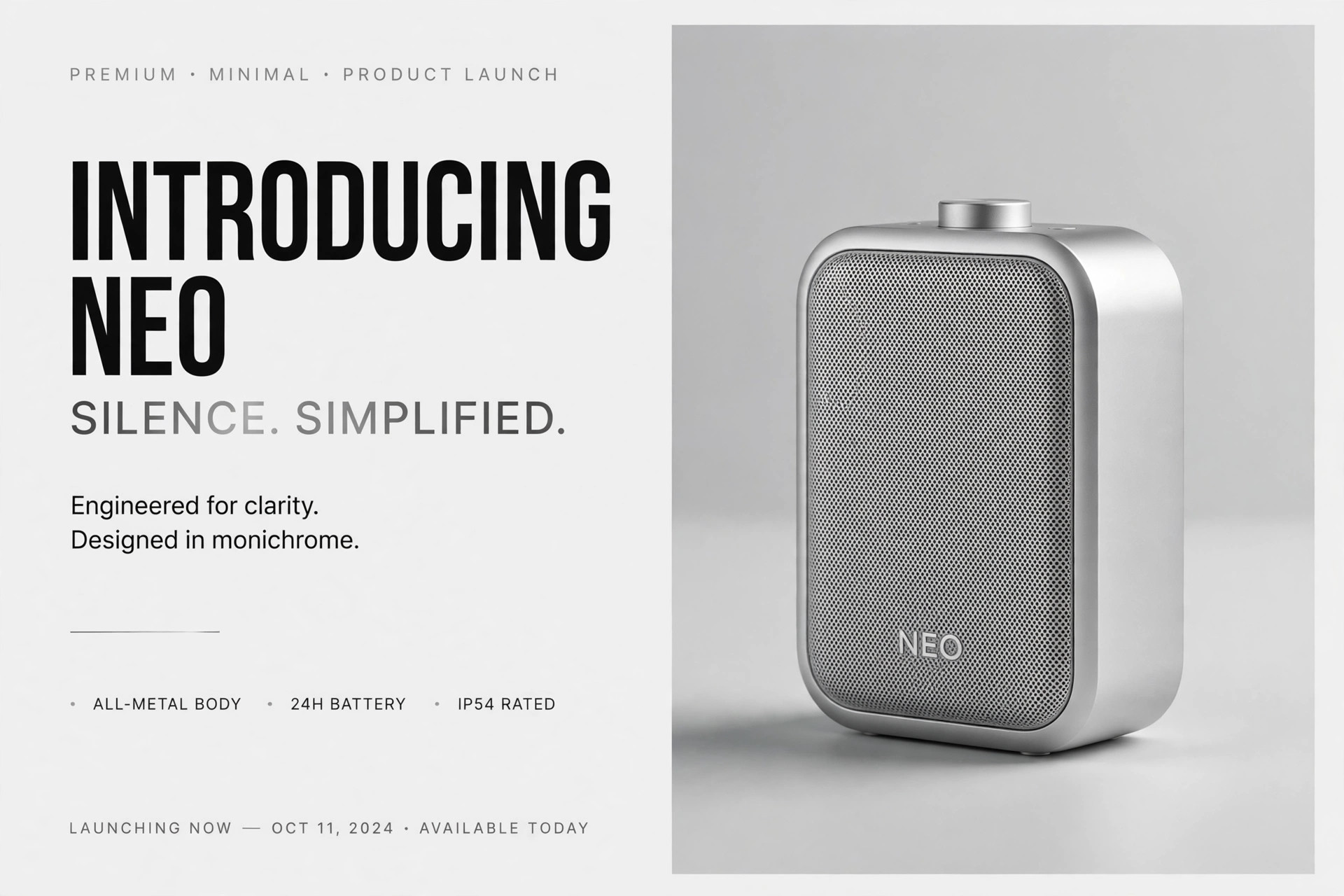
Product Poster
Affiches e-commerce : arguments de vente, ancrage prix et appel à l'action en une fois