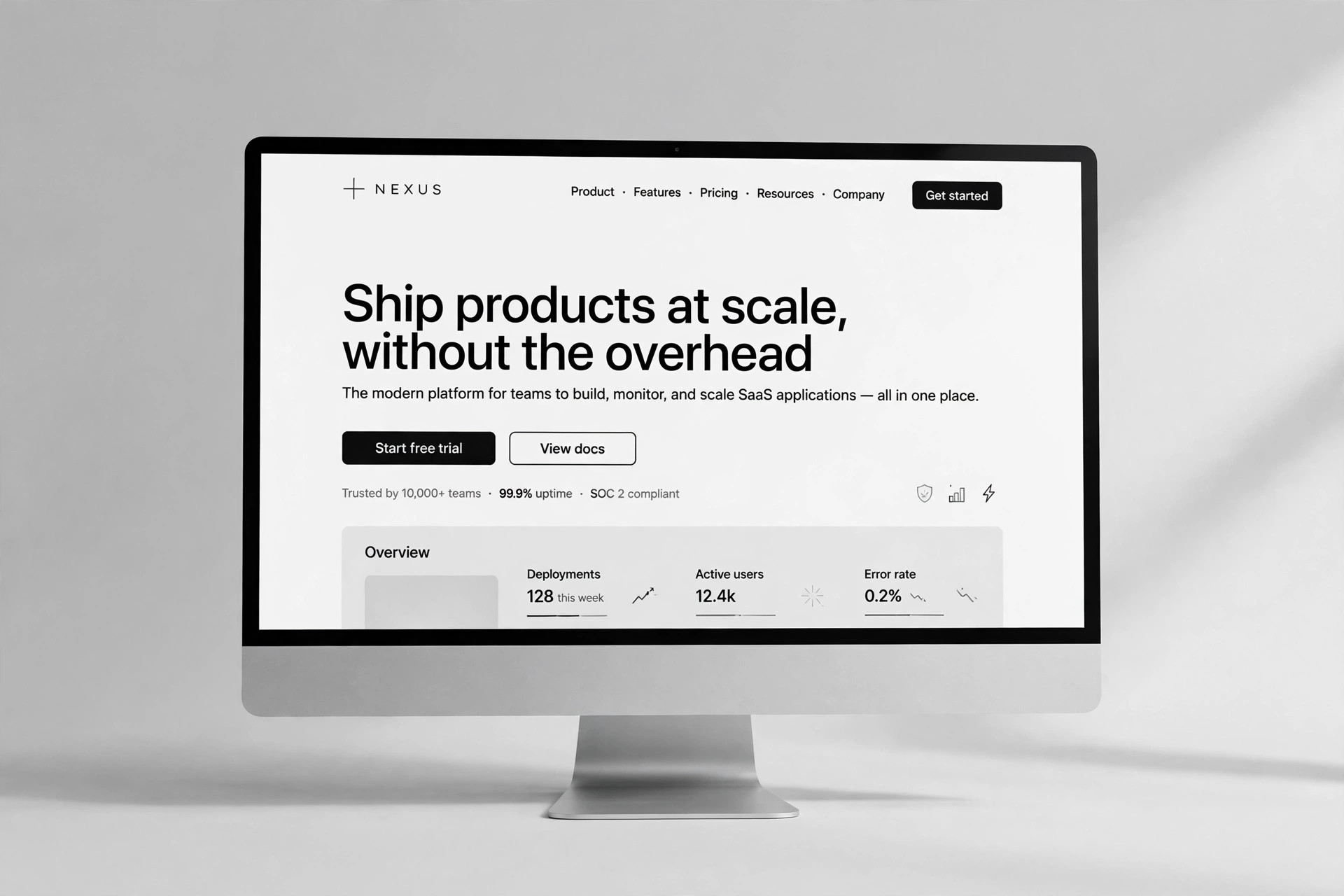
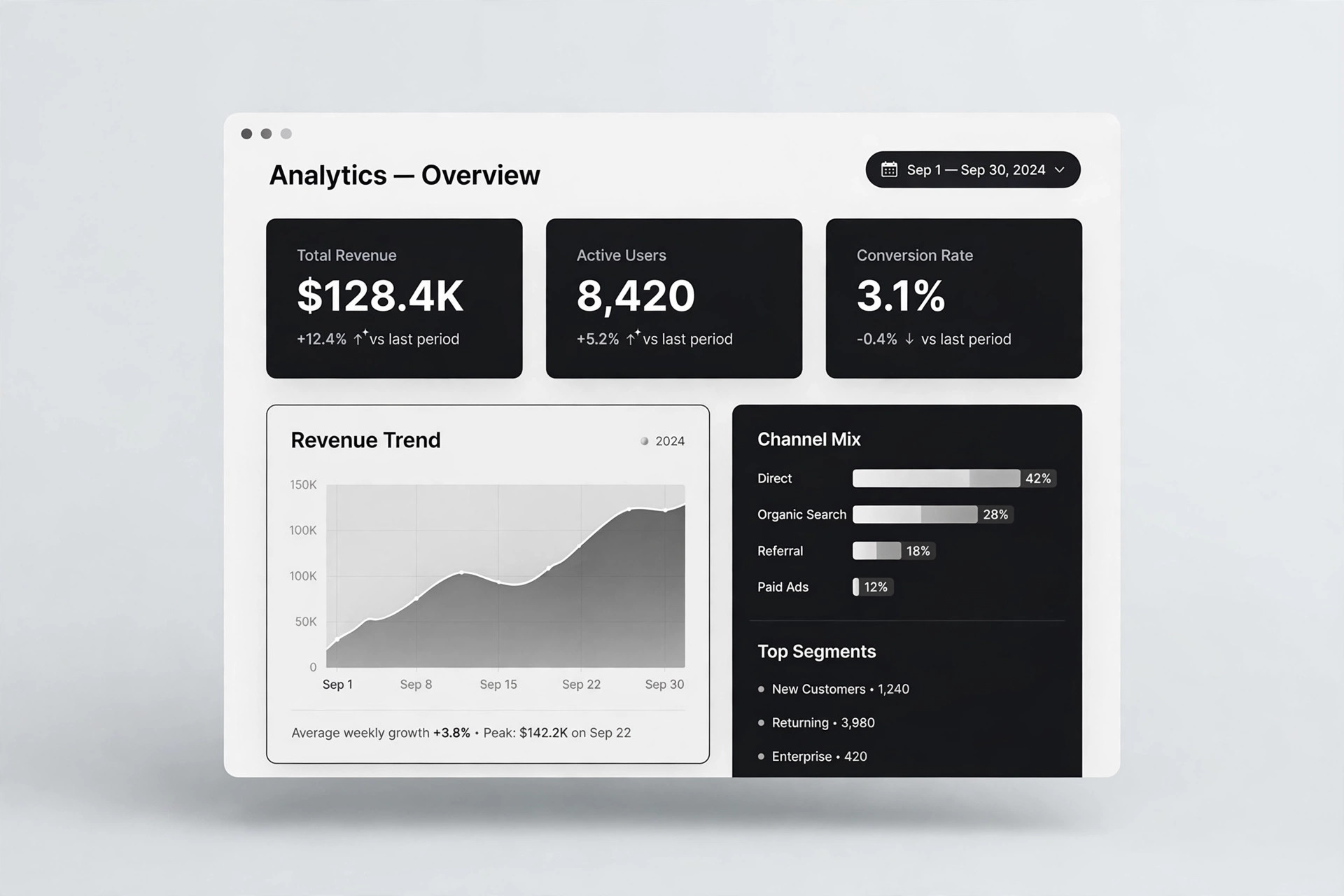
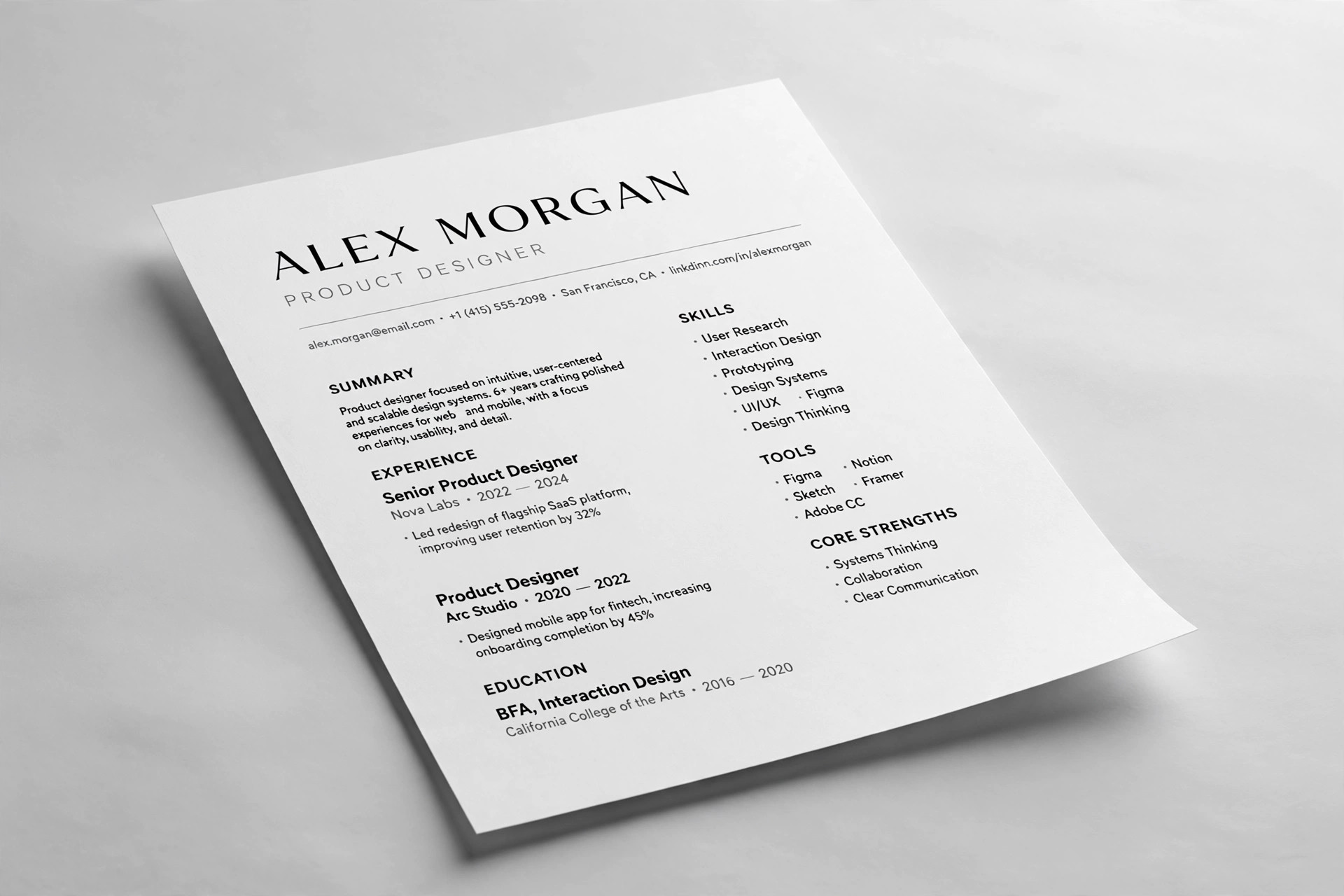
Editorial Personal Brand Landing
Une page qui sonne comme vous — et qui écarte les mauvais clients avant même qu’ils n’écrivent
Transforme le travail, la voix et les preuves d’une personne en une page d’accueil de marque personnelle avec une phrase de positionnement, une offre et une action.
Installez-la en 3 étapes
Sans inscription. Sans outils en ligne de commande. Choisissez votre IA, copiez une ligne, collez-la.
Vous préférez le faire vous-même ? Achetez la compétence ($4.99), téléchargez le ZIP depuis votre confirmation d'achat, décompressez-le dans le répertoire indiqué ci-dessus, redémarrez votre session IA — même résultat. Vous l'avez déjà achetée ? Votre assistant IA peut la télécharger pour vous.
Contenu du pack
Un fichier SKILL.md (le guide pratique) + un modèle de départ. Aperçu :
Editorial Personal Brand Landing
When to use
- You're a freelancer, consultant, coach, or creator and your site reads like a résumé instead of a reason to hire you
- People land on your page and leave without knowing what you actually do or what to do next
- You're pivoting — new audience, new offer — and the old bio no longer describes you
- You keep getting inquiries from the wrong kind of client and want the page to filter them out
- You have strong work but no page that introduces you as a person with a point of view
Workflow
- Write the positioning sentence (input: your work + your audience → output: one positioning sentence)
The page answers one question: who should hire you, for what, and why you specifically. Write it as a single sentence with a named audience and a named outcome: "I help {audience} get {outcome} by {your way of working}." If the sentence works equally well for your competitor, it isn't positioning — it's a job title. The sharpest version usually costs you something: naming who you're for means naming who you're not for, and that is the point. - Collect the proof stack (input: past work, clients, results → output: curated proof items)
Proof is not a list of everything you've done; it's the smallest set that removes doubt. Gather: two or three concrete outcomes with numbers you can stand behind, names or logos you're allowed to show, and two or three short quotes from real clients (with permission — see Notes). Then rank by credibility, not by size: a specific result for a recognizable client beats a vague claim about a famous one. Anything you can't verify or don't have permission to show stays off the page. - Capture your voice (input: how you actually talk and write → output: voice notes)
A personal-brand page fails when it sounds like a corporate brochure wearing your name. Write down three things before drafting: a sentence you'd actually say out loud about your work, one opinion you hold that some peers would disagree with, and one phrase you never want on the page. The draft must sound like the person a client will meet on the first call — if the page promises a warm pragmatist and the call delivers a formal lecturer, the page has lied. - Draft the page in person-first order (input: positioning + proof + voice → output: full page draft)
Structure: hero with the positioning sentence and one action; a short "about" that states your story in three to five sentences (where you came from, what you do now, what you believe); the offer — what working with you looks like, stated plainly with format and price range if you have one; the proof stack; and a single contact path. The order matters: strangers decide from the hero whether to keep reading, and they decide from the offer and proof whether to reach out. Your biography is not the hero — your reader's problem is. - Set the single action and proof the page (input: page draft → output: publishable page)
One page, one action: book a call, send an email, or join a list — pick one and make every button do it. Then proof as a stranger: does the hero say who you're for in five seconds, does the offer state what happens next, is the contact path working, and does the page read like you? Check it on a phone, confirm every quote has permission, and confirm every outcome number is one you'd defend on a call.
Aperçu du modèle
Editorial Personal Brand Landing — Template
One person, one positioning, one action. Fill in order.
Positioning sentence
I help {named audience} get {named outcome} by {your way of working}.
Who this page is NOT for: {say it plainly — the filter is the feature}
Hero
Headline: {positioning sentence, or a shorter version of it} Subline: {one supporting fact — years, niche, or a single outcome} Action button: {one action — book a call / send an email / join the list}
About (3–5 sentences)
{Where you came from} → {What you do now} → {What you believe — one opinion some peers would disagree with}
Le pack de compétence lui-même (SKILL.md + modèle) est rédigé en anglais.