Meridian Marketing Landing
Una oferta, un público, una acción: una página de destino que conoce su trabajo.
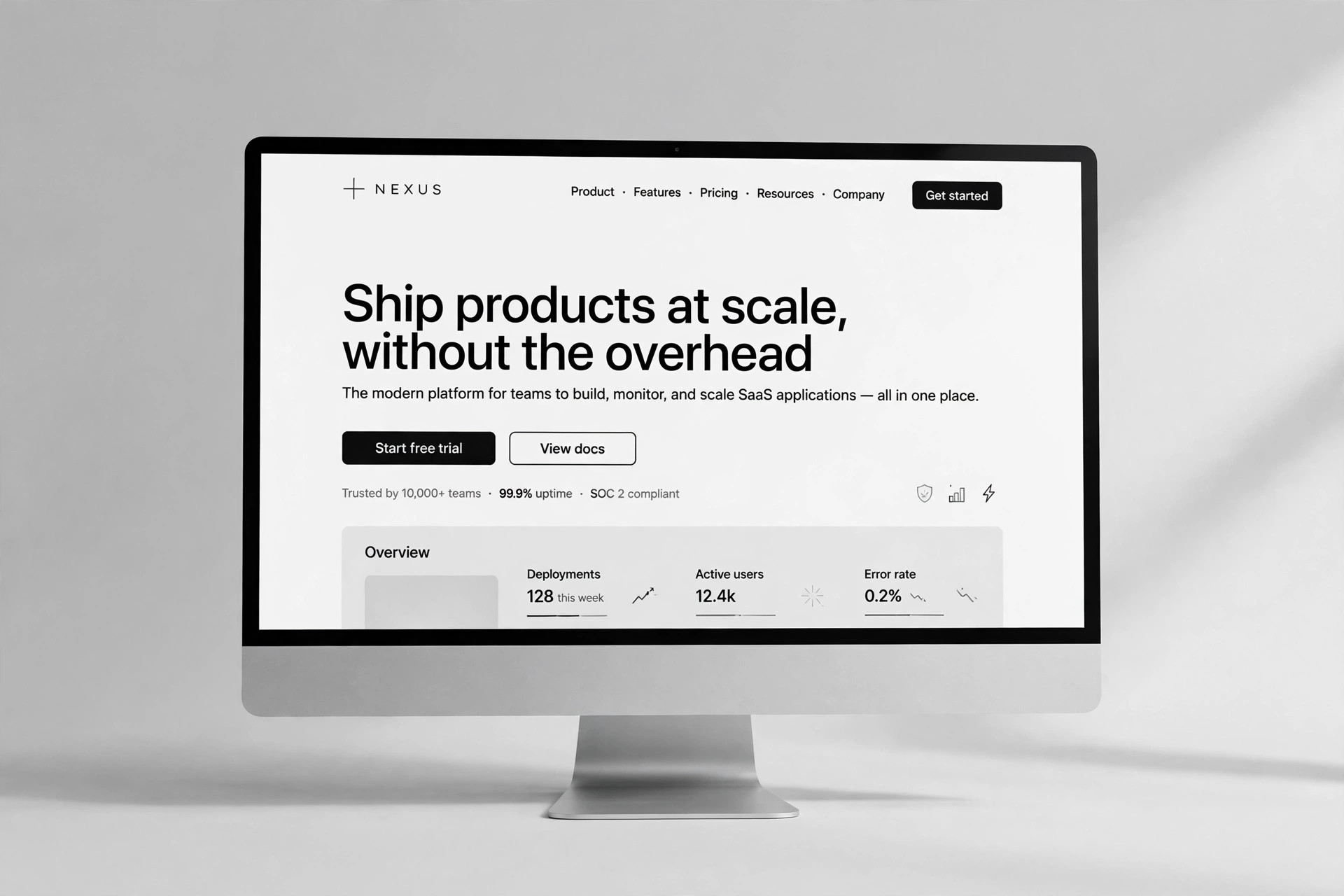
Convierte tu IA en un creador de páginas de destino de marketing: toma una oferta, un público y una acción, y los convierte en un sitio centrado de una página con una sección principal afilada, pruebas creíbles y una sola llamada a la acción.
Instálala en 3 pasos
Sin registro. Sin herramientas CLI. Elige tu IA, copia una línea y pégala.
¿Prefieres hacerlo tú mismo? Compra la habilidad ($4.99), descarga el ZIP desde la confirmación de compra, descomprímelo en el directorio que se muestra arriba y reinicia tu sesión de IA — el mismo resultado. ¿Ya la compraste? Tu asistente de IA puede descargarla por ti.
Qué incluye
Un SKILL.md (la guía paso a paso) + una plantilla inicial. Una vista previa:
Meridian Marketing Landing
When to use
- You are launching one product, feature, or offer and need a page whose only job is to get visitors to take one next step
- Your current homepage tries to serve five audiences at once and converts none of them
- A paid ad, email campaign, or launch post needs a destination that matches the promise that got the click
- You have a waitlist, demo booking, or checkout to fill and no page built specifically for it
- A sales call keeps ending with "send me the link" and you have nothing clean to send
Workflow
- Lock the one job (input: your offer and audience → output: a one-sentence page brief)
Before any copy or layout, write down three things: who the page is for (one audience, named), what they get (one offer, in their words), and what they do next (one action — sign up, book, buy, join). If you cannot fit all three in one sentence, the page is trying to do two jobs — split it or cut one. Everything downstream refers back to this brief; any section that does not serve it gets cut, no matter how clever it is. - Draft the hero (input: page brief → output: hero block)
The hero is the headline, one supporting line, the primary action button, and one visual (product shot, screenshot, or diagram). Write the headline as the outcome the visitor gets, not a description of the product: "Get your first paying customer this week" beats "An all-in-one marketing platform." The supporting line names who it is for and what happens next. The button repeats the action in plain verbs — "Start free," "Book a demo," "Join the waitlist" — never "Learn more" as the primary action. - Build the proof stack (input: your real evidence → output: proof sections)
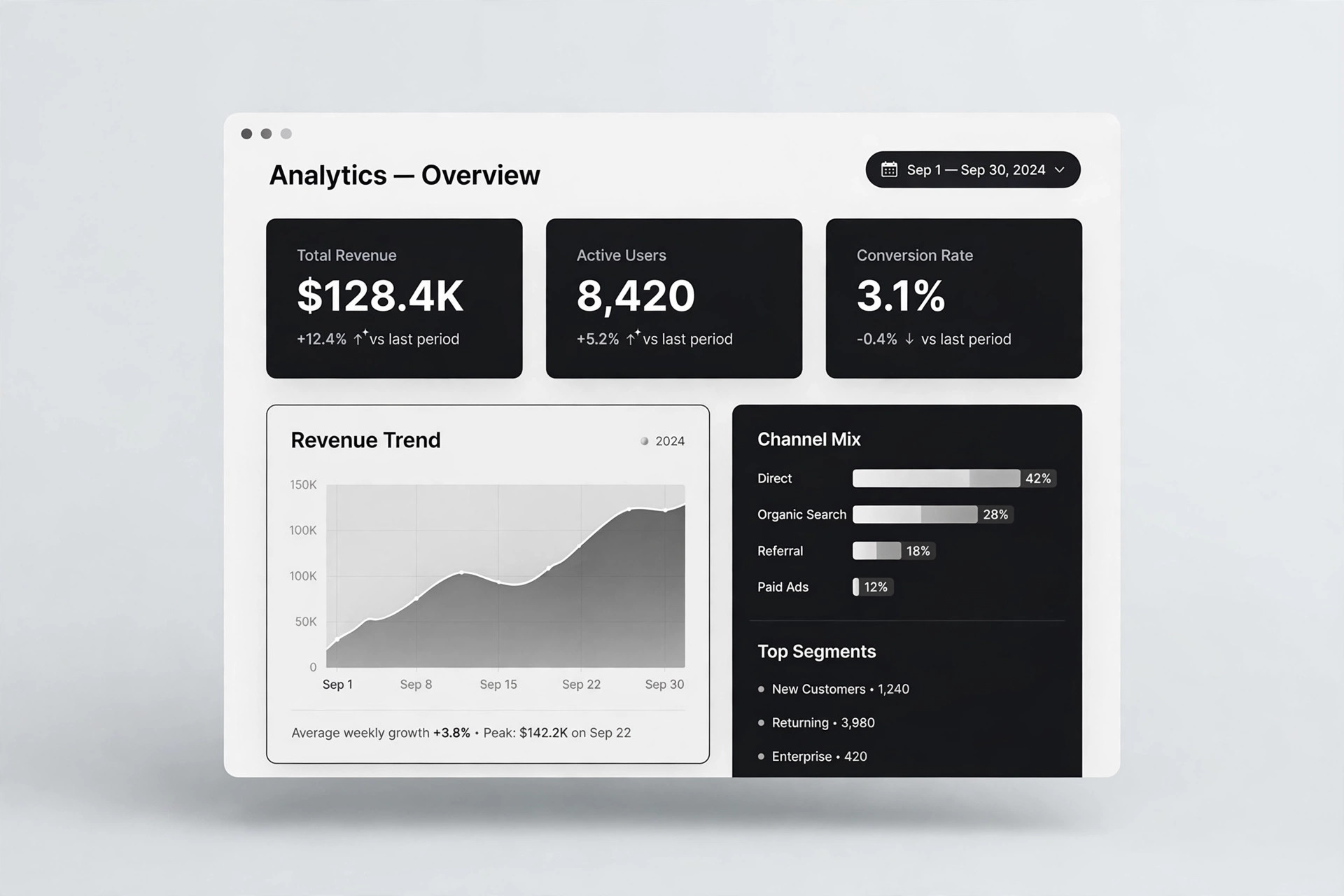
Stack proof in the order a skeptic reads: first, what it does (3–5 features, each stated as a visitor benefit with one concrete detail); second, who it is for (2–3 short use cases, each naming a situation the visitor recognizes); third, why it is true (testimonials, numbers you can actually back up, logos of real customers or partners). Never invent testimonials, customer logos, or statistics — an empty proof section is better than a fabricated one, and a page with one honest quote outperforms a page with five invented ones. - Answer the objections (input: the questions prospects actually ask → output: FAQ and reassurance block)
List the 4–6 questions that come up on sales calls or in support: price, setup time, what happens after signup, cancellation, compatibility, data handling. Answer each in two sentences or fewer, in plain language. Put the reassurance that matters most — money-back terms, no credit card required, cancel anytime — next to the call to action, not buried at the bottom. If nobody has ever asked a question, leave it out; a padded FAQ reads as filler. - Close with one action (input: full draft → output: publish-ready page)
End the page with the same single action from the hero, repeated with the same wording. Then run the cut pass: remove every section, sentence, and link that does not serve the page brief from step 1 — including the second call to action you were tempted to add, the navigation links to unrelated pages, and the "also check out" carousel. A landing page is a corridor, not a lobby: one way in, one way out.
Vista previa de la plantilla
Meridian Marketing Landing — Page Template
Fill in the brief first. Every section below must serve it — if it doesn't, cut it.
Page brief (one sentence)
For {audience}, this page offers {offer} and asks them to {single action}.
Hero
Headline (outcome, ≤12 words): {outcome the visitor gets}
Supporting line: For {audience} — {what happens next, in plain words}.
Primary button: {Start free / Book a demo / Join the waitlist / Buy now}
Visual: {product shot / screenshot / diagram — one image, showing the product in use}
What it does (3–5 features, each a benefit + one concrete detail)
El paquete de la habilidad (SKILL.md + plantilla) está escrito en inglés.