Industrial Identity Artifact
Una identidad de marca construida para sobrevivir a la planta de producción.
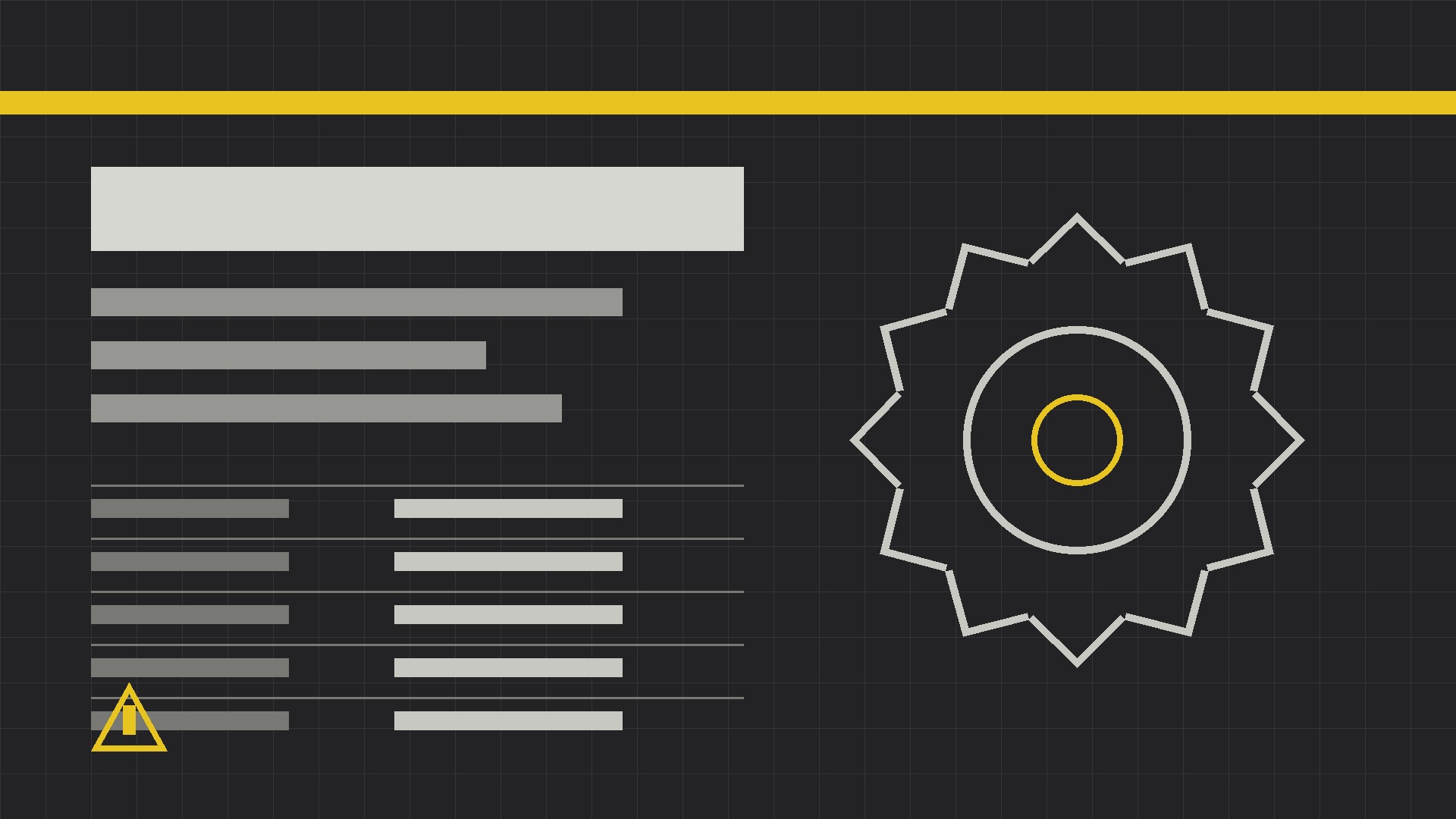
Convierte tu IA en un diseñador de identidad de marca para empresas industriales y manufactureras: un artefacto de identidad completo (marca, tipografía, color, composiciones tipo ficha técnica) construido desde el lenguaje de las fichas de datos, las plantillas de estarcido y la señalización de planta.
Instálala en 3 pasos
Sin registro. Sin herramientas CLI. Elige tu IA, copia una línea y pégala.
¿Prefieres hacerlo tú mismo? Compra la habilidad ($4.99), descarga el ZIP desde la confirmación de compra, descomprímelo en el directorio que se muestra arriba y reinicia tu sesión de IA — el mismo resultado. ¿Ya la compraste? Tu asistente de IA puede descargarla por ti.
Qué incluye
Un SKILL.md (la guía paso a paso) + una plantilla inicial. Una vista previa:
Industrial Identity Artifact
When to use
- Your manufacturing, engineering, or logistics company still runs on a logo made in 2004 and a Word template, and it shows in every quote you send
- You need a brand identity that survives the shop floor — stenciled on crates, printed on spec sheets, welded onto a plate — not just a website header
- Your sales materials look like five different companies made them, and buyers notice before they read a word
- You are launching an industrial product and need packaging, datasheets, and trade-show materials that all clearly come from one company
- Your brand has to read as precise and safe at a distance, in bad light, on rough surfaces
Workflow
- Audit the real artifacts (input: existing materials + site photos → output: audit notes)
Gather everything the brand currently touches: quotes, datasheets, crate labels, uniforms, vehicle markings, trade-show banners, and photos of the factory floor and the product itself. Note what actually survives: which markings stay legible on steel, which labels peel, which colors read in a warehouse. The audit's job is to find the identity that's already living in the company's real objects — the stencil style on the crates, the safety colors on the floor — because the new identity should feel like the company, not like a design agency visited. - Define the mark and the voice (input: audit notes → output: mark brief)
Design a mark that works as a stencil, a stamp, and a 16px favicon: bold geometric letterforms or a simple machine-derived symbol, no thin lines, no gradients, no detail that vanishes at small sizes. Write the voice rules in the same breath: short sentences, measurements in real units, no marketing adjectives the factory couldn't defend. The mark brief states exactly what the mark is, what it must survive (welding, embossing, one-color printing), and where it never appears (on gradients, on photography, below a minimum size). - Set the industrial system (input: mark brief → output: identity system)
Fix the system: one display face with a stencil or condensed cut for headlines, one plain workhorse sans for body and data, a three-color palette (a dark base, a light paper/steel tone, and one high-visibility accent used sparingly for warnings and calls to action), and a grid derived from the datasheet — ruled tables, labeled diagrams, tolerance-style specs. Every element gets a rule for its harshest use: the palette must read on cardboard in a warehouse, the type must read on a label at arm's length. - Build the artifact set (input: identity system → output: artifact set)
Produce the real documents the company will use daily, all in the new system: the one-page identity sheet (mark, clear space, minimum sizes, color values, do/don't list), the datasheet template (spec table, diagram slot, tolerance notes, footer with company mark), the quote/proposal template, the crate/shipping label, and one trade-show banner. Each artifact is a finished, usable file — not a mood board. If an artifact can't be filled in by an office manager in Word or a PDF editor, it gets simplified until it can. - Stress-test and hand off (input: artifact set → output: final identity pack)
Test every artifact where it will actually live: print the label and stick it on a crate, view the datasheet in black-and-white photocopy, shrink the mark to favicon size, check the banner from ten meters. Fix whatever fails — a mark that needs color to be recognized fails, a datasheet that breaks when photocopied fails. Hand off the final pack: identity sheet, templates, color and type values, and a one-page "how to use this" guide written for non-designers.
Vista previa de la plantilla
Industrial Identity Artifact — Build Template
One company = one completed template. Audit the real artifacts before designing anything.
Company: {name} — {what it makes / does}
Audit notes
Existing materials collected: {quotes / datasheets / labels / uniforms / vehicles / banners} What survives in real conditions: {legible on steel / peels / reads in warehouse light / ...} Identity already living in the company's objects: {stencil style on crates / floor safety colors / ...} Inconsistencies found: {different logos / mismatched templates / ...}
Mark brief
- Mark concept: {bold geometric letters / machine-derived symbol — describe it}
El paquete de la habilidad (SKILL.md + plantilla) está escrito en inglés.
También te puede interesar
 Otros
Continuity Asset Set
Un kit que hace que cada entregable parezca parte del mismo conjunto.
 Otros
Device-Canvas Product Launch
Un gran lienzo de dispositivo carga con toda tu historia de lanzamiento.
 Otros
Frame-Token Editorial Launch
Un solo conjunto de tokens, todos los materiales, cero desviaciones.