Incident Disclosure Communicator
Convierte una cronología de divulgación de vulnerabilidades en un aviso claro sobre el que tus usuarios puedan actuar de verdad.
Un flujo basado en plantillas para redactar avisos de seguridad — cronología, alcance afectado, impacto y acciones del usuario — usando el arco de divulgación de CVE-2026-98432 (CVE publicado el 15 de octubre, escalada de Red Hat el 30 de octubre, fixes de RHEL el 1 de noviembre) como cronología de referencia.
Instálala en 3 pasos
Sin registro. Sin herramientas CLI. Elige tu IA, copia una línea y pégala.
¿Prefieres hacerlo tú mismo? Compra la habilidad ($4.99), descarga el ZIP desde la confirmación de compra, descomprímelo en el directorio que se muestra arriba y reinicia tu sesión de IA — el mismo resultado. ¿Ya la compraste? Tu asistente de IA puede descargarla por ti.
Qué incluye
Un SKILL.md (la guía paso a paso) + una plantilla inicial. Una vista previa:
Incident Disclosure Communicator
The idea in one paragraph
Most security advisories fail in the same way: they bury the timeline, hedge the affected scope, and leave users guessing what to do before lunch. Good disclosure communication is a writing discipline, not a PR exercise. This skill walks you through assembling a verified timeline, stating exactly who is affected, describing impact without hype, and giving users a short list of actions ordered by urgency. The reference case is CVE-2026-98432: a kernel CVE published October 15, escalated by Red Hat to Critical on October 30 with an interim nftables rule, and followed by RHEL fixes on November 1 — while Ubuntu remained listed as vulnerable. That arc shows what users need at each stage: what happened, whether it touches them, and what to do right now.
What it is built on
Only verified facts from the public record are used as the reference timeline:
- The kernel team published CVE-2026-98432 on October 15 (fix written by Eric Dumazet on October 1, flaw reported by researcher Xinyang Ge).
- Fixed kernels (5.10.272, 5.15.223, 6.1.190, 6.6.159, 6.12.113, 6.18.56, 7.2.10, 7.3) were released between October 11 and October 18.
- Red Hat raised the severity to Critical on October 30, published an nftables interim filtering rule, and pushed RHEL 8/9/10 fixes on November 1.
- Ubuntu was still listed as "Vulnerable" as of November 1; Debian, Oracle, Amazon, and SUSE were partially patched.
- As of November 1 there was no confirmed exploitation in the wild, and the CVE was not in CISA KEV.
- Per Anthropic's October 27 blog post, an unreleased research model had written a working remote-root exploit (53 minutes, no credentials), which is why prompt, clear communication mattered even before any wild exploitation.
Workflow
- Assemble the verified timeline (input: vendor advisories, CVE record, distro notices -> output: dated timeline with sources). Collect every date from primary sources only: when the flaw was reported, when the fix was written, when the CVE was published, when each distro acted. For the reference case that means October 1 (fix), October 11-18 (fixed kernels), October 15 (CVE published), October 27 (Anthropic blog post), October 30 (Red Hat escalation and interim rule), November 1 (RHEL fixes; Ubuntu still vulnerable). Every entry gets its source link. If a date is unconfirmed, mark it as such instead of smoothing the story.
- Define the affected scope in plain terms (input: timeline plus technical details -> output: "you are affected if" checklist). Translate the technical scope into conditions a user can check in a minute: kernel since 4.4 without the fix, specific distro releases and their patch states, configurations that widen exposure (such as MPTCP listeners, which Go 1.24+ enables by default). Name who is not affected too — that sentence saves your support queue.
- Write the user action section first (input: scope checklist -> output: ordered action list). Before drafting the narrative, write what users should do, in order: check their kernel version, check their distro advisory, apply the patch or the interim mitigation, verify afterward. Each action gets the exact command or link. If no fix exists yet for some users, say so and give them the interim step plus when to check back.
- Draft, review, and publish (input: timeline, scope, actions -> output: published advisory plus update log). Write the advisory in this order: what happened (two sentences), who is affected (the checklist), what to do (the action list), then the timeline and links. Have someone technical review it for accuracy and someone non-technical review it for clarity. Publish with a visible "last updated" stamp, and log every revision — advisories are living documents while patches roll out.
Vista previa de la plantilla
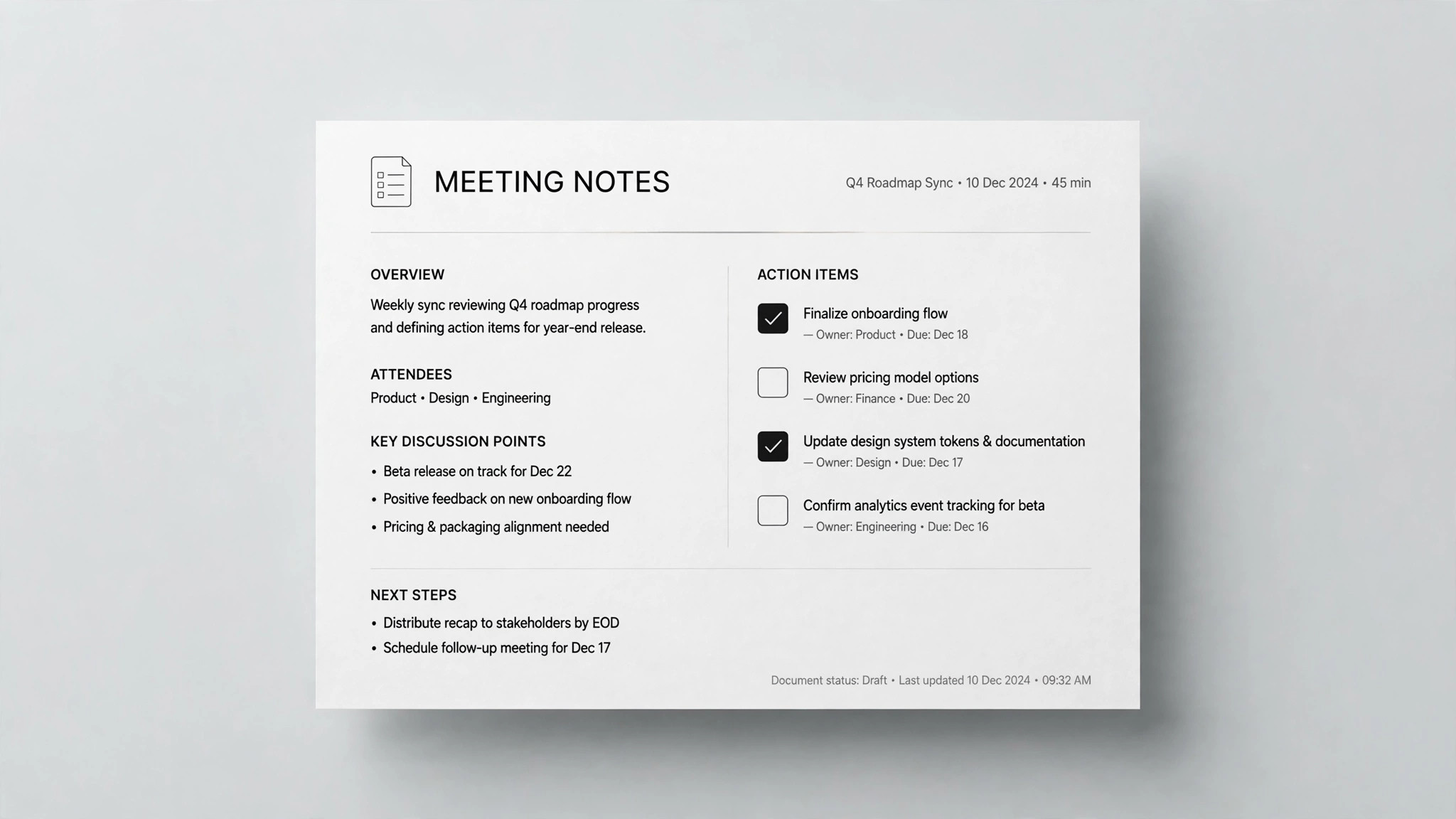
Incident Disclosure Advisory Worksheet
Draft the advisory here, then publish. Keep every source link.
1. Verified timeline
Reference arc (CVE-2026-98432): Oct 1 fix written / Oct 11-18 fixed kernels released / Oct 15 CVE published / Oct 27 research-model exploit disclosed / Oct 30 Red Hat escalation + interim rule / Nov 1 RHEL fixes, Ubuntu still vulnerable.
2. Affected scope — "you are affected if" checklist
- [ ] Condition a user can check in a minute:
- [ ] Condition a user can check in a minute:
- [ ] Condition a user can check in a minute:
Who is NOT affected (write this sentence; it saves the support queue):
3. User actions, in order
El paquete de la habilidad (SKILL.md + plantilla) está escrito en inglés.