Ember E-Bike Store
Las especificaciones convertidas en rutas: una página de tienda que responde cada duda antes de la compra
Convierte la ficha técnica de una bici eléctrica en una página de tienda: el par motor y la autonomía traducidos a viajes reales, comparativas honestas y un bloque de compra completo y sin presiones.
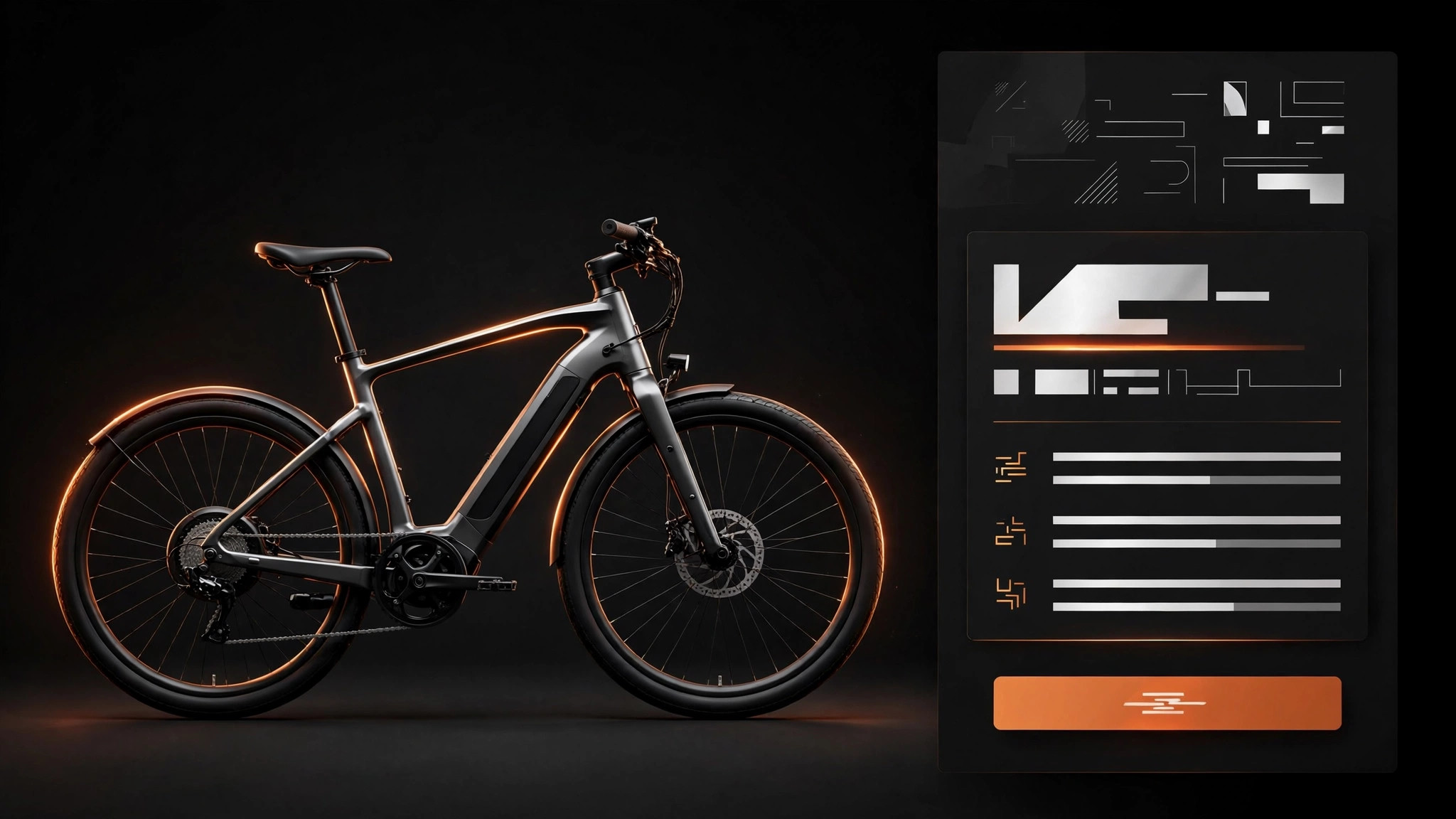
Instálala en 3 pasos
Sin registro. Sin herramientas CLI. Elige tu IA, copia una línea y pégala.
¿Prefieres hacerlo tú mismo? Compra la habilidad ($4.99), descarga el ZIP desde la confirmación de compra, descomprímelo en el directorio que se muestra arriba y reinicia tu sesión de IA — el mismo resultado. ¿Ya la compraste? Tu asistente de IA puede descargarla por ti.
Qué incluye
Un SKILL.md (la guía paso a paso) + una plantilla inicial. Una vista previa:
Ember E-Bike Store
When to use
- Your e-bike product page is a spec sheet — watts, newton-meters, amp-hours — and buyers leave unsure what any of it means for their ride
- Shoppers keep asking the same questions (real range? hills? weight? warranty?) that the page should already answer
- You sell one hero e-bike model (or a small range) and need a page that sells the ride, not the component list
- Your returns or support load is high because buyers expected a different bike than the one that arrived
- You're launching a store page for a new model and want the copy right the first time
Workflow
- Name the buyer and their ride (input: who buys + how they'll ride → output: buyer + primary ride profile)
An e-bike page sells one ride first. Define the primary buyer (commuter, hill-climbing leisure rider, trail rider, cargo hauler) and their defining ride: distance, terrain, and what they carry. Write it as a concrete trip — "12 km each way, one steep hill, a laptop and groceries" — not a demographic. If the bike genuinely serves two buyers, pick the primary one for the hero section and give the second a clearly marked section lower down; a page that opens by serving everyone serves no one. - Translate every spec into a ride (input: spec sheet → output: translated spec table)
Go through the spec sheet line by line and translate each number into what the rider feels or does: motor torque becomes "pulls you up a 12% hill without standing," battery becomes "about 60–90 km on flat ground at medium assist — less on hills, more on eco," weight becomes "heavy to carry up stairs, steady at speed." Keep the raw numbers too, in a spec table for the buyers who want them — translation replaces nothing, it adds meaning. Where a number depends on conditions (range above all), say so plainly and give the range of outcomes, not the best case. - Structure the page as a buying journey (input: translated specs + buyer profile → output: page draft)
Order: hero (the bike, the ride, the price — one screen), the ride story (what a week on this bike feels like, in plain sentences), the translated specs (the five numbers that decide a purchase, explained), the honest comparison (this model vs. your next model up or down, or vs. a regular bike — who should buy which), sizing and fit, then the trust block (warranty, returns, servicing, delivery and assembly). The comparison is not a trap — a buyer steered to the right bike is a buyer who doesn't return it. - Answer the pre-purchase worries (input: support questions + return reasons → output: worry-answering sections)
List the questions that actually reach support or kill sales — real range, hill performance, weight and carrying, battery lifespan and replacement cost, waterproofing, theft, servicing, what happens if something breaks — and answer each on the page in two or three plain sentences. Put the answers where the doubt arises (range next to the battery, weight next to the frame), not in an FAQ graveyard at the bottom. If the honest answer is a limitation ("not built for steep off-road trails"), say it: the buyer who reads that and buys anyway is the buyer who keeps the bike. - Make the buy button boring and safe (input: page draft + checkout → output: publishable store page)
The purchase block should be the calmest part of the page: price with everything included (bike, charger, delivery — no surprise fees at checkout), delivery time and assembly state (what arrives, what the buyer has to do, what tools are needed), warranty terms in plain words, return terms in plain words, and payment options. Then walk the whole path as a buyer on a phone: page to checkout to confirmation, checking that every promise on the page matches what checkout says. A store page that overpromises at the top and contradicts itself at checkout doesn't just lose the sale — it earns a chargeback.
Vista previa de la plantilla
Ember E-Bike Store — Template
Sell the ride, not the component list. Translate every spec; answer every worry in place.
Buyer + ride profile
Primary buyer: {commuter / leisure rider / trail rider / cargo hauler} Defining ride: {concrete trip — distance, terrain, what they carry, e.g. "12 km each way, one steep hill, laptop and groceries"} Secondary buyer (if any): {buyer} — gets a marked section lower down, not the hero
Hero (one screen)
Bike: {model name} The ride, in one line: {what a week on this bike feels like} Price: {all-in price} — includes: {bike, charger, delivery}
Ride story
El paquete de la habilidad (SKILL.md + plantilla) está escrito en inglés.