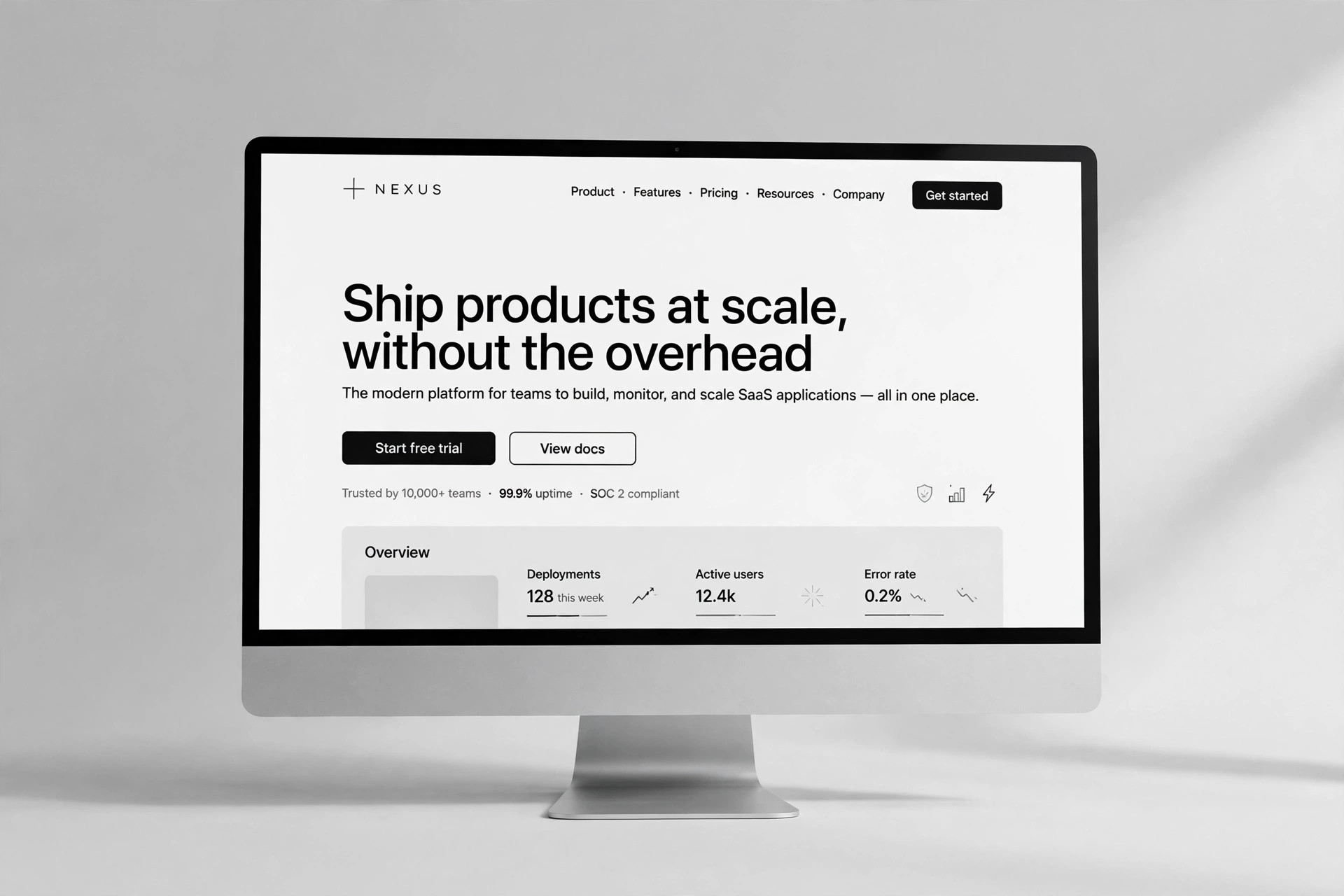
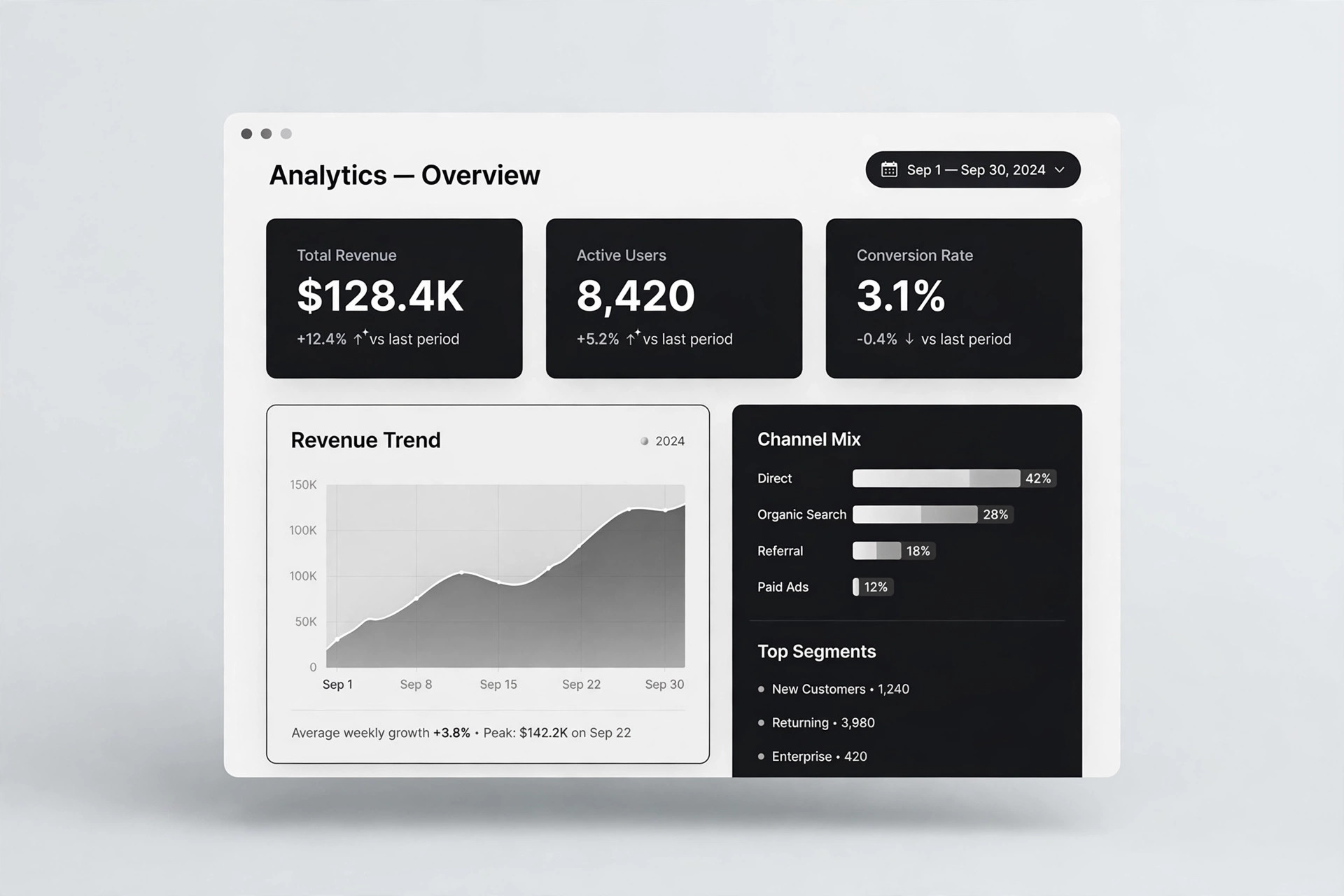
Bluewave Podcast Site
Un hogar de una página para tu podcast: episodios, reproductor y enlaces de suscripción
Un constructor de sitios para podcasts que produce un sitio de una sola página para tu programa, con lista de episodios, un reproductor de audio funcional, notas del programa con buscador, biografías de los presentadores y enlaces de suscripción.
Instálala en 3 pasos
Sin registro. Sin herramientas CLI. Elige tu IA, copia una línea y pégala.
¿Prefieres hacerlo tú mismo? Compra la habilidad ($4.99), descarga el ZIP desde la confirmación de compra, descomprímelo en el directorio que se muestra arriba y reinicia tu sesión de IA — el mismo resultado. ¿Ya la compraste? Tu asistente de IA puede descargarla por ti.
Qué incluye
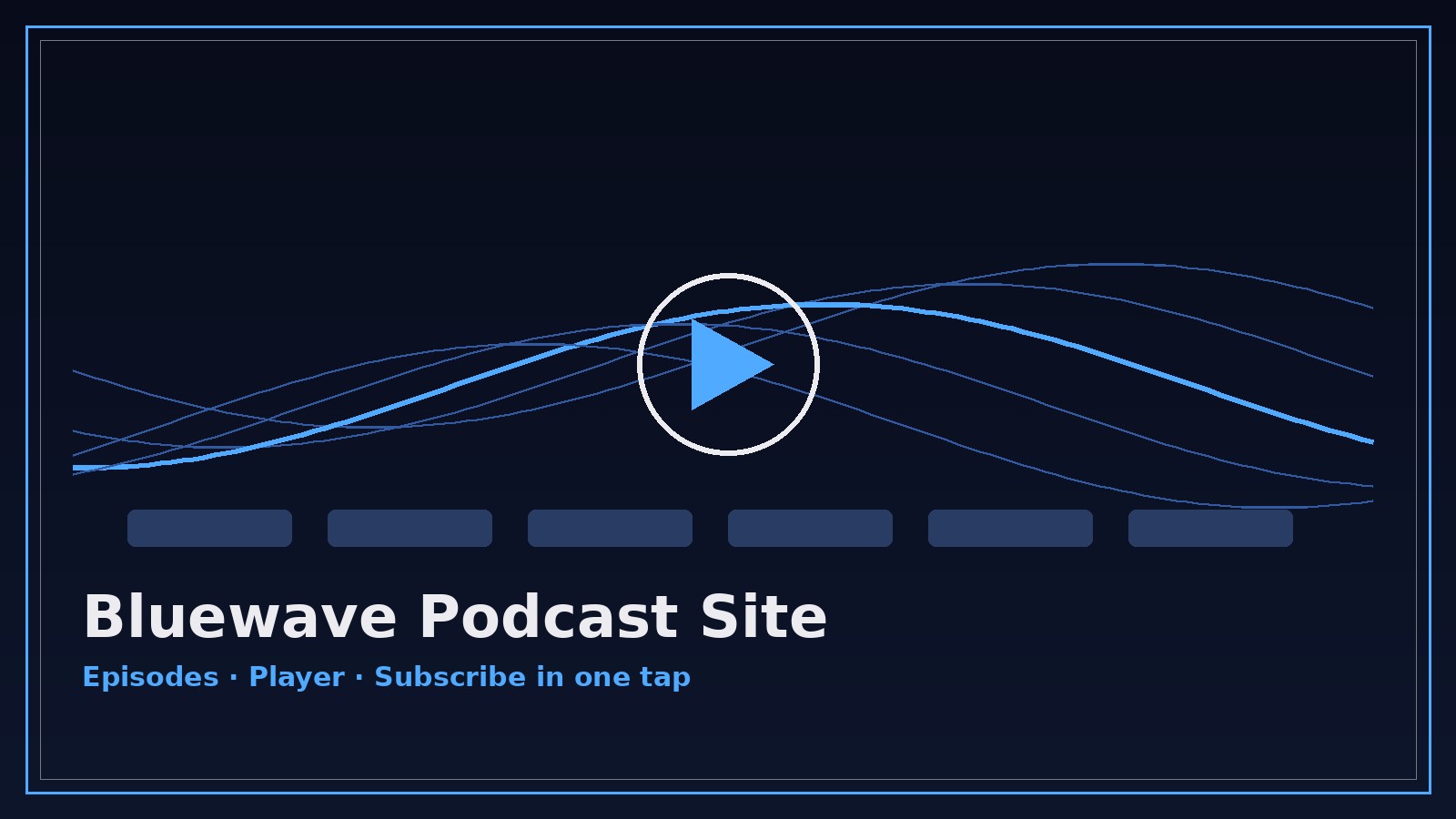
Un SKILL.md (la guía paso a paso) + una plantilla inicial. Una vista previa:
Bluewave Podcast Site
When to use
- Your podcast lives only on Spotify or Apple and you want a home base you actually own
- You're launching a new show and need a site ready before episode one drops
- Listeners keep asking "where do I start?" and you need a curated start-here path for new arrivals
- You want every episode to have show notes that search engines can find, not just audio locked inside an app
- A guest or sponsor asks for your press kit and you have nothing to send but a link to your feed
Workflow
- Gather the show facts (input: podcast feed URL or show details → output: show fact sheet)
Collect the show name, tagline, cover art, host name(s) and bios, the RSS feed URL, and the subscribe links (Apple, Spotify, and anywhere else you publish). Add a one-paragraph description of who the show is for and what a listener gets from a typical episode. No feed URL, no site — the feed is what keeps episode listings fresh automatically. - Shape the page structure (input: show fact sheet → output: page outline)
The page runs in this order: hero (show name, tagline, cover art, play-latest button) → start-here row (3 best episodes for newcomers) → episode list (newest first, with search) → about the host(s) → subscribe block → contact / guest pitch. Everything above the fold answers two questions: what is this show, and how do I listen right now. - Build the episode listings (input: RSS feed → output: episode cards with show notes)
Each episode gets a card: number, title, date, duration, a playable audio element wired to the feed's enclosure URL, and show notes in plain text with timestamps and links. Show notes are written for readers, not transcribed word-for-word — a listener skimming should get the episode's key points in thirty seconds. - Wire the player and subscribe paths (input: episode cards → output: working site)
The player must work without JavaScript tricks: a native audio element per episode, with the latest episode playable from the hero. Subscribe buttons link to the real platform pages, and the RSS feed itself is linked and discoverable for podcast apps. Test on a phone over a slow connection — if the page is heavy, the cover art is the first thing to slim down, never the player. - Launch and check (input: working site → output: live site + verification pass)
Publish the page, then verify as a stranger would: search the show name, open the page on a phone, press play on the latest episode, follow a subscribe link, and check one episode's show-notes links. Confirm the feed link validates and the page loads fast enough that a first-time visitor doesn't bounce before the audio starts.
Output spec
Vista previa de la plantilla
Bluewave Podcast Site — Template
One show = one fact sheet + one page outline. Fill both in before building.
Show: {show name}
Tagline: {one line} | RSS feed: {feed URL} | Cover art: {file / URL}
Who the show is for: {audience} | What a listener gets: {one paragraph}
Hosts
Subscribe links
Start-here row (3 best episodes for newcomers)
Episode card format (copy per episode)
Ep. {n} — {title} | {date} | {duration}
> {2–3 sentence summary}
In this episode:
- [{timestamp}] {segment / takeaway}
- [{timestamp}] {segment / takeaway}
Links mentioned: {name — URL}, {name — URL}
Audio: {enclosure URL from feed}
El paquete de la habilidad (SKILL.md + plantilla) está escrito en inglés.