Alpine Travel Agency Landing
Cumbres que detienen el scroll y datos que cierran la reserva
Construye una landing page para una agencia de viajes de montaña: un hero de cumbres con una promesa concreta, tarjetas de itinerarios explorables con datos reales y un camino de reserva que responde a las preguntas del viajero antes de que las haga.
Instálala en 3 pasos
Sin registro. Sin herramientas CLI. Elige tu IA, copia una línea y pégala.
¿Prefieres hacerlo tú mismo? Compra la habilidad ($4.99), descarga el ZIP desde la confirmación de compra, descomprímelo en el directorio que se muestra arriba y reinicia tu sesión de IA — el mismo resultado. ¿Ya la compraste? Tu asistente de IA puede descargarla por ti.
Qué incluye
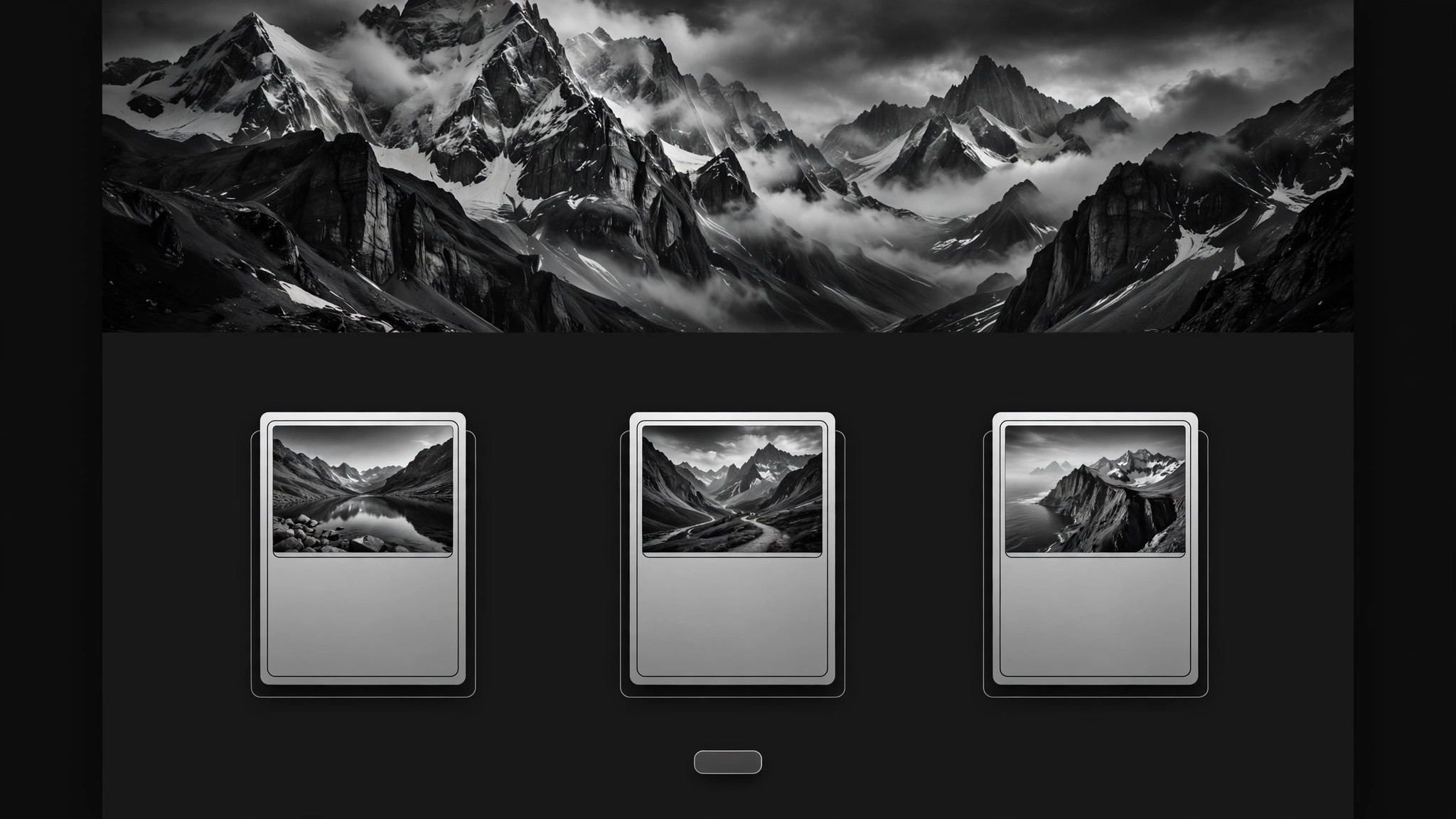
Un SKILL.md (la guía paso a paso) + una plantilla inicial. Una vista previa:
Alpine Travel Agency Landing
When to use
- You run a mountain-travel agency — guided hikes, ski trips, hut-to-hut treks — and your current page is a photo gallery with a phone number at the bottom
- You are launching a new season, route, or trip type and need a page that turns interest into enquiries
- Travelers keep asking the same questions before booking (fitness level, what's included, when to go) and those answers live only in your inbox
- You want the page to sell the experience — the peaks, the guides, the small groups — without overselling what the trip actually is
- You need a landing page that works on a phone held on a train, because that is where most trip research happens
Workflow
- Define the trip promise (input: your trips and travelers → output: one-page brief)
Write down: who the trips are for (first-time hikers, experienced alpinists, families), which trips the page covers, what is genuinely included, and what the booking step is (enquiry form, deposit, phone call). Be specific about difficulty and group size — "small groups" means nothing; "max 8, two guides" means something. This brief is the contract every section below must honor. - Build the hero (input: brief → output: hero section)
The hero does three jobs: a peaks image that makes someone stop, a headline naming the experience and who it is for, and one clear action (browse trips or check dates). Keep the headline concrete — "Guided hut-to-hut treks in the Dolomites, max 8 hikers" beats "Discover the mountains of your dreams." Put the action button where a thumb can reach it on mobile, and do not let the hero sprawl past one screen: the trips are below, and scrolling is the ask. - Lay out the itineraries (input: trip details → output: itinerary cards)
Each trip gets a card with the facts a traveler actually compares: duration, dates or season, difficulty, group size, starting price, and one line on what makes it different. Link each card to its full itinerary. Order the cards by what you most want to sell, not alphabetically — the first card gets the most eyes. If a trip has fixed departure dates, show the next one on the card; "dates on request" on every card reads as "nothing is actually running." - Answer before they ask (input: traveler questions → output: practical section)
Add the section that saves you ten emails a day: fitness and experience needed, what is included and excluded, gear and preparation, travel to the meeting point, and cancellation terms. Write it in plain language with real specifics — "you should be comfortable walking 6 hours with a daypack" beats "moderate fitness required." This section is where trust is built; vague reassurance here costs bookings. - Close with booking and proof (input: booking step + past trips → output: closing section)
End with the booking path made embarrassingly obvious: what happens after they enquire, how fast you reply, and whether a deposit holds a place. Below it, put proof that is verifiable — a short quote from a named past traveler (with their permission), trip dates that are real, and guide credentials stated plainly. Then check the whole page on a phone: every button tappable, every card readable, the enquiry form completable in under two minutes.
Vista previa de la plantilla
Alpine Travel Agency Landing — Page Template
One page per trip collection. Fill in with the agency's real trips, prices, and dates.
Agency: {name} | Trips on this page: {trip types}
Who the trips are for: {first-time hikers / experienced alpinists / families / …}
Booking step: {enquiry form / deposit / phone call} — Response time: {e.g. within 24 hours}
Hero
Headline: {place + trip type + who it is for — concrete, e.g. "Guided hut-to-hut treks in the Dolomites, max 8 hikers"}
Subline: {one supporting line}
Primary action: {e.g. "See summer departures"} → {destination}
Itineraries
Practical info
El paquete de la habilidad (SKILL.md + plantilla) está escrito en inglés.