Tidal Service Playbook Deck
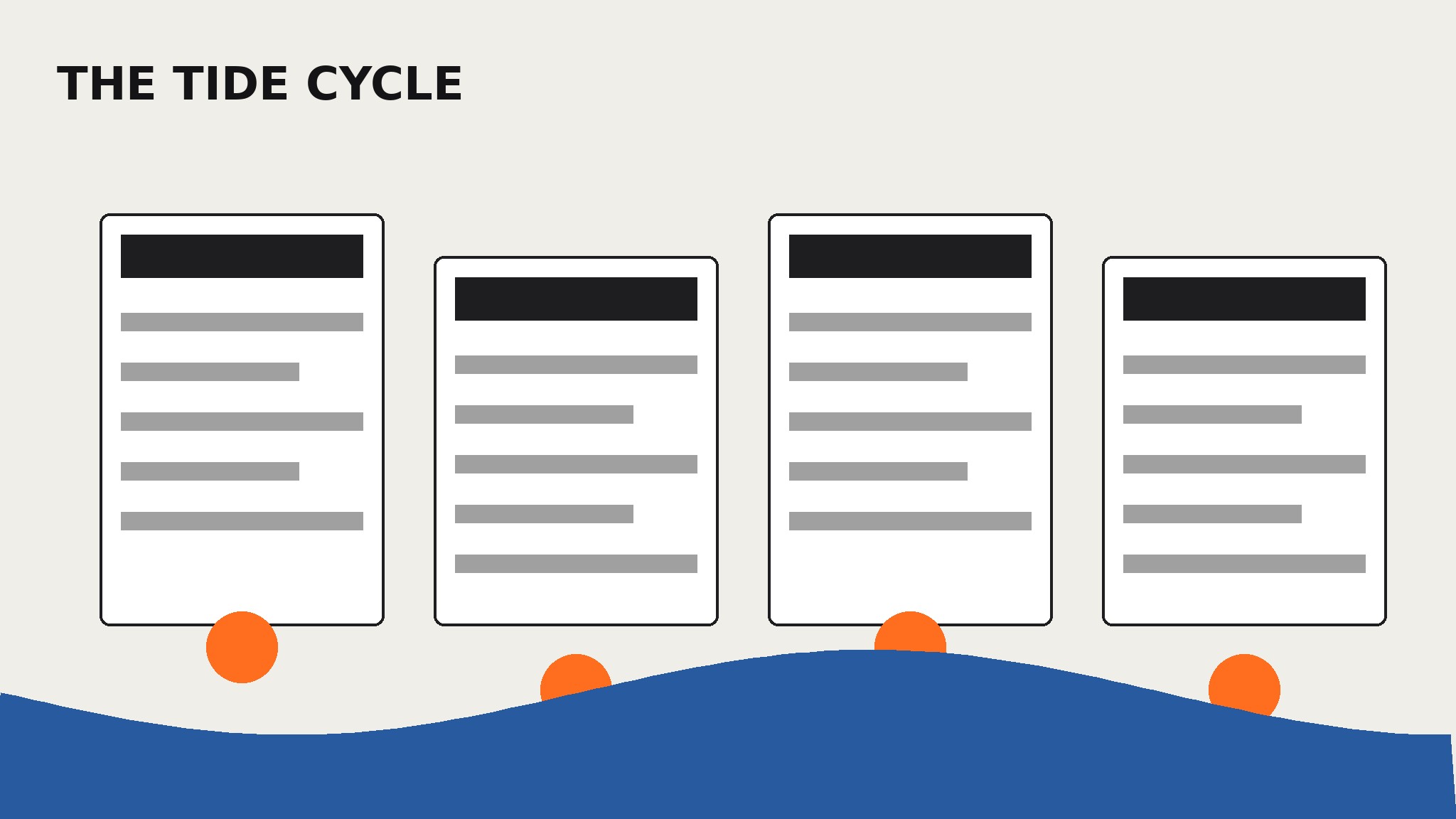
Ein Service-Playbook im Rhythmus der Gezeiten — Aufnahme, Vertiefung, Lieferung, Review.
Verwandelt Ihre KI in einen Autor für Service-Playbooks — erstellt ein kundenorientiertes Deck, das Ihren Service im Rhythmus der Gezeiten führt: Aufnahme, konzentrierte Arbeit, Lieferung und Review, mit dem Takt, den Übergaben und den Checklisten, die jede Phase braucht.
In 3 Schritten installieren
Keine Anmeldung. Keine CLI-Tools. Wählen Sie Ihre AI, kopieren Sie eine Zeile und fügen Sie sie ein.
Lieber selbst machen? Kaufen Sie den Skill ($4.99), laden Sie die ZIP-Datei aus Ihrer Kaufbestätigung herunter, entpacken Sie sie in das oben angezeigte Verzeichnis und starten Sie Ihre AI-Sitzung neu — gleiches Ergebnis. Haben Sie ihn schon gekauft? Ihr AI-Assistent kann ihn für Sie herunterladen.
Was ist enthalten
Eine SKILL.md (die Anleitung) + eine Startvorlage. Eine Vorschau:
Tidal Service Playbook Deck
When to use
- You run a service business — agency, studio, consultancy, maintenance crew, care team — and every engagement currently runs on memory and improvisation
- New hires keep asking how a job is supposed to go, and every senior person gives a different answer
- Clients keep asking "what happens next?" because the process was never shown to them
- Your work already has a natural cycle (intake → work → delivery → review) but nothing written down holds it to that rhythm
- You need a deck you can send to a client before kickoff that sets expectations without reading like a legal contract
Workflow
- Name the four phases (input: how engagements actually run → output: phase map)
Write down the four phases of your service in tidal terms: High Tide / Intake (everything flows in — brief, assets, access, expectations), Ebb / Deep Work (the team goes quiet and does the work), Low Tide / Delivery (the work comes back to the client, exposed and reviewable), and Flood / Review (feedback flows back in and the next cycle is set). For each phase, write one sentence saying what the client experiences — not what your team does internally. If a phase has no client-visible moment, it is not a phase yet; it is a task list waiting for a delivery point. Keep the four names consistent everywhere from now on — the deck's whole power is that one shared vocabulary replaces four different explanations. - Set the cadence (input: phase map → output: rhythm table)
For each phase, set how long it lasts and how often it repeats: intake takes two days at the start of an engagement and a half-day at the start of each cycle, deep work runs in one-week blocks, delivery happens every Friday, review closes within two working days. A playbook without times is a poster — the cadence is what turns it into a schedule a client can plan around. Write the cadence as a table (phase, duration, repeats, who is involved) and sanity-check it against your last three engagements: if the real work never fit the stated rhythm, the rhythm is aspirational fiction and the deck will be ignored on first contact with reality. - Write the handoffs (input: rhythm table → output: handoff scripts)
For each boundary between phases, write exactly what changes hands, in which format, and who confirms receipt: at the end of intake, the client sends the brief and assets and the lead confirms "we have everything" in writing; at the end of deep work, the team delivers a draft plus a one-paragraph change log; at the end of delivery, the client returns feedback as a numbered list, not a phone call. Handoffs are where service businesses leak time — "I thought you had it" is the most expensive sentence in client work — so each handoff gets a named sender, a named receiver, and a confirmation step. If a handoff has no confirmation, it does not exist. - Build the checklists (input: handoff scripts → output: per-phase checklists)
Turn each phase into a short checklist (five to eight items, no more) of things that must be true before the phase closes: intake is not done until the brief is signed, assets are received, access works, and the kickoff date is confirmed. Checklists are the part of the deck your team will actually use day to day, so write them as actions with a clear done-state ("access tested", not "access"). Add one "stop" rule per phase — the condition that halts the cycle instead of letting it drift (intake stops if the brief is unsigned after two reminders; delivery stops if feedback arrives as an unrecorded call). A checklist nobody can fail is a checklist nobody needs. - Lay out the deck (input: phase map + rhythm table + handoffs + checklists → output: finished deck)
Build the deck in this order: cover (service name + the four phases in one line), the tide diagram (one page showing the cycle and its rhythm — the page clients will screenshot), one page per phase (what the client experiences, cadence, handoff, checklist), an exceptions page (what happens when a phase slips, who is told, how the schedule recovers), and a final page with the single point of contact and the single channel for feedback. Keep every page to one idea and one visual: the tide diagram is the only diagram, the checklists are the only lists. Present it to one real client before treating it as final — the question they ask that the deck does not answer is the next page you need.
Vorschau der Startvorlage
Tidal Service Playbook Deck — Build Template
One service = one deck (8 pages). Fill this in before laying out any slides.
Service
Service name: {name} Audience: {who receives this deck — clients / new hires / both} Single point of contact: {name + role} Single feedback channel: {e.g. shared channel / shared doc — one only}
Phase map (one client-facing sentence per phase)
Rhythm table
Reality check: [ ] Rhythm checked against the last 3 engagements — it fits real work
Handoffs (per boundary: what, format, sender → receiver, confirmation)
Checklists (5–8 items per phase, clear done-states, one stop rule each)
Intake checklist:
Das Skill-Paket selbst (SKILL.md + Vorlage) ist auf Englisch verfasst.


