Shared Context Conflict
Zwei Seiten, ein Slot, ein Tauziehen zum Zuschauen
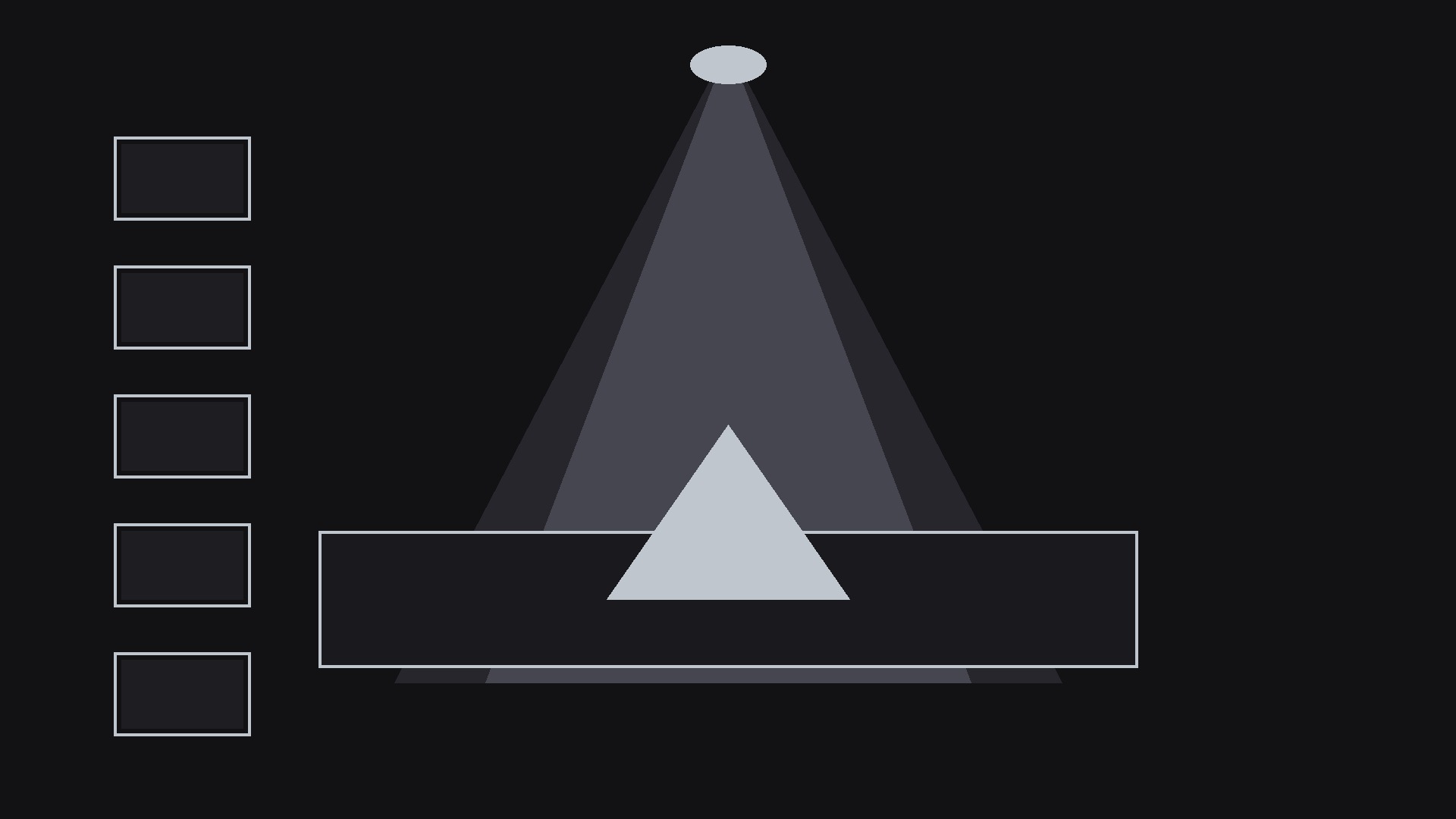
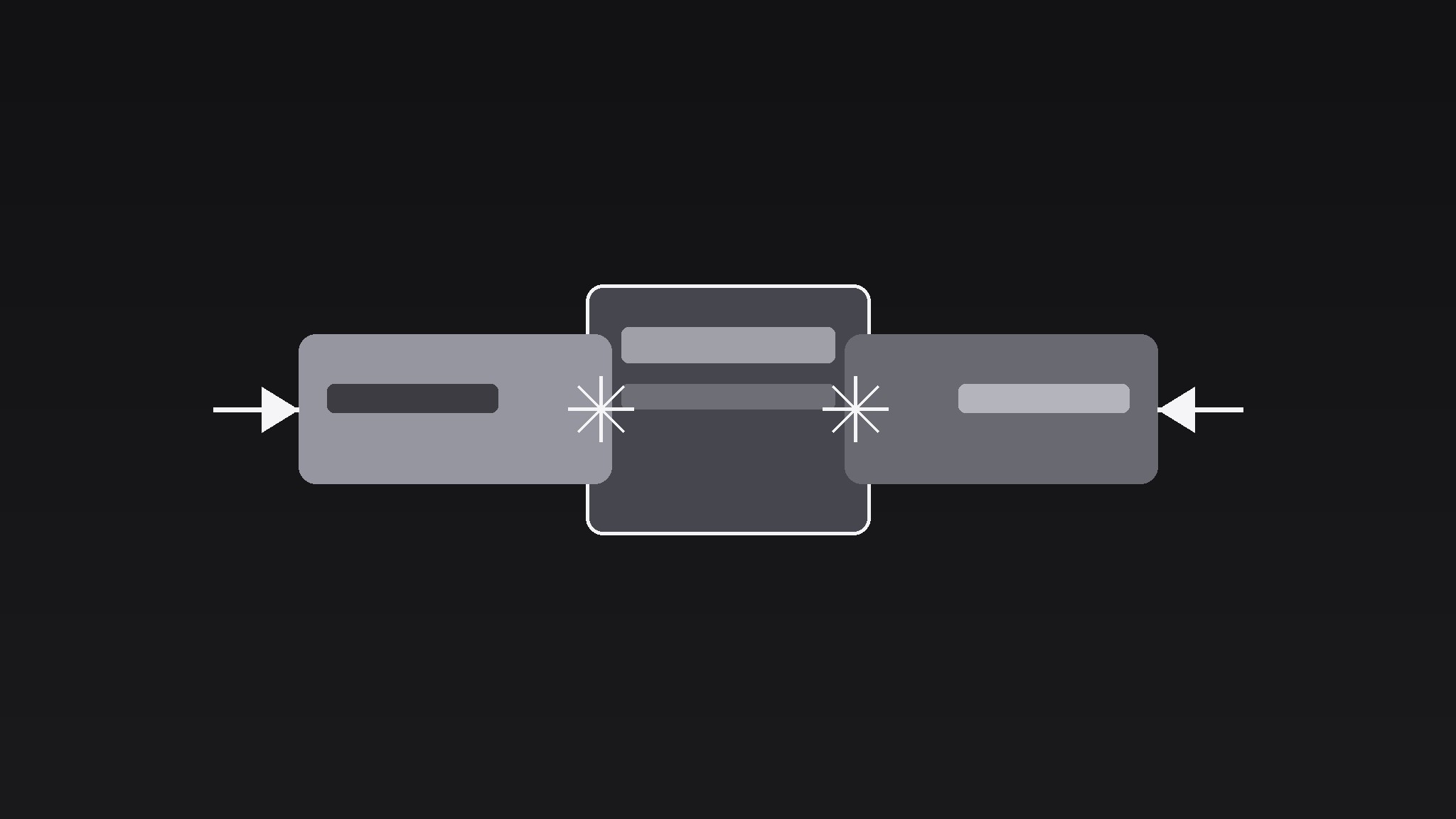
Verwandelt Ihre KI in einen Motion-Graphics-Regisseur für das Shared-Context-Conflict-Muster — setzt zwei Elemente in einen gemeinsamen Rahmen, wo sie um denselben Slot konkurrieren, und animiert ihre Kollision, sodass ein Trade-off oder Zusammenprall wie ein physisches Tauziehen wirkt statt wie ein Bulletpoint.
In 3 Schritten installieren
Keine Anmeldung. Keine CLI-Tools. Wählen Sie Ihre AI, kopieren Sie eine Zeile und fügen Sie sie ein.
Lieber selbst machen? Kaufen Sie den Skill ($4.99), laden Sie die ZIP-Datei aus Ihrer Kaufbestätigung herunter, entpacken Sie sie in das oben angezeigte Verzeichnis und starten Sie Ihre AI-Sitzung neu — gleiches Ergebnis. Haben Sie ihn schon gekauft? Ihr AI-Assistent kann ihn für Sie herunterladen.
Was ist enthalten
Eine SKILL.md (die Anleitung) + eine Startvorlage. Eine Vorschau:
Shared Context Conflict
When to use
- A video explains a trade-off (speed vs quality, price vs features) and wants the tension felt, not just stated
- A comparison stages two options fighting for the same budget, screen space, or calendar slot
- A story beat shows two characters, teams, or ideas colliding over one decision
- A product video shows the old workflow and the new workflow competing for the same job
- A debate segment gives each side one shared stage instead of two separate talking heads
Workflow
- Define the shared context (input: two competing elements → output: one shared frame)
Name the single thing both sides want: one budget line, one screen slot, one headline, one afternoon, one job. Draw that shared context as one container — a single box, slot, timeline block, or stage — dead centre, taking ~40–50% of frame width. Both elements must visibly want the same container; if each side gets its own box, there is no conflict, just a comparison. Label the container in ≤4 words ("This week's budget", "The hero slot", "Friday 3pm"). One container, two claimants, zero ambiguity about what is at stake. - Introduce the claimants (input: two elements → output: opposing entry)
Bring the two elements in from opposite sides over 0.6–0.8s, ease-out: Side A from the left, Side B from the right, each stopping just outside the container's edge with a 4–6% gap. Give each a distinct identity — different colour (one cool, one warm, both desaturated to ~70% so neither screams), a short label (≤3 words), and one icon or word that stands for its claim. Equal size, equal weight: the audience must not be able to tell who wins from the entrance. Hold 0.5s with both sides flanking the container — the standoff is the setup. - Stage the collision (input: standoff → output: conflict animation)
Animate the conflict over 1.2–1.8s in three micro-beats: (a) both elements push inward toward the container at once (translate 4–6% of frame width, 0.3s, ease-in) and stop short — the near-miss; (b) they recoil to their start positions (0.25s, ease-out) — the bounce-back; (c) the stronger side pushes in again, this time crossing into the container's edge and compressing the other side back by ~8% (0.5s, ease-in-out). Add a 2–3px shake to the container on the final push (two quick ±2px jolts, 0.15s total) and a brief impact accent — a 0.1s white flash at 15% opacity at the contact point, or a single low thud if the video has sound. The loser must visibly give ground: if nothing yields, there was no conflict, just choreography. - Resolve or stalemate (input: collision → output: outcome frame)
Pick the outcome before animating — the animation serves the verdict, not the other way round. Resolution: the winning element settles inside the container at full colour, the loser fades to 40% and slides back to its start position over 0.5s, ease-out. Stalemate: both elements split the container (each takes half, with a visible divider line drawing down the middle over 0.3s) and both drop to 80% brightness — the shared context survives, split. Either way, hold the outcome 1.5–2.5s with a one-line verdict (≤8 words: "Speed wins this round", "Split: mornings for focus, afternoons for calls") fading in below the container over 0.4s. - Exit clean (input: outcome frame → output: clean exit)
Exit by fading the whole composition out over 0.4s, or by zooming into the winning element (or the split container) as the next scene's opener. If the video returns to this conflict later (a recurring trade-off), keep the same container, colours, and side assignments every time — swapping sides between rounds confuses the audience about who is who.
Vorschau der Startvorlage
Shared Context Conflict — Template
One container, two claimants, one outcome.
The shared context (one container, ≤4-word label)
Container label: {e.g. "This week's budget" / "The hero slot" / "Friday 3pm"} Container width: ~40–50% of frame, dead centre What is at stake (one line): {what both sides want}
The claimants (equal size, equal weight)
Entry: opposite sides over {0.6–0.8}s, ease-out, stop {4–6}% outside container Standoff hold: 0.5s
Collision (1.2–1.8s)
Impact: container shake ±2px × 2 (0.15s) + {flash 0.1s at 15% / single low thud / none}
Outcome (pick one)
Das Skill-Paket selbst (SKILL.md + Vorlage) ist auf Englisch verfasst.