Molten Glass Landing
Eine hochwertige, glasartige Landingpage, gebaut um eine einzige Handlung.
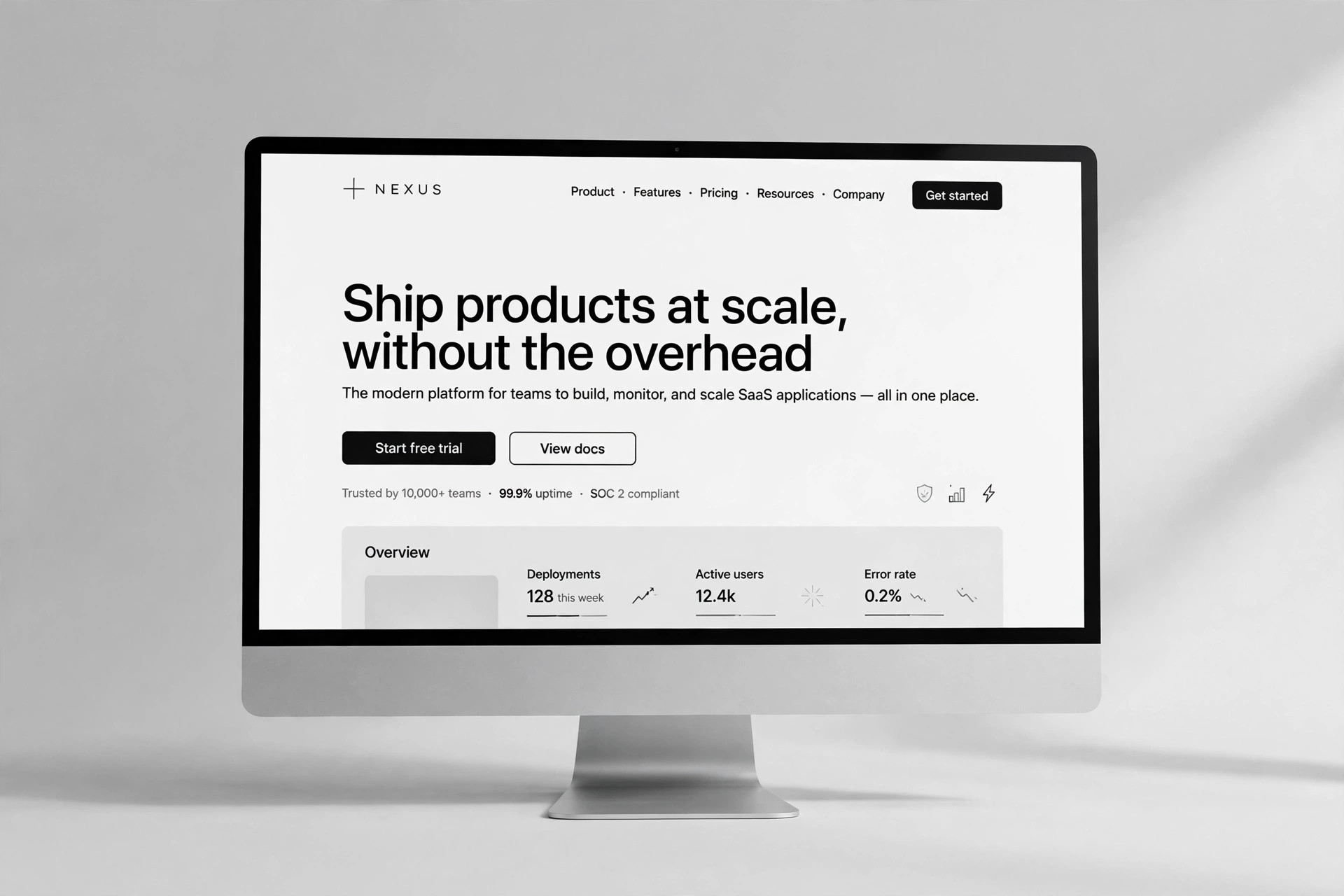
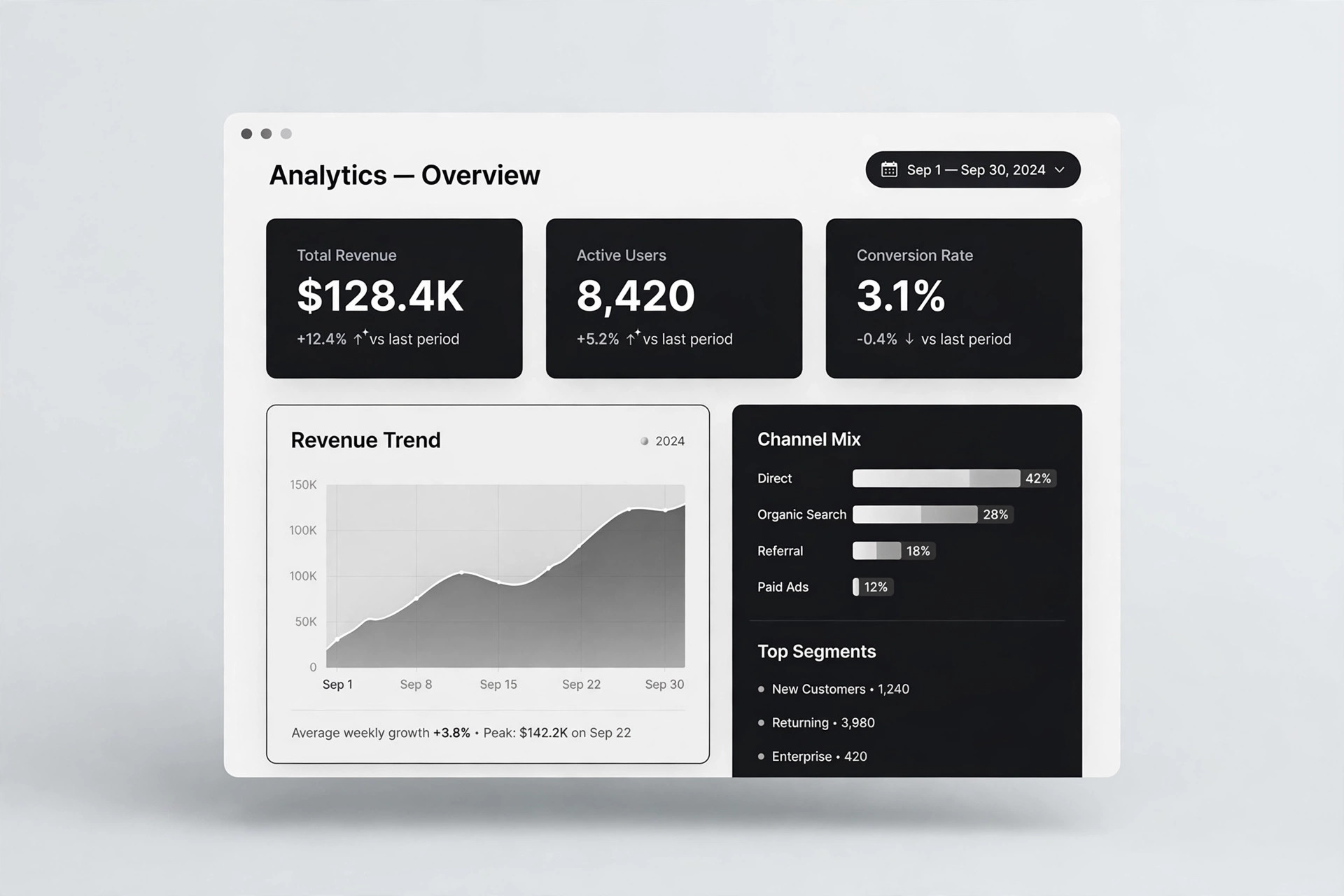
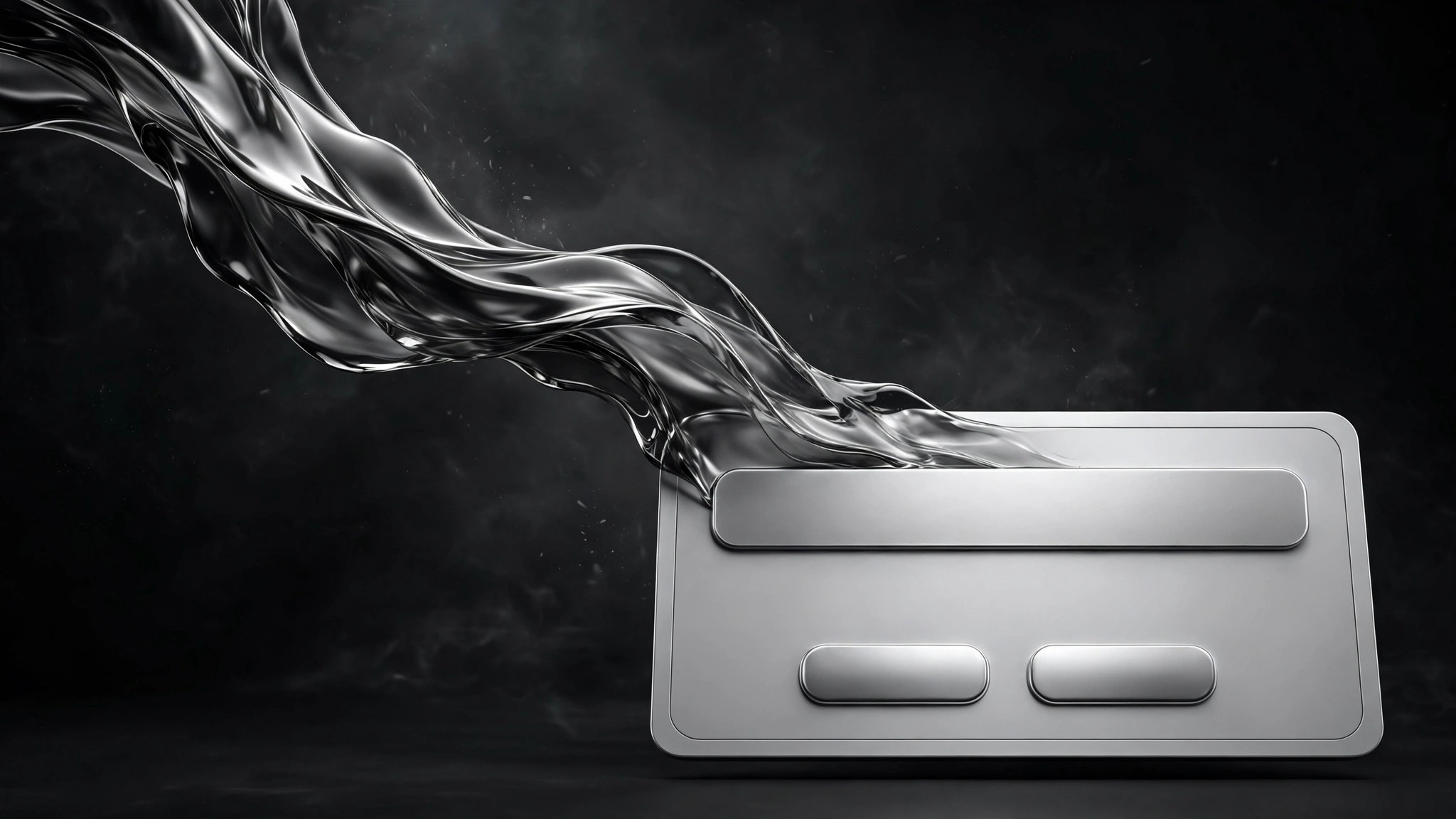
Verwandelt Ihre KI in einen Landingpage-Designer in einem visuellen System aus geschmolzenem Glas — fließende transparente Panels, warme Glas-Highlights und eine klare Handlung pro Bildschirm, sodass sich eine Produktseite hochwertig anfühlt und konvertiert.
In 3 Schritten installieren
Keine Anmeldung. Keine CLI-Tools. Wählen Sie Ihre AI, kopieren Sie eine Zeile und fügen Sie sie ein.
Lieber selbst machen? Kaufen Sie den Skill ($4.99), laden Sie die ZIP-Datei aus Ihrer Kaufbestätigung herunter, entpacken Sie sie in das oben angezeigte Verzeichnis und starten Sie Ihre AI-Sitzung neu — gleiches Ergebnis. Haben Sie ihn schon gekauft? Ihr AI-Assistent kann ihn für Sie herunterladen.
Was ist enthalten
Eine SKILL.md (die Anleitung) + eine Startvorlage. Eine Vorschau:
Molten Glass Landing
When to use
- You are launching a product and need a single page that explains it and gets sign-ups
- Your current landing page looks like a wall of text and visitors bounce before the first scroll
- You want a premium, glassy look — translucent panels, soft glows, liquid gradients — without hiring a designer
- You have one hero offer and need every section of the page to point at it
- You are A/B testing a new headline or offer and need a clean page variant fast
Workflow
- Pin down the one action (input: your offer → output: single conversion goal)
Before any design, name the one thing the page must get visitors to do: start a trial, book a demo, join a waitlist, buy. One page, one action. Write it as a verb + object: "Start a free trial." Everything that doesn't serve that action gets cut or demoted. If you have two actions, pick the primary and make the second a quiet text link. - Draft the message stack (input: conversion goal + product facts → output: headline, subhead, proof, offer)
Build the message in this order: headline (the outcome, not the feature), subhead (who it's for + how it works in one line), proof (one number, one quote, or one logo row), offer (what they get and what it costs). Keep the headline under 10 words and readable in 3 seconds. If the headline needs a paragraph to explain it, it's not a headline yet. - Lay out the glass sections (input: message stack → output: full page structure)
Structure: hero (headline + subhead + one CTA + one product visual), problem (3 pains, one line each), solution (3 features tied to outcomes), proof (testimonial or metric), offer/pricing, FAQ (the 4 objections that kill conversions), final CTA. Each section sits on a translucent molten-glass panel over a dark, flowing gradient — panels overlap slightly, highlights sit on the top-left edge, and the CTA button is the brightest element on the page. - Write the copy in place (input: page structure → output: finished copy)
Write every section to a strict budget: hero subhead ≤ 25 words, feature blocks ≤ 20 words each, FAQ answers ≤ 40 words each. Cut adjectives; keep verbs and numbers. Every button says what happens next ("Get the template", not "Submit"). Read the page aloud — if a sentence makes you pause, shorten it. - Check contrast, load, and the fold (input: finished page → output: launch-ready page)
Verify three things: the headline and CTA are visible without scrolling on a phone; body text passes contrast against the glass panels (if a panel is too transparent over a bright gradient, darken the panel, never shrink the text); and the page loads fast — compress the hero visual, keep the gradient in CSS, and don't stack five animation libraries for one glow effect.
Vorschau der Startvorlage
Molten Glass Landing — Page Template
One page, one action. Fill in the message stack first, then lay out the glass.
Conversion goal
The one action: {verb + object, e.g. Start a free trial} Audience: {who this page is for} Offer: {what they get + what it costs}
Message stack
Headline (≤ 10 words): {the outcome, not the feature} Subhead (≤ 25 words): {who it's for + how it works} Proof: {one number / one quote / logo row} Offer line: {what they get + price}
Page sections
Hero
- Headline: {headline}
- Subhead: {subhead}
- CTA button: {what happens next, e.g. Get the template}
- Hero visual: {one product visual}
Das Skill-Paket selbst (SKILL.md + Vorlage) ist auf Englisch verfasst.